CM Sukhu pays tribute to Congress worker Chandramani Kulethi
Synopsis
Himachal Pradesh Chief Minister Sukhvinder Singh Sukhu mourned Congress worker Chandramani Kulethi on 22 October 2026, hailing him as the organisation's 'true lion' and stressing that party strength flows from dedicated cadre, not office-holders.
Key Takeaways
CM Sukhvinder Singh Sukhu paid tribute to Chandramani Kulethi on 22 October 2026 via a Hindi post on X.
Sukhu described Kulethi as a 'true Babbar Sher (lion) of the organisation' who always stood at the forefront of the party's struggles.
The Chief Minister called Kulethi's passing an 'irreplaceable loss' and addressed him as a younger brother.
Sukhu used the tribute to assert that a party's real strength lies in its dedicated workers, not in positions or power.
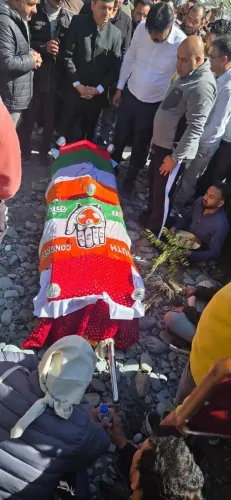
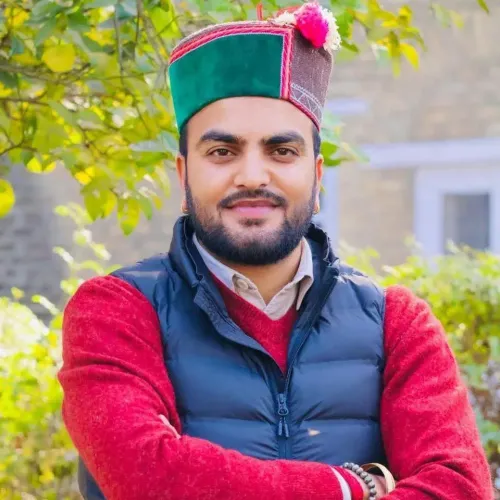
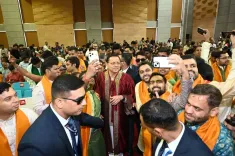
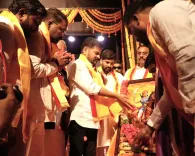
The post was accompanied by three photographs , reflecting the personal significance of the tribute.
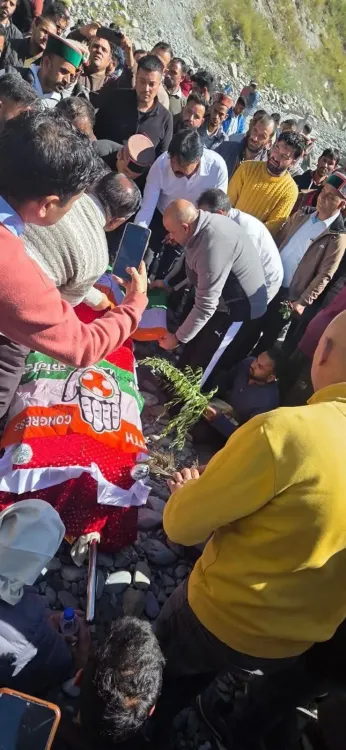
A party loses an office-bearer and mourns quietly. When it loses a tireless ground-level worker, the wound runs deeper. Himachal Pradesh Chief Minister Sukhvinder Singh Sukhu on Thursday, 22 October 2026, paid a heartfelt tribute to Chandramani Kulethi, calling him a 'true lion of the organisation' and expressing that his passing is an irreplaceable loss for the Indian National Congress.
Posting in Hindi on X, Chief Minister Sukhu wrote: 'चंद्रमणि कुलेठी जी संगठन के सच्चे बब्बर शेर थे' — 'Chandramani Kulethi was a true Babbar Sher (lion) of the organisation.' He remembered Kulethi as someone who 'always stood in the front row for the struggle, holding the party's flag high', and described his dedication, courage, and unwavering loyalty as an inspiration for every party worker.The worker who stood in the front row
Sukhu's tribute went beyond a routine farewell. He used the occasion to articulate a philosophy of organisational strength that reaches well beyond Himachal Pradesh: 'Remember, the real strength of any party is its dedicated workers. Workers are the foundation, the spine, and the true identity of the organisation.' The message was clear — power and position do not build parties. Sacrifice, labour, and devotion do.
He signed off with a deeply personal line, addressing Kulethi as a younger brother: 'Chhote bhai, you will always live in our hearts.' The words underscored a relationship that went past formal party hierarchy — a reminder that grassroots political work is built on personal bonds as much as ideology.
Why Congress tributes to cadre carry extra weight right now
Across Indian political parties, public tributes to deceased grassroots activists serve a dual purpose — they honour the individual and simultaneously signal to thousands of active workers that their unseen labour is seen and valued. For the Congress in Himachal Pradesh, a state where the party holds power under Sukhu's leadership, such affirmations carry particular organisational weight. A chief minister stepping out to personally eulogise a rank-and-file worker — not a legislator, not a minister — sends a message that travels all the way down to the booth level.
Chandramani Kulethi's specific background remains outside widely documented public records, but the scale of the Chief Minister's tribute — three photographs and a deeply worded post — points to a figure who mattered deeply within the party's local structure.
Every party's resilience is ultimately tested not in assembly chambers, but in the lanes and villages where workers like Kulethi carried the flag for years without a title. Sukhu's tribute is a reminder that those stories deserve to be told.
Point of View
Especially for a party like Congress that is rebuilding cadre loyalty in states it governs. Sukhu's tribute follows a well-established Congress pattern of affirming that booth-level workers are the backbone of electoral machinery. In Himachal Pradesh, where the party holds a slim legislative majority, keeping ground-level morale high is not merely symbolic — it is strategic. Framing Kulethi's memory around sacrifice over power also subtly reinforces Sukhu's own leadership narrative of a 'worker's man' at the helm.
NationPress
22 Oct 2026
Frequently Asked Questions
Who was Chandramani Kulethi?
Chandramani Kulethi was a dedicated grassroots worker of the Indian National Congress, described by Himachal Pradesh Chief Minister Sukhvinder Singh Sukhu as the 'true lion of the organisation' who always led the party's struggles from the front.
What did CM Sukhu say about Chandramani Kulethi?
CM Sukhu said Kulethi's dedication, courage, and unwavering loyalty to the party were an inspiration for every worker, called his death an irreplaceable loss, and addressed him personally as a younger brother.
Why did CM Sukhu emphasise the role of party workers in his tribute?
Sukhu used the tribute to stress that a party's real strength comes from its dedicated cadre — their sacrifice, hard work, and devotion — and not from positions or power, a message directed at all Congress workers.
When did CM Sukhu post the tribute for Chandramani Kulethi?
CM Sukhu posted the tribute on Thursday, 22 October 2026, on X (formerly Twitter).
What does this tribute tell us about Congress's approach in Himachal Pradesh?
A sitting Chief Minister personally eulogising a grassroots worker signals that the Congress leadership in Himachal Pradesh values cadre loyalty and is actively working to keep ground-level organisational morale high.