CM Tamil Nadu Thanks Vice-President for Greetings
Synopsis
The Chief Minister's Office of Tamil Nadu on 22 June 2026 publicly thanked the Vice-President of India for heartfelt greetings, using the formal Tamil honorific 'avargal', reflecting the state's established practice of institutional courtesy with central constitutional authorities.
Key Takeaways
The Chief Minister's Office of Tamil Nadu posted a public thank-you to the Vice-President of India on 22 June 2026 .
The post used the Tamil honorific avargal ('respected one'), consistent with formal official communication norms.
The Vice-President of India is the second-highest constitutional office and serves as ex-officio Chairman of the Rajya Sabha .
Tamil Nadu has maintained inter-governmental courtesy with central authorities even amid political differences over devolution and education policy.
The specific occasion prompting the Vice-President's original greetings has not been publicly disclosed.
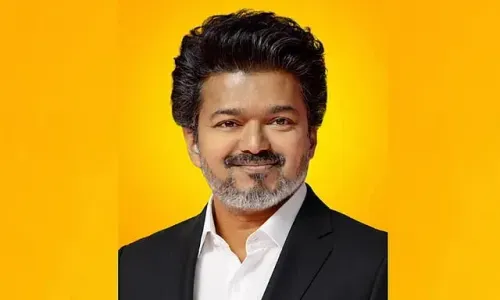
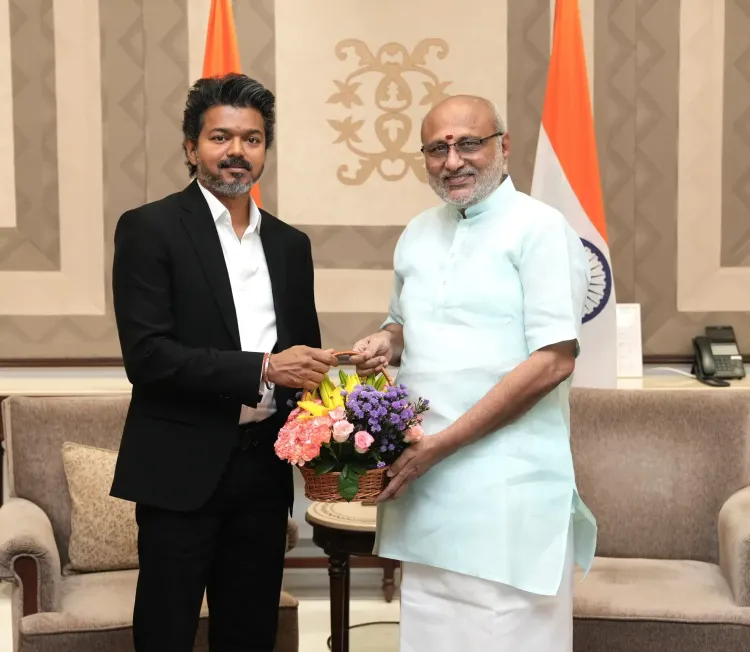
The Chief Minister's Office of Tamil Nadu on Monday, 22 June 2026 publicly acknowledged greetings received from the Vice-President of India, expressing gratitude in a post on X that underscored the continued institutional courtesy between the state and central governments.
The post read: 'Thank you for your heartfelt greetings Hon'ble Vice-President of India avargal.' The Tamil honorific avargal — broadly meaning 'respected one' — reflects the formal register typically used in official Tamil Nadu communications when addressing senior constitutional figures.
Context
Exchanges of greetings between the Vice-President of India and state Chief Ministers are a standard feature of India's federal protocol architecture. Such communications occur on occasions ranging from state formation anniversaries and national festivals to personal milestones, and are considered part of routine inter-governmental courtesy. The Chief Minister's Office of Tamil Nadu, representing Chief Minister M.K. Stalin and the Dravida Munnetra Kazhagam (DMK)-led state government, chose to publicly acknowledge the gesture on social media, signalling institutional regard for the constitutional office.Policy Backdrop
The Tamil Nadu government has historically maintained formal channels of communication with central constitutional authorities even when political differences — particularly over fiscal devolution, language policy, and the National Eligibility cum Entrance Test (NEET) — have created friction between Chennai and New Delhi. The Vice-President, as the ex-officio Chairman of the Rajya Sabha, occupies a role that intersects with state interests on legislative matters. Maintaining decorum with that office is therefore as much a political calculation as it is a constitutional obligation.Stakeholders and Impact
The primary stakeholders in this exchange are the constitutional offices of the Vice-President of India and the Chief Minister of Tamil Nadu, along with state officials and central functionaries who manage inter-governmental relations. While the immediate impact of a courtesy exchange is limited, such public acknowledgements contribute to the broader diplomatic texture of centre-state relations. For Tamil Nadu, which has often positioned itself as a strong voice for state autonomy within the Indian federal system, visible cordiality with the Vice-President's office serves as a reminder that institutional respect and political disagreement can coexist.What's Next
Observers will watch for any planned visits by the Vice-President to Tamil Nadu, or for coordinated statements between the two offices on federal policy questions such as tax-share devolution or education reform. The nature of the occasion that prompted the original greetings from the Vice-President has not been disclosed publicly, and further clarity may emerge through official statements in the coming days.Point of View
Even as it pursues an assertive stance on centre-state issues like fiscal devolution and NEET. Choosing to respond on a public platform rather than through private channels suggests the CMO sees value in demonstrating institutional maturity to a national audience. This pattern of visible cordiality with New Delhi's constitutional offices is likely to continue as Tamil Nadu navigates its dual role as a regional power centre and a key player in national coalition politics.
NationPress
22 Jun 2026
Frequently Asked Questions
Why did the Tamil Nadu CMO thank the Vice-President of India?
The Chief Minister's Office of Tamil Nadu thanked the Vice-President of India for sending heartfelt greetings, as publicly stated in a post on X on 22 June 2026. The specific occasion for the Vice-President's greetings has not been disclosed.
What does 'avargal' mean in the Tamil Nadu CMO's post?
'Avargal' is a Tamil honorific broadly meaning 'respected one' or 'their esteemed self.' It is commonly used in formal Tamil communications to address senior figures with respect.
Who is the Chief Minister of Tamil Nadu in 2026?
M.K. Stalin of the Dravida Munnetra Kazhagam (DMK) has been Chief Minister of Tamil Nadu since May 2021. The Chief Minister's Office posts on X on behalf of his administration.
What is the role of the Vice-President of India?
The Vice-President of India is the second-highest constitutional office in the country, elected for a five-year term. The Vice-President also serves as the ex-officio Chairman of the Rajya Sabha, India's upper house of Parliament.
Do Tamil Nadu and the central government maintain good relations despite political differences?
Tamil Nadu governments have historically maintained formal institutional courtesy with central constitutional authorities, including the Vice-President, even when political disagreements exist on issues like fiscal devolution, language policy, and education reform.