CM Joseph Vijay Meets Tamil Nadu Information Commissioners
Synopsis
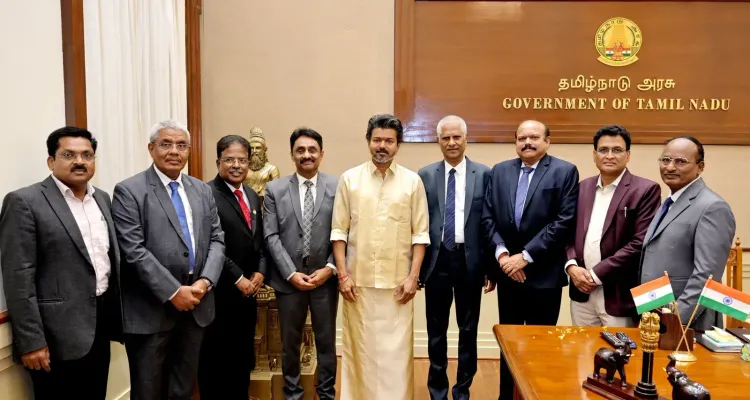
Tamil Nadu Chief Minister C. Joseph Vijay met State Chief Information Commissioner Mohammed Shakeel Akhtar and seven State Information Commissioners at the Secretariat on 29 May 2026, signalling executive attention to the state's RTI accountability framework.
Key Takeaways
Joseph Vijay held a formal meeting with the Tamil Nadu State Information Commission on 29 May 2026 at the Secretariat in Chennai.
The full bench of eight commissioners — including Chief Information Commissioner Mohammed Shakeel Akhtar (IAS, Retd.) — attended the meeting.
The Tamil Nadu State Information Commission is a statutory body established under the Right to Information Act, 2005 to adjudicate second appeals and complaints from citizens.
Three of the eight commissioners are retired IAS officers , reflecting the convention of appointing senior civil servants to quasi-judicial transparency roles.
The meeting signals executive-level focus on RTI case disposal, pendency reduction , and potential digital portal upgrades.
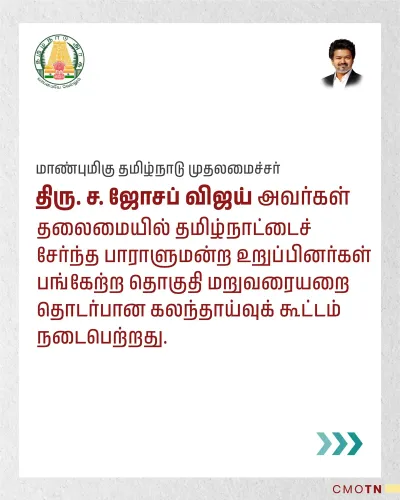
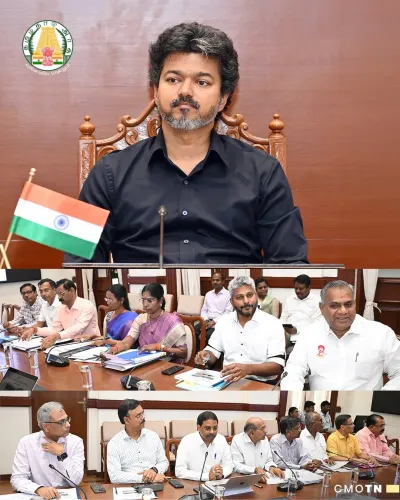
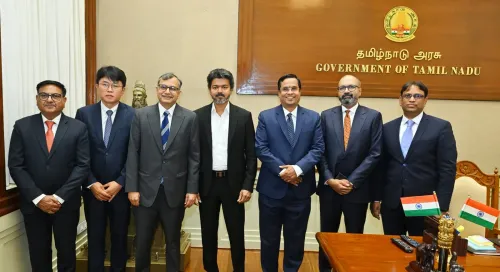
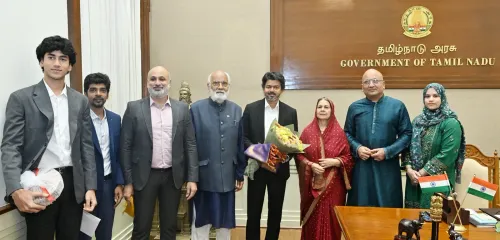
The Chief Minister's Office of Tamil Nadu announced on Friday, 29 May 2026 that Chief Minister C. Joseph Vijay received the State's Information Commission leadership at the Secretariat in Chennai, in a formal courtesy-and-review meeting that brought together the State Chief Information Commissioner and seven State Information Commissioners.
Context
The meeting, held at the Tamil Nadu Secretariat (Talamai Cheyal agam), was attended by State Chief Information Commissioner Mohammed Shakeel Akhtar (IAS, Retd.), alongside State Information Commissioners Abhay Kumar Singh (IAS, Retd.), P. Thamaraikannan (IAS, Retd.), R. Priyakumar, K. Thirumalaimuthu, V.P. Elamparithi, M. Nadesan, and A. Vijayaram. The delegation represents the full complement of the statutory body that adjudicates second appeals and complaints under the Right to Information Act, 2005.
Policy Backdrop
The Right to Information Act, 2005 — a landmark central legislation — mandates the creation of State Information Commissions in every state to enforce transparency obligations on public authorities. Citizens denied information by government departments can escalate to the Commission as a second appellate authority, making the body a critical pillar of administrative accountability. Tamil Nadu administrations have maintained routine engagement with the Commission to review case disposal rates and address pendency, consistent with the RTI framework's emphasis on accountability.
The Commission's workload has grown steadily across Indian states as awareness of RTI rights has expanded among citizens. Meetings between a Chief Minister and the Information Commission are significant because they signal executive-level attention to transparency infrastructure — a function that operates independently of, but in coordination with, the broader government machinery.
Stakeholders and Impact
The primary stakeholders in the Commission's functioning are RTI applicants — ordinary citizens, journalists, activists, and researchers — who depend on timely disposal of appeals to access public records. State government departments are the respondent authorities, and their compliance rates directly affect the Commission's pendency figures. A direct meeting between the Chief Minister and the Commission's full bench can accelerate policy decisions on staffing, digital infrastructure, and case-management reforms.
The presence of three retired IAS officers among the commissioners reflects the convention of appointing senior civil servants with administrative experience to these quasi-judicial roles, bringing institutional knowledge of government functioning to the adjudication process.
What's Next
Attention will now turn to whether the meeting yields concrete directives — such as upgrades to the Tamil Nadu RTI digital portal, enhanced staffing at the Commission, or targets for reducing appeal pendency. The Commission's next annual report, detailing disposal statistics and systemic recommendations, will be a key indicator of the outcomes from this engagement. Sustained executive engagement with the Information Commission is widely regarded as a marker of a government's commitment to the transparency architecture envisioned by the RTI Act.
Point of View
At a time when RTI pendency and digital access have become measurable benchmarks of administrative performance across India. Whether this translates into structural reforms — faster case disposal, portal modernisation, or stronger compliance from departments — will be the real test. The optics of the meeting are strong; the policy follow-through will determine its legacy.
NationPress
16 Oct 2026
Frequently Asked Questions
Who is the Tamil Nadu State Chief Information Commissioner in 2026?
According to the Chief Minister's Office of Tamil Nadu, Mohammed Shakeel Akhtar (IAS, Retd.) is serving as the State Chief Information Commissioner as of May 2026.
What is the Tamil Nadu State Information Commission?
The Tamil Nadu State Information Commission is a statutory body created under the Right to Information Act, 2005 . It hears second appeals and complaints from citizens who have been denied information by state government departments.
Why did CM Joseph Vijay meet the Information Commissioners?
The Chief Minister's Office announced the meeting as a formal interaction at the Secretariat on 29 May 2026 , consistent with routine executive engagement with the Commission to review its functioning and address transparency governance.
How many State Information Commissioners does Tamil Nadu have?
Based on the CMO's announcement, Tamil Nadu currently has one State Chief Information Commissioner and seven State Information Commissioners , forming the full bench of the Commission.
What is the Right to Information Act and how does it relate to Tamil Nadu?
The Right to Information Act, 2005 is a central legislation that obliges public authorities to provide information to citizens on request. It mandates each state to establish a State Information Commission — Tamil Nadu's body handles second appeals when citizens are denied information by state departments.