CM Vijay Chairs Review of Animal Husbandry Schemes in TN
Synopsis
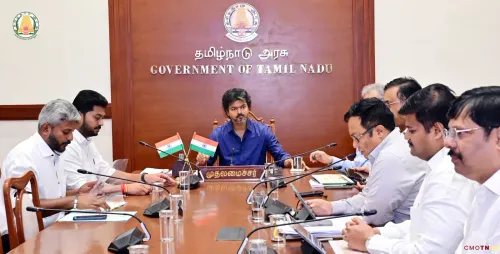
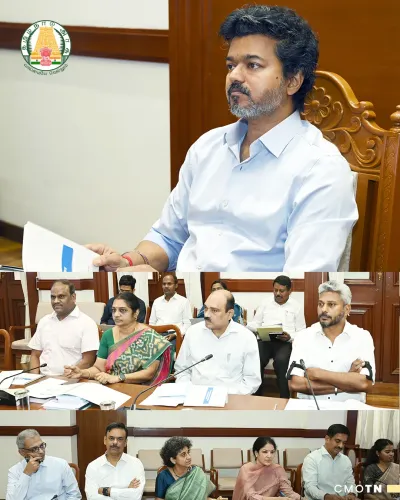
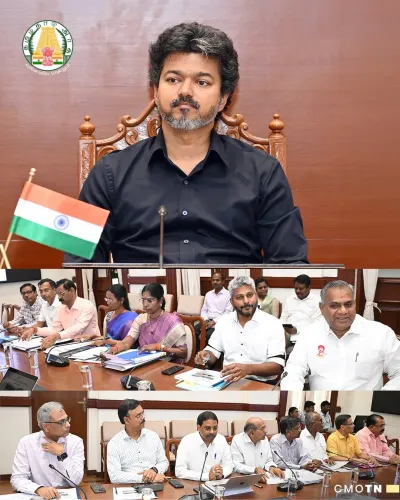
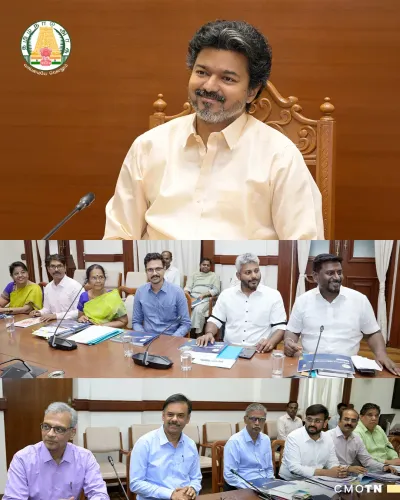
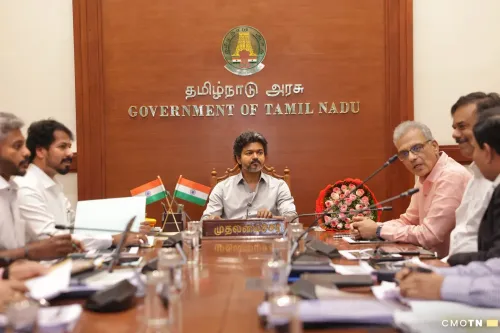
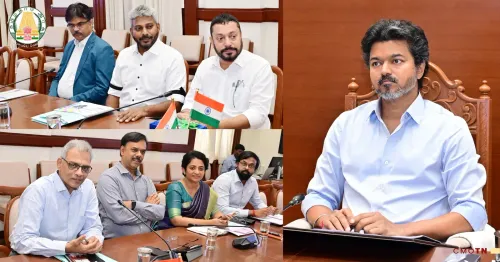
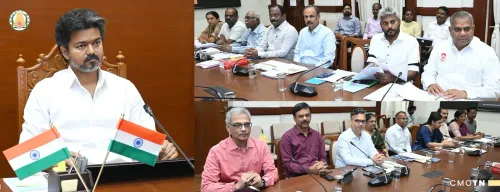
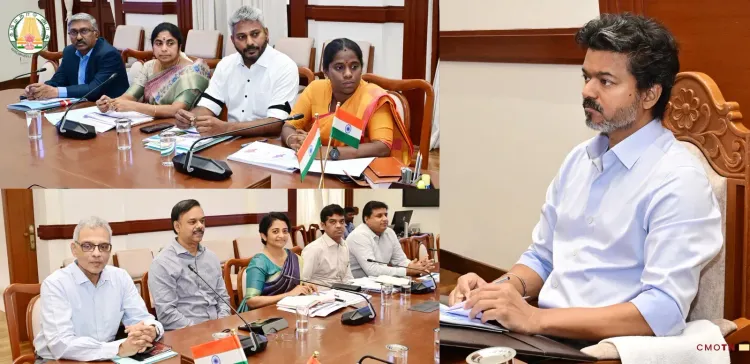
Chief Minister C. Joseph Vijay on 14 July 2026 chaired a review meeting at the Tamil Nadu Secretariat to assess the plans and operations of the Animal Husbandry and Dairy Development Department, signalling active state oversight of rural dairy and livestock schemes.
Key Takeaways
Joseph Vijay chaired the meeting on 14 July 2026 at the Tamil Nadu Secretariat in Chennai .
The review focused on the programmes and operations of the Animal Husbandry and Dairy Development Department .
The department oversees veterinary services, livestock breeding, milk production schemes and fodder development across the state.
The primary stakeholders are dairy farmers and rural livestock owners across Tamil Nadu.
Such chief ministerial reviews are part of established administrative practice for monitoring rural economy scheme implementation.
Any scheme modifications or new allocations arising from the review are expected to be announced through subsequent official communications.
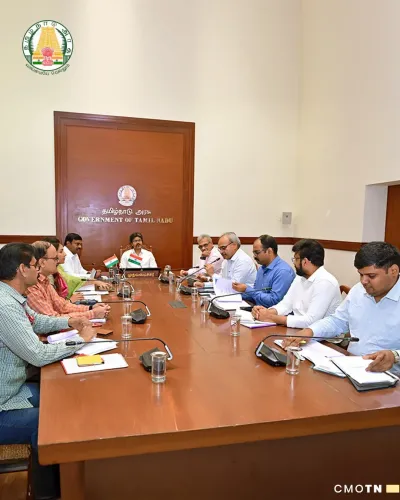
The Chief Minister's Office of Tamil Nadu announced on Tuesday, 14 July 2026 that Chief Minister C. Joseph Vijay chaired a review meeting at the Secretariat in Chennai to assess the programmes and operations of the state's Animal Husbandry and Dairy Development Department.
The official post stated: 'மாண்புமிகு தமிழ்நாடு முதலமைச்சர் திரு.ச.ஜோசப் விஜய் அவர்கள் தலைமையில் இன்று (14.7.2026) தலைமைச் செயலகத்தில், கால்நடை பராமரிப்பு மற்றும் பால்வளத் துறையின் திட்டங்கள் மற்றும் செயல்பாடுகள் குறித்த ஆய்வுக்கூட்டம் நடைபெற்றது.' — translated: 'Under the leadership of the Honourable Chief Minister of Tamil Nadu, Mr C. Joseph Vijay, a review meeting on the plans and operations of the Animal Husbandry and Dairy Development Department was held today (14.7.2026) at the Secretariat.'
Context
The meeting was convened at the Tamil Nadu Secretariat in Chennai, the administrative nerve centre of the state government. Such chief ministerial review sessions are a standard mechanism through which the state tracks the on-ground implementation of sector-specific schemes, particularly those touching rural livelihoods.
The Animal Husbandry and Dairy Development Department oversees a wide mandate — from veterinary services and livestock breeding programmes to government-backed milk production and fodder development initiatives that directly affect the rural economy.
Policy Backdrop
Tamil Nadu has a long history of state-led interventions in the dairy sector, including free distribution of milch animals to eligible rural households and support for cooperative milk societies. These programmes have been periodically expanded and reviewed across successive administrations as part of the state's broader rural economy strategy.
The dairy sector functions alongside agriculture and fisheries as one of the key pillars of rural income support in the state. Periodic oversight meetings at the chief ministerial level are an established administrative pattern for monitoring scheme productivity and delivery targets.
Stakeholders and Impact
The primary beneficiaries of the department's programmes are dairy farmers and livestock owners spread across Tamil Nadu's rural districts. Cooperative milk societies and veterinary field staff are also key stakeholders in the implementation chain.
A high-level review of this nature signals the government's intent to track whether ongoing schemes are meeting their targets, and can precede decisions on reallocating resources or scaling up successful interventions.
What's Next
Following such review meetings, state governments typically issue follow-up directives to department officials or announce modifications to existing schemes based on performance data presented during the session. Any new allocations, scheme expansions, or corrective measures discussed in today's meeting are expected to be communicated through subsequent official announcements.
Observers of Tamil Nadu's rural economy policy will watch for any formal orders or budget realignments that may emerge from CM Vijay's review, particularly those relating to dairy cooperative strengthening and livestock health infrastructure.
Point of View
Where periodic high-level oversight is used to course-correct rural economy schemes before they drift off target. The dairy sector, supporting millions of rural households through cooperatives and state-backed livestock programmes, has historically been a politically sensitive portfolio in the state. For CM Vijay, convening such a meeting early in the administrative calendar signals an intent to establish direct oversight over departments with large rural footprints. The outcomes of this review — particularly any scheme expansions or resource realignments — will be a useful early indicator of the administration's rural policy priorities.
NationPress
13 Oct 2026
Frequently Asked Questions
What was the review meeting chaired by CM Joseph Vijay about?
CM C. Joseph Vijay chaired a review meeting on 14 July 2026 at the Tamil Nadu Secretariat to assess the plans and operations of the Animal Husbandry and Dairy Development Department, covering livestock management, veterinary services and dairy schemes.
Where was the Tamil Nadu Animal Husbandry review meeting held?
The meeting was held at the Tamil Nadu Secretariat in Chennai, the main administrative headquarters of the state government.
What does the Tamil Nadu Animal Husbandry and Dairy Development Department do?
The department manages veterinary services, livestock breeding programmes, milk production schemes and fodder development initiatives, primarily benefiting dairy farmers and rural livestock owners across Tamil Nadu.
Who are the main beneficiaries of Tamil Nadu dairy development schemes?
Dairy farmers and rural livestock owners are the primary beneficiaries, along with cooperative milk societies that form a key part of the state's rural income support network.
What could follow the CM's review of the dairy department?
Following such reviews, the state government may issue new directives, announce scheme modifications, or reallocate resources based on performance data; formal orders are expected through subsequent official announcements.