CM Mohan Yadav Reviews Kisan Kalyan Varsh-2026 Activities
Synopsis
Madhya Pradesh CM Dr. Mohan Yadav chaired a review of Kisan Kalyan Varsh-2026 on 3 July 2026, directing officials to cut farming costs, raise incomes, and promote organic and low-water crop cultivation through mission-mode implementation of state schemes.
Key Takeaways
Mohan Yadav reviewed Kisan Kalyan Varsh-2026 activities at the state secretariat on 3 July 2026 .
Officials were directed to implement all farmer welfare schemes in mission mode to reduce cultivation costs and raise farm incomes.
The Chief Minister called for direct outreach to eligible farmers to maximise enrolment in government schemes.
Promotion of low-water crops , natural farming, and organic farming was identified as a priority under the initiative.
The push aligns with the national goal of doubling farmers' income and builds on central schemes such as PM-KISAN and Paramparagat Krishi Vikas Yojana .
Madhya Pradesh is one of India's largest agrarian states, making the scale of implementation a critical test for the initiative.
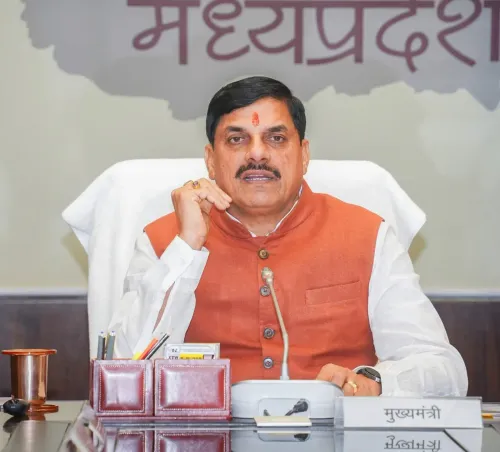
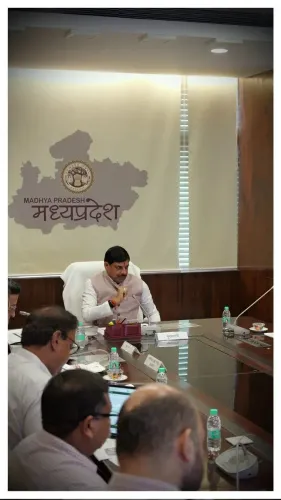
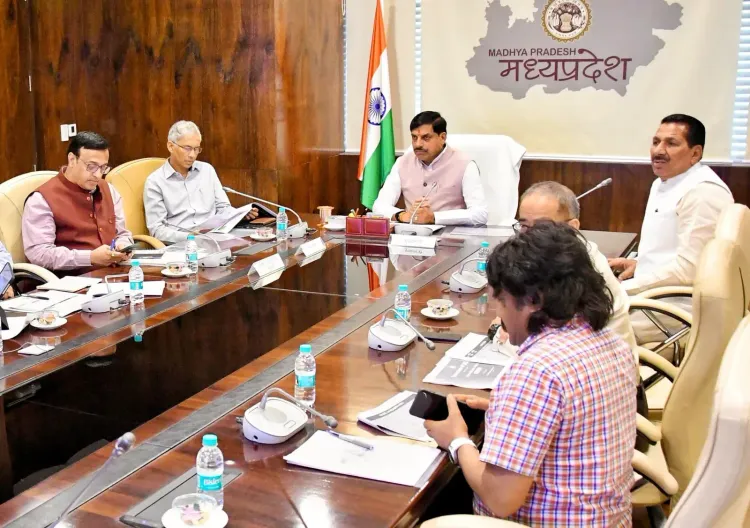
Madhya Pradesh Chief Minister Dr. Mohan Yadav on Friday, 3 July 2026, chaired a review meeting at the state secretariat to assess the progress of activities being carried out under Kisan Kalyan Varsh-2026, the state's flagship farmer welfare initiative. He issued directives to senior officials to ensure mission-mode implementation of all schemes aimed at reducing cultivation costs, raising farm incomes, and making agriculture more profitable for cultivators across Madhya Pradesh.
Context
Posting on X, Dr. Yadav stated — 'खेती की लागत कम करने, किसानों की आय बढ़ाने एवं कृषि को अधिक लाभकारी बनाने के लिए सभी योजनाओं का मिशन मोड में प्रभावी क्रियान्वयन सुनिश्चित किया जाए' — ('All schemes must be implemented effectively in mission mode to reduce farming costs, increase farmers' income, and make agriculture more profitable'). He also directed officials to reach out directly to eligible farmers and connect them to government schemes. The Chief Minister specifically called for promoting low-water crops, natural farming, and organic farming as priority areas under the initiative.
Policy Backdrop
The Kisan Kalyan Varsh-2026 initiative sits within a broader national policy arc that dates to the central government's 2016 mission to double farmers' income by focusing on cost reduction and sustainable practices. Madhya Pradesh has historically aligned its state agricultural programmes with central frameworks, including the Paramparagat Krishi Vikas Yojana — introduced in 2015 — which promoted cluster-based organic farming across states. The state has also integrated farmer outreach with centrally sponsored schemes such as PM-KISAN to ensure direct benefit transfers reach eligible cultivators.
Indian states have increasingly pivoted towards climate-resilient agriculture, driven by concerns over groundwater depletion and rising input costs. The emphasis on low-water crops and natural farming in Dr. Yadav's directives reflects this nationwide trend, while grounding it in a state-specific implementation framework.
Stakeholders and Impact
The primary beneficiaries of the initiative are small and marginal farmers across Madhya Pradesh, one of India's largest agrarian states. Officials at the state agriculture department are now tasked with direct, ground-level communication with eligible cultivators to maximise scheme enrolment and coverage. The push toward organic and natural farming also has downstream implications for soil health, input subsidy budgets, and the state's agricultural export potential.
By instructing officials to use 'direct dialogue' — 'सीधे संवाद' — with farmers, Dr. Yadav signalled a shift from passive scheme availability to active outreach, a model that has shown higher enrolment outcomes in comparable state programmes elsewhere in India.
What's Next
Quarterly implementation reports on scheme coverage and any new guidelines for organic certification or crop diversification in Madhya Pradesh will be key indicators of how effectively the Kisan Kalyan Varsh-2026 directives translate into on-ground change. The state administration's ability to link maximum eligible farmers to existing central and state schemes before the end of the calendar year will serve as a concrete benchmark for the initiative's success. Analysts and farm advocacy groups will watch whether the organic and low-water crop push is backed by dedicated budgetary allocations in the coming months.
Point of View
Time-bound campaigns — particularly as elections and agrarian distress remain politically sensitive. The explicit call for direct official-to-farmer dialogue suggests an acknowledgement that scheme awareness and enrolment gaps remain a persistent implementation failure. The emphasis on organic and low-water farming also positions Madhya Pradesh within a broader national narrative around climate-resilient agriculture, which carries both genuine policy merit and visible optics value. Whether the Kisan Kalyan Varsh-2026 framework produces measurable outcomes will depend on whether these directives are matched with budgetary commitment and accountability mechanisms.
NationPress
2 Oct 2026
Frequently Asked Questions
What is Kisan Kalyan Varsh-2026 in Madhya Pradesh?
Kisan Kalyan Varsh-2026 is a Madhya Pradesh state initiative focused on farmer welfare, involving the review and implementation of schemes aimed at reducing cultivation costs, increasing farm incomes, and promoting sustainable agricultural practices such as organic and natural farming.
What did CM Mohan Yadav announce for farmers on 3 July 2026?
On 3 July 2026, CM Dr. Mohan Yadav chaired a review meeting on Kisan Kalyan Varsh-2026 and directed officials to implement all farmer welfare schemes in mission mode, conduct direct outreach to eligible cultivators, and promote low-water crops and organic farming.
How does Kisan Kalyan Varsh-2026 relate to PM-KISAN?
Madhya Pradesh has historically linked state farmer welfare programmes with central schemes like PM-KISAN to ensure direct benefit transfers reach eligible farmers. The Kisan Kalyan Varsh-2026 review reinforces this approach by directing officials to connect more eligible cultivators to both state and central schemes.
Why is Madhya Pradesh promoting organic and natural farming?
Madhya Pradesh is promoting organic and natural farming as part of a broader national trend toward climate-resilient agriculture, driven by concerns over groundwater depletion and rising input costs. The state has aligned with central frameworks like the Paramparagat Krishi Vikas Yojana since 2015.
What are low-water crops and why is Madhya Pradesh encouraging them?
Low-water crops are varieties that require significantly less irrigation than conventional crops, making them suitable for water-scarce regions. Madhya Pradesh is encouraging their cultivation to address groundwater depletion, reduce input costs for farmers, and build long-term agricultural resilience.