CM Yogi Urges UP Residents to Plant Trees, Spread Green Drive
Synopsis
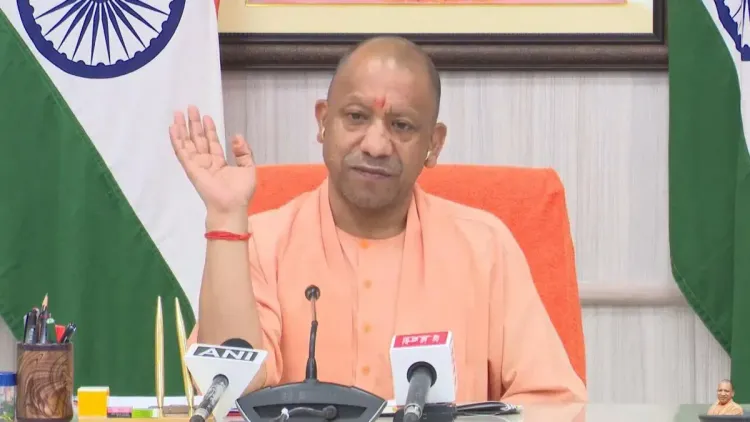
Uttar Pradesh Chief Minister Yogi Adityanath has called on residents to plant trees and encourage others to do the same, posting a video appeal on 6 July 2026 during the peak monsoon plantation season. The message revives the state's citizen-led afforestation push amid persistent concerns over declining green cover in one of India's most populous states.
Key Takeaways
Chief Minister Yogi Adityanath posted a tree-planting appeal on 6 July 2026 , urging citizens to plant trees and motivate others to do the same.
The post included a video , targeting a broad mobile-first audience across Uttar Pradesh .
The appeal aligns with the annual Van Mahotsav tradition, a national afforestation programme observed since 1950 .
The Uttar Pradesh Forest Department combines official plantation targets with social-media campaigns to expand participation beyond government departments.
Key beneficiaries include rural communities , urban residents and farmers , for whom tree planting carries both environmental and economic value.
The monsoon months of July and August represent the most favourable window for large-scale sapling planting in the state.
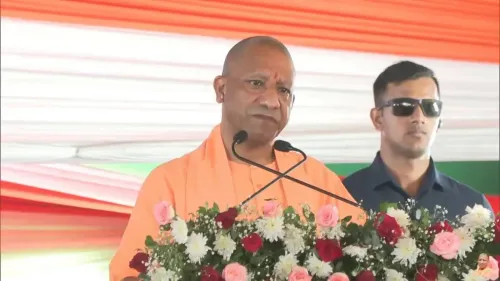
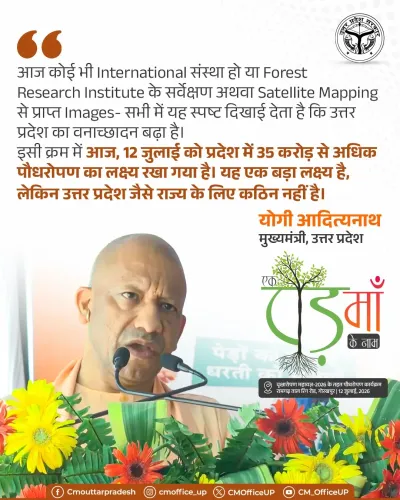
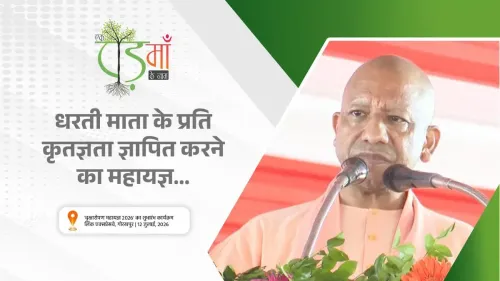
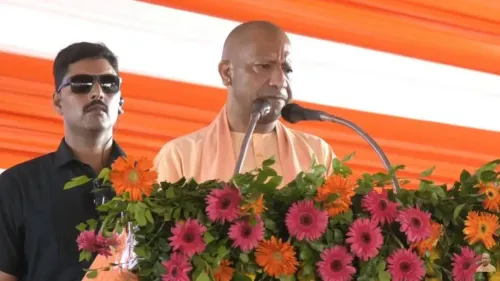
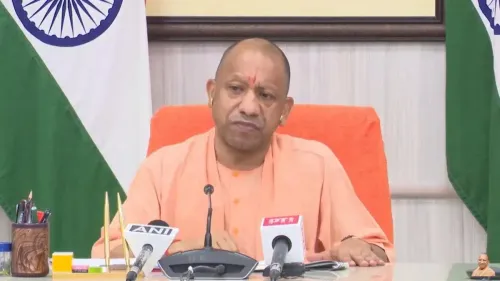
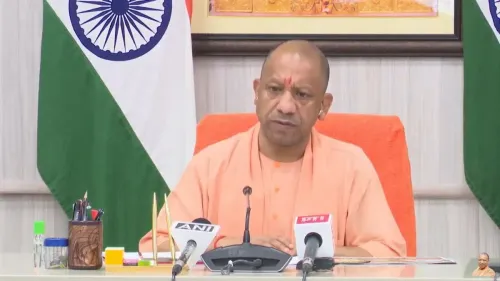
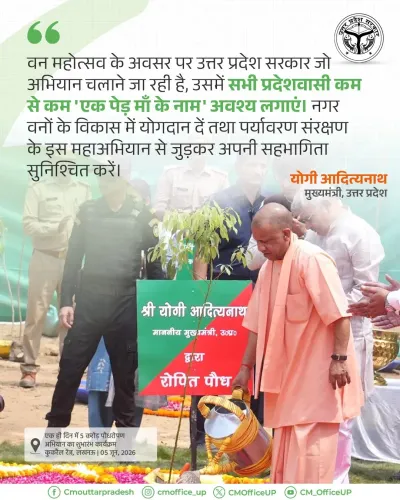
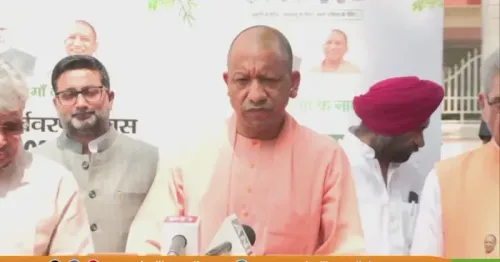
Uttar Pradesh Chief Minister Yogi Adityanath on Monday, 6 July 2026 called on residents of the state to plant trees and encourage others to do the same, posting a brief but pointed appeal on his official X account. The message — 'Paudhe lagaen, doosron se bhi lagvaen' ['Plant trees, get others to plant them too'] — accompanied a video, signalling a fresh push for citizen-led afforestation ahead of the peak monsoon plantation season.
Context
The post arrives at a moment when Uttar Pradesh typically sees its highest tree-planting activity, as the monsoon months of July and August offer the most favourable conditions for saplings to take root. Chief Minister Adityanath has consistently used social media to mobilise public participation in state development initiatives, and environment drives are a recurring feature of that outreach. The appeal is directed not just at individuals but carries an implicit call to action — each citizen is expected to become an ambassador, nudging family, neighbours and communities to participate.
Policy Backdrop
The call echoes the spirit of the Van Mahotsav programme, a national afforestation initiative launched in 1950 that has been observed annually across Uttar Pradesh through large-scale public tree-planting events. The Uttar Pradesh Forest Department has long combined official plantation targets with grassroots mobilisation, recognising that government departments alone cannot achieve the scale of green cover the state requires. Successive administrations in Lucknow have set ambitious targets for increasing forest and tree cover, with social-media campaigns increasingly used as a low-cost, high-reach supplement to on-ground drives.
Declining forest cover and environmental degradation remain pressing concerns in Uttar Pradesh, one of India's most densely populated states. Urban sprawl, agricultural expansion and industrial activity have put pressure on green spaces, making citizen participation in afforestation more consequential than ever.
Stakeholders and Impact
The appeal is broad in its reach, touching rural communities, urban residents and farmers alike. For farmers, roadside and field-boundary planting can provide shade, prevent soil erosion and eventually yield timber or fruit — making the environmental ask economically rational. Urban residents in cities such as Lucknow, Kanpur and Varanasi are increasingly aware of heat-island effects and poor air quality, giving the message added resonance in metropolitan areas. The video element of the post suggests the administration is targeting a wide, mobile-first audience beyond those who read text-heavy policy communications.
The multiplier framing — plant a tree and get others to do so — is a deliberate strategy to create a social cascade, transforming a top-down government directive into a peer-driven movement. Community leaders, school teachers, resident welfare associations and panchayat members are natural amplifiers of such a message.
What's Next
The scale of public participation during this monsoon 2026 plantation season will be a key indicator of how effectively the appeal translates into ground-level action. Any revised state forest-cover targets announced in upcoming environment department statements or budget documents will offer a clearer picture of the administration's longer-term ambitions. As Uttar Pradesh works to balance rapid urbanisation with environmental sustainability, the Chief Minister's consistent personal engagement on green issues signals that afforestation will remain a visible plank of the state's public policy narrative.
Point of View
Essentially deputising every follower as a local mobiliser. Within the broader arc of the Uttar Pradesh government's environment agenda, this kind of periodic, high-visibility signal from the top serves to keep afforestation in the public conversation between formal policy announcements. It also positions the Chief Minister as personally invested in a cause that enjoys cross-partisan public support, reinforcing a governance image that goes beyond law-and-order optics.
NationPress
5 Oct 2026
Frequently Asked Questions
What did CM Yogi Adityanath say in his tree-planting post?
CM Yogi Adityanath posted on 6 July 2026 urging people to plant trees and encourage others around them to do the same, with the Hindi message translating to 'Plant trees, get others to plant them too.'
Why is July important for tree planting in Uttar Pradesh?
July marks the onset of the monsoon season, which provides the most favourable soil moisture and rainfall conditions for saplings to establish themselves, making it the peak period for plantation drives across Uttar Pradesh.
What is Van Mahotsav and how does it relate to this appeal?
Van Mahotsav is a national tree-planting festival launched in 1950 and observed annually across India. Uttar Pradesh governments have long used it as a platform for large-scale public afforestation events, and CM Yogi's appeal is consistent with that tradition.
What is the Uttar Pradesh Forest Department's role in afforestation?
The Uttar Pradesh Forest Department is the state agency responsible for implementing afforestation programmes, setting plantation targets and coordinating green-cover initiatives. It increasingly pairs official drives with social-media outreach to broaden citizen participation.
How does CM Yogi's appeal benefit farmers in Uttar Pradesh?
For farmers, planting trees along field boundaries and roadsides can reduce soil erosion, provide shade for crops and livestock, and eventually yield timber or fruit, making the environmental initiative economically beneficial as well.