CM Yogi Defends Festival Firecrackers, Targets Systemic Corruption
Synopsis
CM Yogi Adityanath drew a sharp contrast on November 11, 2026, between one day of festival firecracker smoke and what he called years of 'systemic pollution' by corrupt actors — a pointed political salvo in India's annual air-quality debate.
Key Takeaways
CM Yogi Adityanath posted on November 11, 2026 , defending festival firecrackers against pollution criticism.
He argued that those who 'polluted the entire system through corrupt deeds' face no scrutiny, while a single day of public celebration is blamed for pollution.
The remark carries no new policy announcement — it is a rhetorical and political positioning statement.
The post aligns with Yogi Adityanath's consistent anti-corruption framing since taking office in 2017 , targeting previous administrations in Uttar Pradesh .
Northern India's festival-season air-quality debates are an annual flashpoint between cultural sentiment and environmental regulation.
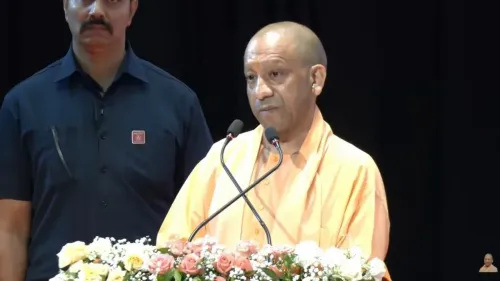
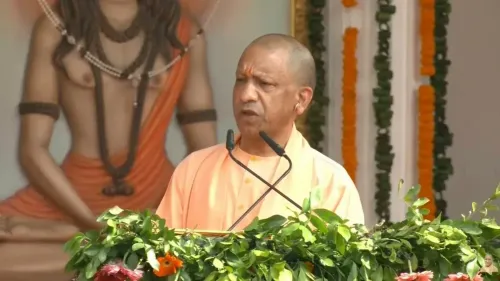
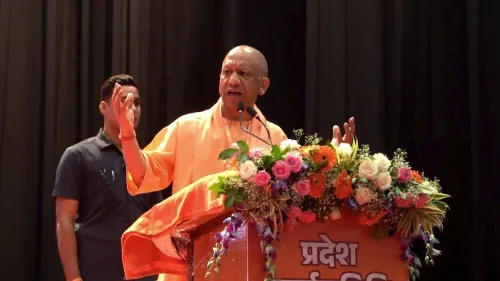
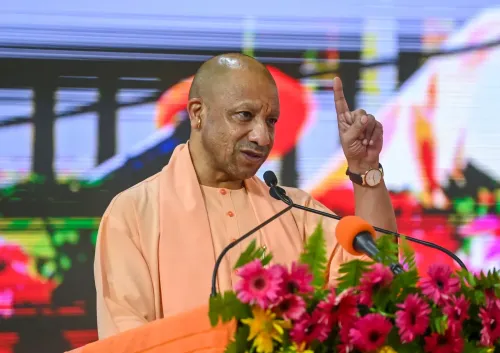
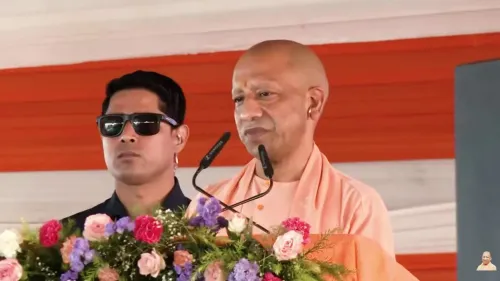
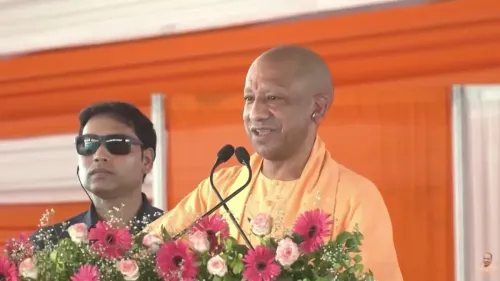
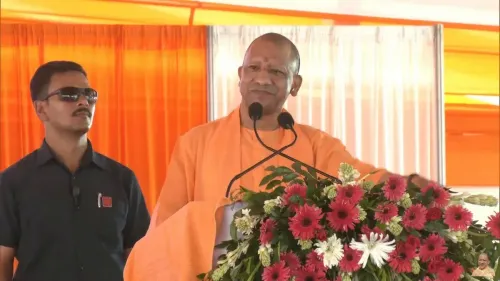
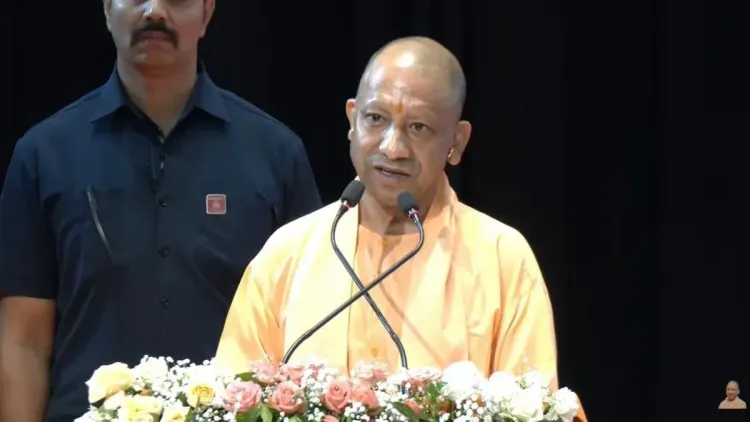
A festival firecracker versus systemic rot — that is the contrast Uttar Pradesh Chief Minister Yogi Adityanath put on the table on Wednesday, November 11, 2026, in a pointed remark that cuts straight to the heart of one of India's most recurring political flashpoints.
Posting on X, CM Yogi said: 'जिन लोगों ने अपने भ्रष्ट कारनामों से पूरे सिस्टम को प्रदूषित किया, उनको कोई बोलता नहीं।' ('No one speaks about those who polluted the entire system with their corrupt deeds.') He then added: 'If the public lights firecrackers for one day, it becomes pollution... whatever has happened will also pass, it is not a problem.'
The Argument: Two Kinds of Pollution
The remark draws a sharp rhetorical line between two definitions of 'pollution.' On one side sits festival air quality — the seasonal outrage that descends on northern India each year when ambient particulate levels spike and courts and regulators weigh firecracker restrictions. On the other, CM Yogi places what he calls the deeper contamination of governance itself by corrupt actors — a charge he does not name but deliberately leaves pointed.
The implication is deliberate and familiar in Uttar Pradesh political discourse: that critics who focus on a single day of celebrations conveniently ignore years of alleged institutional decay under previous administrations. It is a framing device CM Yogi has used consistently since taking office in 2017 — contrasting his government's anti-corruption posture with the record of his predecessors.
Festival-Season Pollution Debates in North India
Every autumn, the air quality conversation in northern India intensifies. Uttar Pradesh, with its dense urban corridors spanning Lucknow, Kanpur, and Varanasi, sits squarely in the region most scrutinised for particulate pollution. Firecracker restrictions — sometimes judicially ordered — have become a live political issue, with sections of the public viewing bans as cultural overreach and environmental groups citing public-health data.
CM Yogi's post does not announce a new policy or lift any existing restriction. It is a rhetorical salvo — reassuring to festival celebrants, combative toward critics — that stakes out a cultural and political position ahead of whatever the pollution-monitoring cycle reveals.
What Political Opponents and Regulators May Say Next
The comment is likely to draw a response from opposition parties and state pollution control boards, who will point to air-quality indices as empirical evidence that short-term spikes carry real public-health costs regardless of their cause. The challenge for any rebuttal, however, is that CM Yogi has anchored his argument in a moral equivalence — corruption as systemic pollution — that shifts the terrain from data to values.
That is a harder fight. And he knows it.
Point of View
He insulates festival culture from regulatory criticism while keeping the anti-corruption cudgel swinging at rival parties. It is a low-cost, high-resonance move that plays well in Uttar Pradesh's cultural heartland where firecracker restrictions are perceived as elite overreach. The long-term risk is that it can be read as dismissiveness toward measurable public-health concerns — a gap the opposition will seek to widen. For now, however, it cements his position as a defender of popular tradition against technocratic governance.
NationPress
11 Nov 2026
Frequently Asked Questions
What did CM Yogi Adityanath say about firecrackers and pollution?
On November 11, 2026, CM Yogi posted that those who corrupted the entire system face no accountability, while the public lighting firecrackers for one day is blamed for pollution — arguing the festival smoke is a temporary issue that will pass.
Is CM Yogi banning or allowing firecrackers in UP?
CM Yogi's post does not announce any new firecracker policy. It is a political statement defending the public's right to celebrate without facing disproportionate blame for pollution.
Why does UP face pollution debates during festivals?
Northern India, including major Uttar Pradesh cities like Lucknow , Kanpur , and Varanasi , experiences sharp spikes in particulate air pollution during autumn festival seasons, triggering annual debates about firecracker use and public health.
Who is Yogi Adityanath targeting with the 'systemic pollution' remark?
CM Yogi did not name any individual or party, but the reference to 'corrupt deeds polluting the system' follows his long-standing pattern of contrasting his administration's governance record with that of previous state governments since 2017.
What is the political significance of Yogi Adityanath's firecracker statement?
The statement positions CM Yogi as a defender of festival traditions against what he implies is selective environmentalism, while simultaneously reinforcing his anti-corruption narrative — a dual-purpose move ahead of likely opposition and regulatory responses.