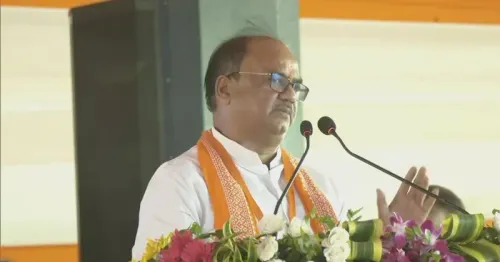
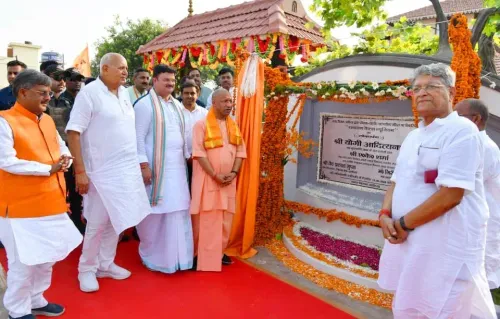
CM Yogi launches 217 development projects worth ₹432 cr in Ayodhya

Synopsis
Chief Minister Yogi Adityanath participated in the inauguration and foundation-laying of 217 development projects worth over ₹432 crore in Ayodhya on 10 July 2026, continuing the state government's sustained infrastructure push in the pilgrim city.
Key Takeaways
217 development projects were inaugurated or had their foundation stones laid in Ayodhya on 10 July 2026 .
The combined project outlay exceeds ₹432 crore , making it one of the larger single-event investment announcements for the city.
Chief Minister Yogi Adityanath personally presided over the ceremony, underscoring the political priority accorded to Ayodhya's development.
The push is part of a broader Ayodhya Master Plan encompassing roads, drainage, tourism infrastructure and urban amenities.
Uttar Pradesh has followed a consistent pattern of capital investment in pilgrim cities including Varanasi , Prayagraj and Mathura .
Rollout timelines and supplementary budget allocations for remaining Master Plan phases will be key metrics to watch.
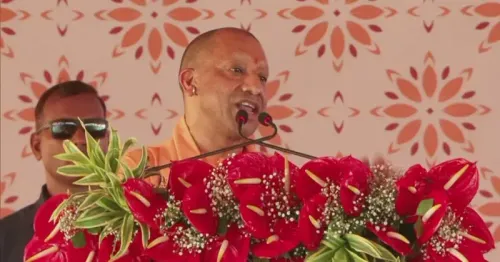
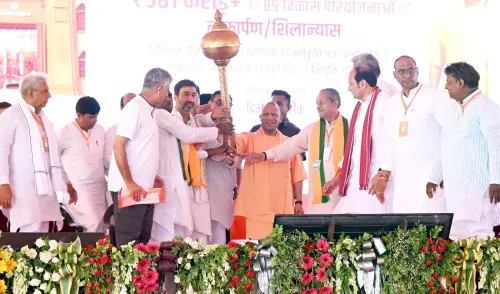
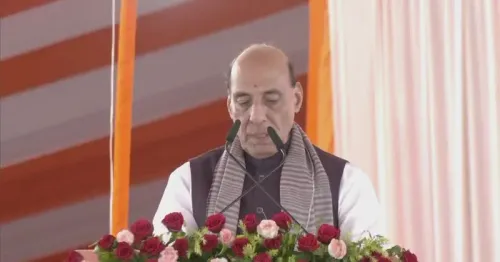
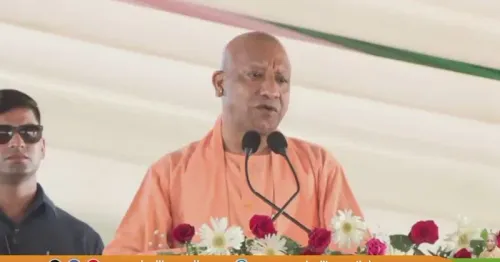
The Chief Minister's Office of Uttar Pradesh announced on Friday, 10 July 2026 that Chief Minister Yogi Adityanath participated in a programme in Ayodhya for the inauguration and foundation-laying of 217 development projects valued at over ₹432 crore.
Context
The official post, shared live from the event, described CM Yogi as 'lokokarpan/shilanyas karyakram mein sammilit' — participating in an inauguration and foundation-laying ceremony — covering projects with a combined outlay exceeding ₹432 crore. The ceremony covered both completed works being formally handed over and new projects being formally launched.
Ayodhya, a historic pilgrimage city on the banks of the Saryu river in eastern Uttar Pradesh, has been at the centre of the state government's infrastructure investment push for several years. The city draws millions of devotees annually and its development has been a stated priority of the Yogi Adityanath administration since 2017.
Policy Backdrop
Following the 2019 Supreme Court verdict on the Ayodhya title suit, the Uttar Pradesh government launched an integrated city development programme covering roads, drainage, tourism infrastructure and urban amenities. That push accelerated further with the consecration of the Ram Mandir and the inauguration of the expanded Maharishi Valmiki International Airport in 2023, which opened Ayodhya to direct air connectivity.
The state has consistently positioned religious tourism as an economic growth driver, channelling capital expenditure into pilgrim centres including Varanasi, Prayagraj and Mathura alongside Ayodhya. The Ayodhya Master Plan envisions phased upgrades to roads, drainage, ghats, public spaces and hospitality infrastructure to absorb the sharply rising footfall the city has seen in recent years.
Friday's ceremony, spanning 217 projects across inauguration and foundation-laying categories, represents one of the larger single-event investment announcements for the city under this administration.
Stakeholders and Impact
The most direct beneficiaries are Ayodhya's permanent residents, who stand to gain from improved municipal services, roads and drainage. Local traders and the hospitality sector are also expected to benefit as upgraded infrastructure supports higher tourist volumes.
Pilgrims visiting the city — whose numbers surged following the Ram Mandir consecration — will see improvements in public facilities and connectivity. Contractors and construction workers engaged across the 217 projects represent another layer of immediate economic impact at the ground level.
What's Next
Attention will now turn to the rollout timelines for the newly launched projects and whether the state budget allocates supplementary funds for remaining phases of the Ayodhya Master Plan. Progress on the ground will be closely watched by residents and pilgrims alike, given the scale of the announcement.
The Uttar Pradesh government is expected to provide periodic updates on project completion milestones, with infrastructure delivery in Ayodhya remaining a politically and administratively significant benchmark for the administration.
Point of View
Prayagraj and Mathura — suggests a deliberate template: heritage-linked city upgrades as both a governance and electoral asset. The real test will be whether project completion timelines match the pace of announcements.
NationPress
8 Oct 2026
Frequently Asked Questions
What projects were inaugurated in Ayodhya by CM Yogi today?
Chief Minister Yogi Adityanath participated in the inauguration and foundation-laying of 217 development projects in Ayodhya on 10 July 2026, with a combined value of over ₹432 crore. The projects span infrastructure categories including roads, drainage and urban amenities.
How much money is being spent on Ayodhya development in 2026?
Friday's ceremony alone covers projects worth over ₹432 crore. This is part of a broader, multi-year investment programme under the Ayodhya Master Plan that has been running since the 2019 Supreme Court verdict.
Why is Uttar Pradesh investing so heavily in Ayodhya?
The Uttar Pradesh government has positioned Ayodhya as a flagship pilgrim-tourism destination, particularly after the 2019 Supreme Court verdict and the consecration of the Ram Mandir. The state treats religious tourism as an economic growth driver.
What is the Ayodhya Master Plan?
The Ayodhya Master Plan is an integrated city development programme launched by the Uttar Pradesh government covering phased upgrades to roads, drainage, ghats, public spaces and hospitality infrastructure to support the city's growing pilgrim footfall.
When did Yogi Adityanath become Chief Minister of Uttar Pradesh?
Yogi Adityanath has served as Chief Minister of Uttar Pradesh since 2017 and has overseen the state's sustained infrastructure investment in pilgrim cities including Ayodhya, Varanasi, Prayagraj and Mathura.