CM Yogi launches 88 projects worth ₹697 cr in Mahoba
Synopsis
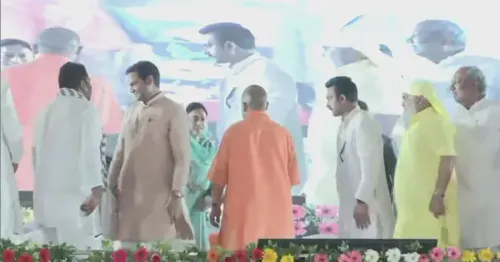
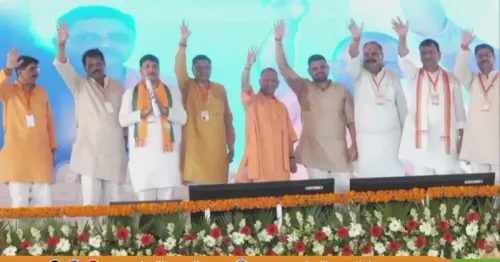
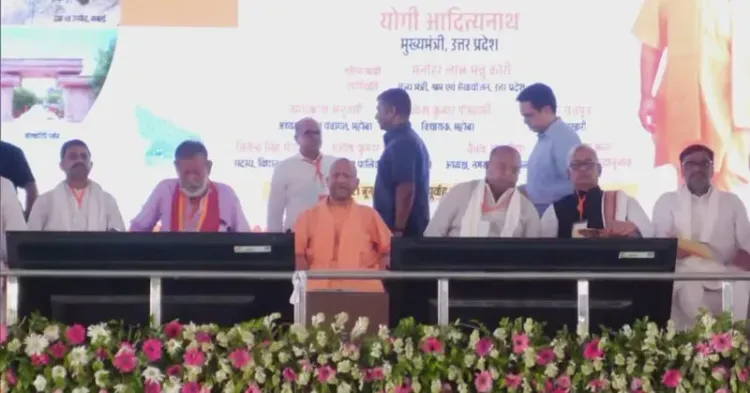
Chief Minister Yogi Adityanath attended a live programme in Mahoba on 21 June 2026, inaugurating and laying foundation stones for 88 development projects worth over ₹697 crore, continuing the UP government's district-level infrastructure drive in the Bundelkhand region.
Key Takeaways
88 development projects were inaugurated or had foundation stones laid in Mahoba , Uttar Pradesh, on 21 June 2026 .
The combined investment stands at over ₹697 crore .
CM Yogi Adityanath was personally present at the ceremony, which was streamed live.
The event covered both completed project dedications ( lokarpaṇ ) and new project launches ( śilānyas ).
Mahoba is part of the Bundelkhand region, a consistent focus of the UP government's infrastructure push since 2017 .
Local residents of Mahoba and surrounding Bundelkhand districts are the primary beneficiaries.
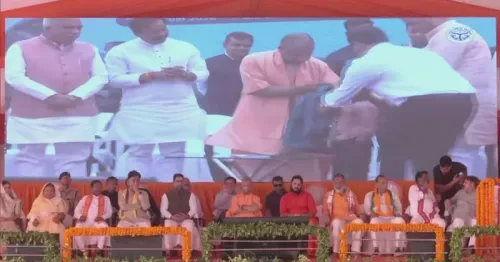
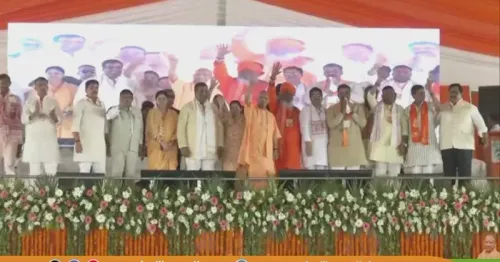
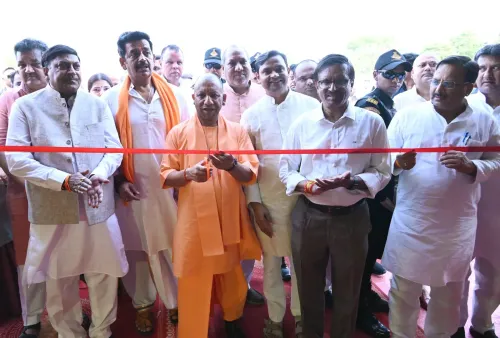
Chief Minister Yogi Adityanath participated in a development programme in Mahoba, Uttar Pradesh, on Sunday, 21 June 2026, attending the inauguration and foundation-stone laying of 88 development projects worth over ₹697 crore in the district.
Context
The Chief Minister's Office of Uttar Pradesh announced the event as a live programme, sharing that CM Yogi Adityanath was present at a ceremony combining both lokarpaṇ (dedications of completed works) and śilānyas (foundation-stone layings) — a format the state government has regularly employed to mark simultaneous delivery and launch of civic projects. The post stated the event covered projects costing over ₹697 crore across 88 schemes in Mahoba.
Mahoba is a district in the Bundelkhand region of Uttar Pradesh, an area historically associated with water scarcity, agrarian distress, and infrastructure deficits. District-level events of this scale are intended to signal the government's direct attention to such regions.
Policy Backdrop
Since 2017, the Uttar Pradesh government under CM Yogi Adityanath has conducted repeated district-level inauguration events spanning roads, irrigation, drinking water, and civic infrastructure across the state. The Bundelkhand region has been a consistent focus, given its lagging development indicators relative to other parts of Uttar Pradesh.
The combined lokarpaṇ-śilānyas format allows the administration to publicly account for completed projects while simultaneously announcing new ones, creating a visible continuity of infrastructure activity. Events of this type have been held across dozens of districts over the past several years as part of a broader push for physical infrastructure expansion.
Stakeholders and Impact
The primary beneficiaries are residents of Mahoba and surrounding Bundelkhand districts, where road connectivity, irrigation access, and basic civic amenities remain priority concerns. An investment of over ₹697 crore across 88 projects in a single district-level event represents a substantial outlay for a region of this size.
Local contractors, construction workers, and supply-chain businesses in the district are also among the immediate stakeholders. Longer-term, completed infrastructure projects in Bundelkhand are expected to support agricultural productivity, improve market access, and ease the movement of goods and people.
What's Next
Attention will now turn to the rollout timelines and utilisation reports for the projects announced and inaugurated in Mahoba. Progress on foundation-stone projects — those newly launched rather than dedicated — will be tracked by district administration and state oversight bodies.
Neighbouring Bundelkhand districts may also see similar development events as the state government continues its pattern of district-by-district infrastructure drives. Whether the pace of project completion matches the scale of announcements will be a key measure of the programme's effectiveness.
Point of View
Chief-minister-led ceremonies that bundle completed and new projects together, maximising political optics in historically underserved districts. Bundelkhand's persistent development gaps make it a natural target for such events, which serve both a governance and an electoral signalling function. The sheer scale — 88 projects, over ₹697 crore, in a single district — suggests the government is accelerating its infrastructure calendar, possibly with an eye on consolidating support in a region that has seen significant political volatility. The real test, as with previous rounds, will be whether project completion rates keep pace with announcement volumes.
NationPress
21 Jun 2026
Frequently Asked Questions
What projects were launched in Mahoba by CM Yogi on 21 June 2026?
Chief Minister Yogi Adityanath participated in the inauguration and foundation-stone laying of 88 development projects worth over ₹697 crore in Mahoba, Uttar Pradesh, on 21 June 2026. The specific sectors covered by these projects were not detailed in the official announcement.
What is the total cost of development projects inaugurated in Mahoba?
The total cost of the 88 development projects inaugurated or launched in Mahoba is over ₹697 crore, as stated by the Chief Minister's Office of Uttar Pradesh.
Where is Mahoba district located in Uttar Pradesh?
Mahoba is a district in the Bundelkhand region of Uttar Pradesh. The area is known for its historical significance and has been a focus of state government development programmes due to its infrastructure and water-resource challenges.
What does lokarpaṇ and shilanyas mean in the context of UP government events?
Lokarpaṇ refers to the formal dedication or inauguration of a completed project to the public, while shilanyas refers to the laying of a foundation stone for a new project. The UP government regularly combines both in single district-level ceremonies.
How often does CM Yogi hold infrastructure events in Bundelkhand?
Since 2017, the Uttar Pradesh government under CM Yogi Adityanath has conducted multiple district-level inauguration events across the state, with Bundelkhand receiving consistent attention due to its development deficit. Such events have been held across dozens of districts over the years.