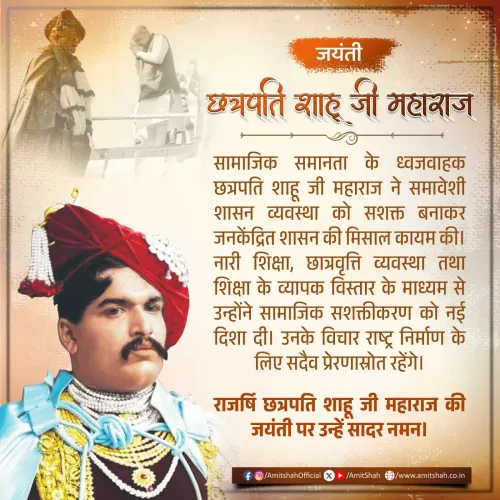
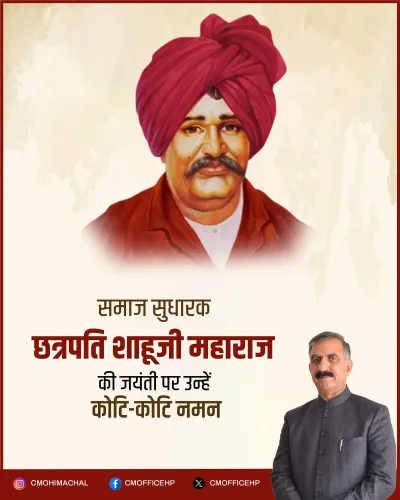
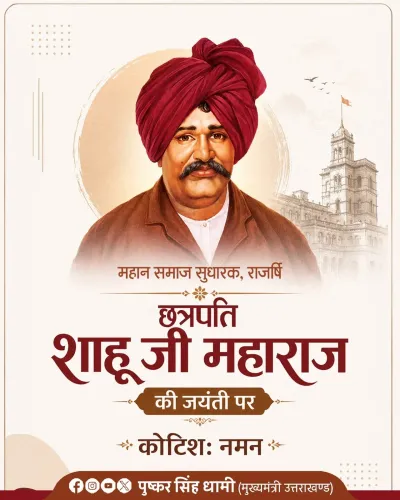
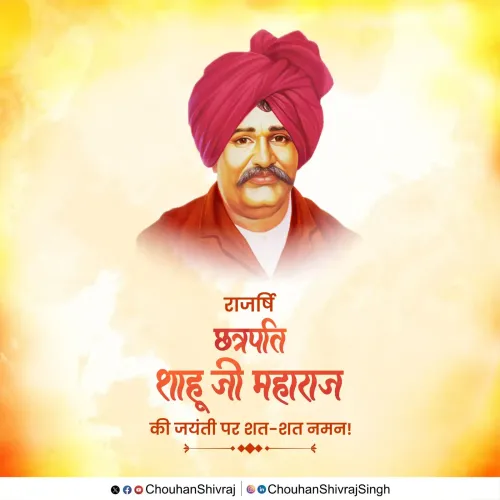
CM Yogi Pays Tribute to Chhatrapati Shahu Ji Maharaj on Birth Anniversary
Synopsis
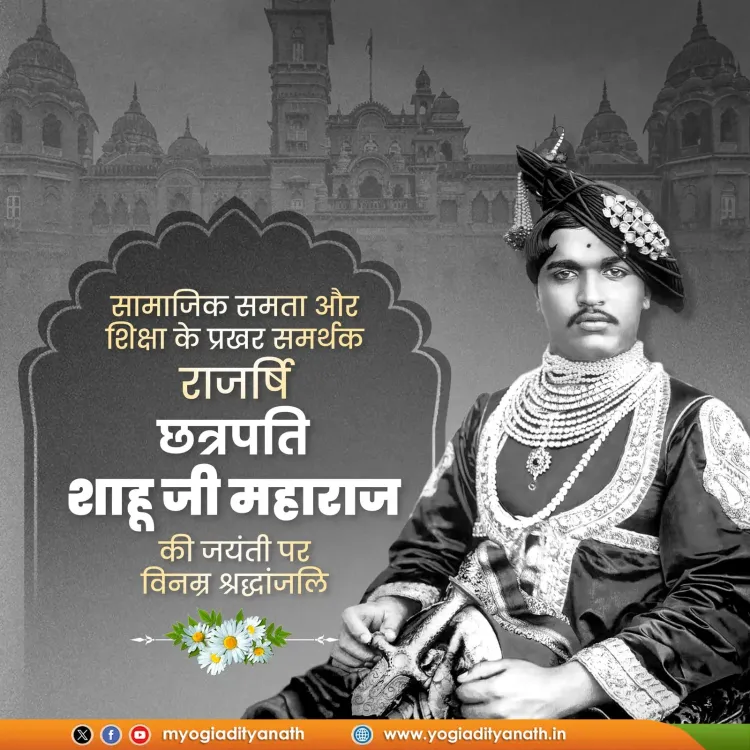
UP Chief Minister Yogi Adityanath on 26 June 2026 honoured 'Rajrishi' Chhatrapati Shahu Ji Maharaj on his birth anniversary, citing the Kolhapur ruler's pioneering work on untouchability abolition, education access, and social unity as an enduring source of inspiration.
Key Takeaways
UP CM Yogi Adityanath paid tribute to Chhatrapati Shahu Ji Maharaj on his birth anniversary on 26 June 2026 .
Shahu Ji Maharaj ruled the Kolhapur princely state from 1894 to 1922 and issued India's first reservation order in 1902 for backward classes.
He is credited with abolishing untouchability practices, establishing schools, and creating scholarships for marginalised students within his territory.
CM Adityanath described him as a Rajrishi — a sage-king — and a 'fervent champion of social equality and education.' The tribute aligns with a broader BJP practice of honouring pre-independence social reformers to underscore themes of equity and inclusion.
State-level events or educational scheme announcements tied to the anniversary may follow, consistent with past practice in Uttar Pradesh .
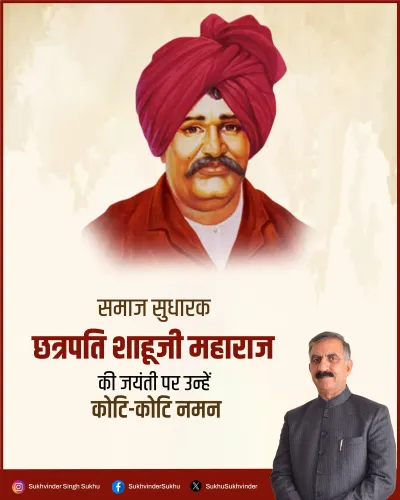
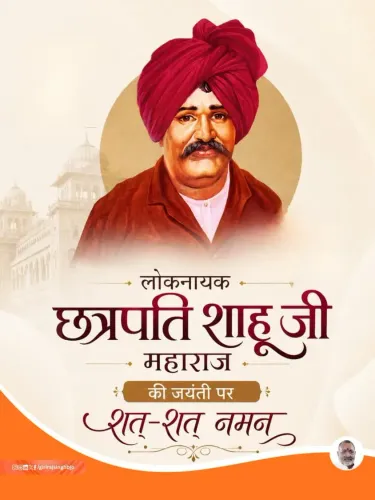
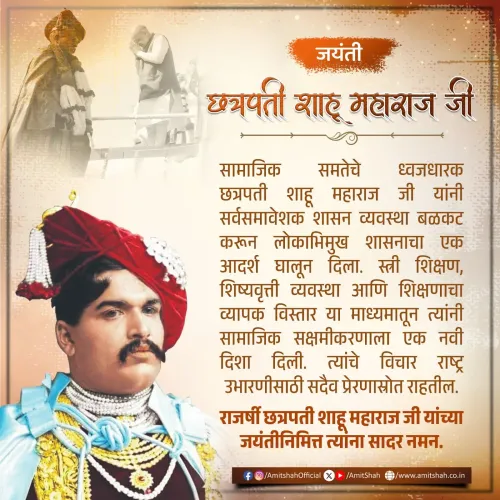
Uttar Pradesh Chief Minister Yogi Adityanath on Friday, 26 June 2026 paid tribute to Chhatrapati Shahu Ji Maharaj, the reformist ruler of the Kolhapur princely state, on the occasion of his birth anniversary, honouring the 19th-century leader's contributions to social equality, education, and the abolition of untouchability.
Context
In his post, Chief Minister Adityanath described Shahu Ji Maharaj as a 'rajrishi' (sage-king) and a 'fervent champion of social equality and education,' offering what he called a 'humble tribute' (vinamra shraddhanjali) on the birth anniversary. He stated that Shahu Ji Maharaj's work toward the 'eradication of untouchability, spread of education, and strengthening of social unity will always continue to inspire all of us.'
The tribute underscores a recurring pattern among BJP leaders of invoking pre-independence social reformers whose legacies align with themes of caste equity and educational access — causes that carry significant political resonance in states like Uttar Pradesh, where OBC and marginalised communities constitute a large share of the electorate.
Policy Backdrop
Chhatrapati Shahu Ji Maharaj (1874–1922), who ruled the Kolhapur princely state from 1894 to 1922, is widely credited with issuing India's first reservation order in 1902, mandating representation for backward classes in education and administration — a measure that predated the modern constitutional reservation framework by nearly five decades.
He abolished untouchability practices within his princely territory, established schools, and created scholarships specifically for students from marginalised communities. His initiatives are regarded as foundational to the broader anti-caste reform movement in western and central India, placing him alongside figures such as Jyotirao Phule and B.R. Ambedkar in the social-reform canon.
The honorific 'Rajrishi' — meaning a king who attains the wisdom of a sage — was formally conferred on him in recognition of his social and administrative contributions, and remains the title most commonly associated with his legacy.
Stakeholders and Impact
Shahu Ji Maharaj's legacy is of particular significance to OBC communities, Dalit groups, and students from economically weaker sections across India, for whom his 1902 reservation order represents a historical landmark in the struggle for institutional representation.
In Uttar Pradesh, where the Yogi Adityanath government has sought to position itself as an advocate for social welfare and educational outreach, tributes to reformers of this stature serve both a commemorative and a political function — reinforcing the administration's stated commitment to equity and inclusion.
Observers note that such commemorations also signal the BJP's effort to build bridges with communities historically associated with the reform movements championed by figures like Shahu Ji Maharaj, particularly ahead of electoral cycles in the state.
What's Next
Birth anniversaries of major social reformers in Uttar Pradesh have in past years been accompanied by state-level events, scholarship disbursements, or scheme announcements tied to the reformer's legacy. Whether the Yogi Adityanath government follows this tribute with programmatic action — such as educational initiatives targeting marginalised communities — will be closely watched by civil society groups and opposition parties alike.
As India continues to debate the scope and future of its reservation framework, tributes to pioneers like Chhatrapati Shahu Ji Maharaj carry weight beyond ceremony, keeping the historical roots of affirmative action in public discourse.
Point of View
Particularly those associated with OBC and Dalit uplift — communities central to the party's electoral arithmetic in Uttar Pradesh. By invoking Shahu Ji Maharaj's 1902 reservation order and anti-untouchability work, the tribute connects the ruling dispensation to a reform tradition that predates the Congress era, offering an implicit counter-narrative to opposition parties that have historically claimed ownership of social-justice politics. The choice of the 'Rajrishi' honorific also carries cultural weight, framing the reformer in terms that resonate across both progressive and traditionalist audiences. Whether the tribute translates into substantive policy action will determine its lasting political value.
NationPress
26 Jun 2026
Frequently Asked Questions
Who was Chhatrapati Shahu Ji Maharaj?
Chhatrapati Shahu Ji Maharaj (1874–1922) was the ruler of the Kolhapur princely state in present-day Maharashtra who issued India's first reservation order in 1902 for backward classes in education and administration, and worked actively to abolish untouchability and promote education among marginalised communities.
Why did CM Yogi Adityanath pay tribute to Shahu Ji Maharaj?
CM Yogi Adityanath paid tribute on the occasion of Shahu Ji Maharaj's birth anniversary on 26 June 2026, honouring his contributions to social equality, eradication of untouchability, and the spread of education.
What is the significance of Shahu Ji Maharaj's 1902 reservation order?
The 1902 reservation order issued by Shahu Ji Maharaj for the Kolhapur state is considered India's first formal reservation policy, mandating representation for backward classes in education and administration — predating the constitutional reservation framework by nearly five decades.
What does 'Rajrishi' mean in reference to Shahu Ji Maharaj?
'Rajrishi' is an honorific meaning a king who attains the wisdom of a sage. It was conferred on Chhatrapati Shahu Ji Maharaj in recognition of his social reforms and administrative contributions, and remains the title most closely associated with his legacy.
How does the BJP use tributes to social reformers politically?
BJP leaders across states regularly issue tributes to pre-independence social reformers on their birth and death anniversaries to highlight themes of social equality and education access, and to connect the party's governance agenda to historical reform movements that resonate with OBC and Dalit communities.