CM Yogi Honours Police Martyrs at Smriti Diwas Parade 2026
Synopsis
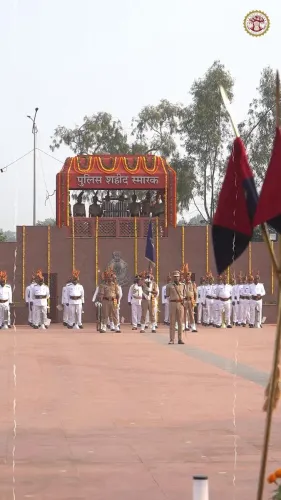
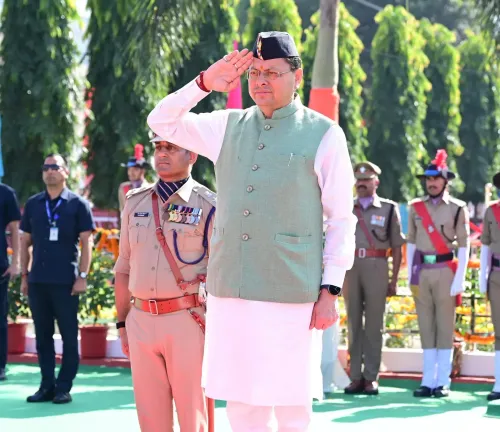
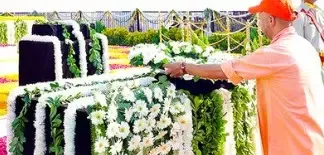
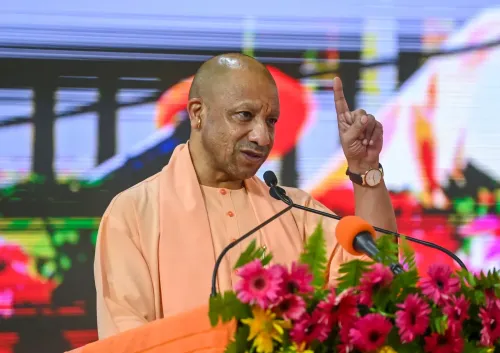
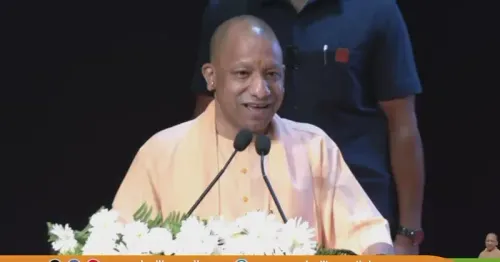
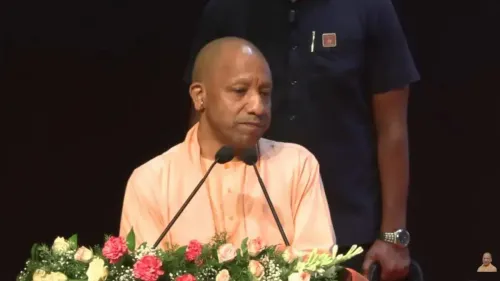
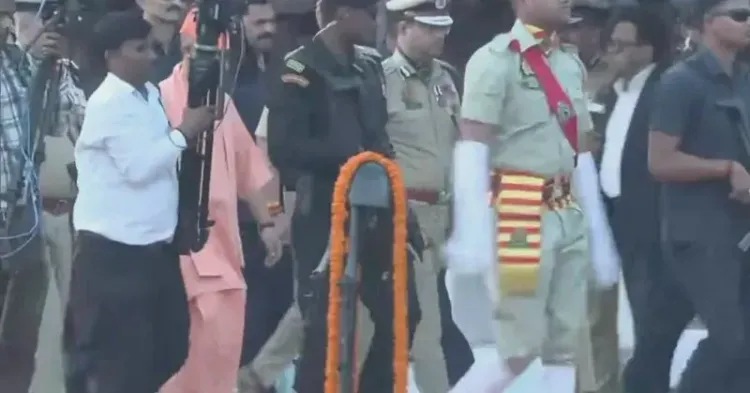
Chief Minister Yogi Adityanath joined the Police Smriti Diwas 2026 Smriti Parade in Uttar Pradesh on 21 October, paying tribute to police personnel killed in the line of duty on India's annual National Police Commemoration Day.
Key Takeaways
Chief Minister Yogi Adityanath participated in the Police Smriti Diwas 2026 Smriti Parade in Uttar Pradesh on 21 October 2026 .
National Police Commemoration Day is observed annually on 21 October since 1960 , marking the 1959 Hot Springs, Ladakh ambush in which ten CRPF personnel were killed.
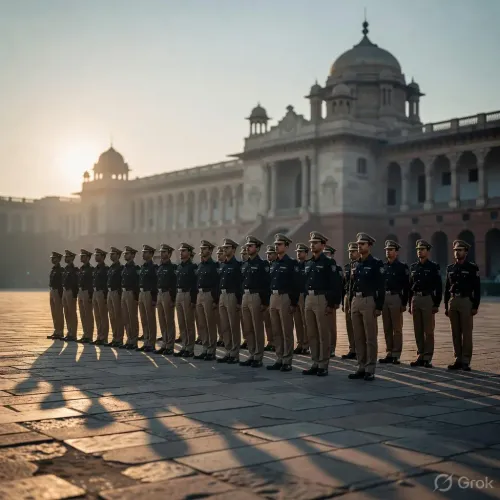
The Smriti Parade is a formal state tribute to UP Police personnel who died in the line of duty, attended by martyrs' families and serving officers.
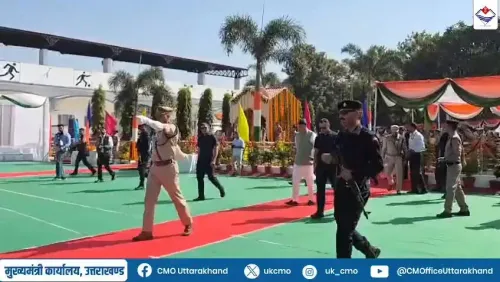
The Chief Minister's Office broadcast the event live, calling the fallen officers 'veer amar shaheed' — brave immortal martyrs.
Uttar Pradesh under CM Yogi has consistently highlighted police welfare and law-and-order as central governance priorities since 2017 .
Every year on 21 October, India pauses to remember the officers who gave their lives in uniform — and in Uttar Pradesh, that pause carries particular weight. Chief Minister Yogi Adityanath, participating in the Police Smriti Diwas 2026 observance, joined the Smriti Parade — a formal procession held in honour of the state's fallen police personnel.
A Date Rooted in Sacrifice — The 1959 Ladakh Incident
National Police Commemoration Day has been observed on 21 October since 1960, instituted to mark a grim anniversary: the ambush of an Indian Central Reserve Police Force patrol at Hot Springs, Ladakh, on 21 October 1959, in which ten personnel were killed by Chinese forces. That single act of sacrifice became the founding moment for an annual national tribute. Across India, state governments hold parades, wreath-laying ceremonies, and welfare announcements every year on this date.
UP's Smriti Parade — Honouring the State's Fallen Officers
In Uttar Pradesh, policing one of India's most populous and complex states demands an extraordinary toll. The Smriti Parade is not ceremonial window-dressing — it is a formal state acknowledgement of officers killed in the line of duty, conducted in front of their families. Chief Minister Yogi Adityanath, who has consistently emphasised law-and-order as a cornerstone of governance since taking office in 2017, has made personal participation in these tributes a visible part of his public calendar.
The Chief Minister's Office of Uttar Pradesh shared a live broadcast of the event, describing the occasion as honouring 'veer amar shaheedon' — the brave immortal martyrs — of the Uttar Pradesh Police. The families of fallen officers and serving personnel attended the parade, putting faces to the sacrifice the day is designed to remember.
Law-and-Order as Governance Signature in UP
Under the current administration, Uttar Pradesh has repeatedly invoked its police force's record as evidence of improving law-and-order conditions in the state. Events like Police Smriti Diwas sit at the intersection of institutional tribute and political messaging — a signal to both the force and the public that the state places its officers at the centre of governance. For the families of martyrs, though, the parade means something far simpler and far more profound: their loved one was not forgotten.
The debt India owes its police martyrs is older than any government. The least the state can do is show up — and today in Uttar Pradesh, it did.
Point of View
But in Uttar Pradesh it carries added political weight: CM Yogi Adityanath has built his governance brand substantially around law-and-order credentials, making visible solidarity with the police force a recurring state message. The live broadcast of the event signals an intent to communicate the tribute not just to those physically present but to a wider public audience. Over the longer arc, consistent high-visibility participation at such events reinforces the administration's framing of UP's police transformation — a narrative it returns to at every electoral and policy opportunity.
NationPress
21 Oct 2026
Frequently Asked Questions
What is Police Smriti Diwas and why is it celebrated on 21 October?
Police Smriti Diwas, or National Police Commemoration Day, is observed on 21 October every year since 1960 to honour police personnel who died in the line of duty. The date marks the 1959 Hot Springs, Ladakh ambush in which ten CRPF personnel were killed by Chinese forces.
What is a Smriti Parade in the context of Police Smriti Diwas?
A Smriti Parade is a formal ceremonial procession held by state police forces on Police Smriti Diwas to pay tribute to officers killed in the line of duty, typically attended by martyrs' families and senior officials including the Chief Minister.
Did CM Yogi Adityanath attend the Police Smriti Diwas 2026 event?
Yes. Chief Minister Yogi Adityanath participated in the Police Smriti Diwas 2026 Smriti Parade in Uttar Pradesh on 21 October 2026 , as confirmed by the official Chief Minister's Office account.
Which state police force is honoured at the Uttar Pradesh Police Smriti Diwas parade?
The Uttar Pradesh Police , the state force responsible for law and order in India's most populous state, is the primary force honoured at the UP Police Smriti Diwas Smriti Parade.
How long has Yogi Adityanath been Chief Minister of Uttar Pradesh?
Yogi Adityanath has served as Chief Minister of Uttar Pradesh since 2017 , making him one of the longest-serving current state chief ministers in India.