CMFRI calls for mandatory fishmeal traceability amid rising demand
Synopsis
India's premier marine fisheries research body is pushing for a regulatory overhaul of the fishmeal sector — demanding end-to-end traceability to combat IUU fishing and unsustainable sourcing. A first-of-its-kind CMFRI pilot study on deep-sea mesopelagic species adds a rare scientific dimension to what is shaping up as a pivotal moment for India's aquaculture supply chain.
Key Takeaways
CMFRI has called for mandatory traceability in India's fishmeal and fish oil sector at a stakeholder consultation in Kochi .
End-to-end traceability from harvest to consumption is seen as critical to curbing IUU fishing and ensuring market credibility.
A CMFRI pilot study — the first of its kind in India — found mesopelagic deep-sea species could be economically viable for fishmeal production, pending further validation.
CMFRI Director Grinson George committed to detailed stock assessments to guide future sectoral interventions.
Deputy Commissioner Sanjay Pandey urged stakeholders to adopt the national traceability framework .
Global markets' growing emphasis on sustainability is increasing pressure on Indian producers to align practices with international standards.
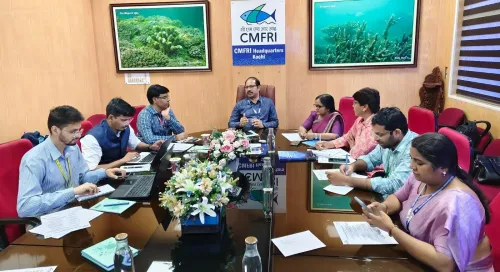
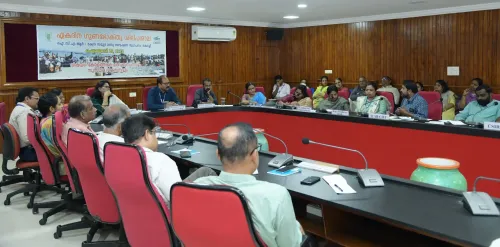
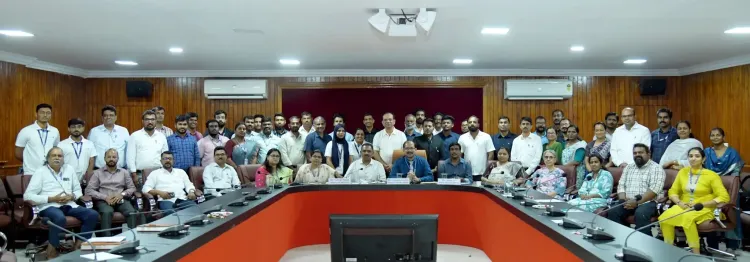
ICAR-Central Marine Fisheries Research Institute (CMFRI) has called for making traceability mandatory in the fishmeal and fish oil sector, citing growing concerns over sustainability and unregulated sourcing as demand for these commodities surges. The call emerged from a stakeholder consultation convened by the CMFRI in Kochi, where marine scientists, industry representatives, and policymakers converged to address critical gaps in the sector's oversight framework.
Key Demands from the Consultation
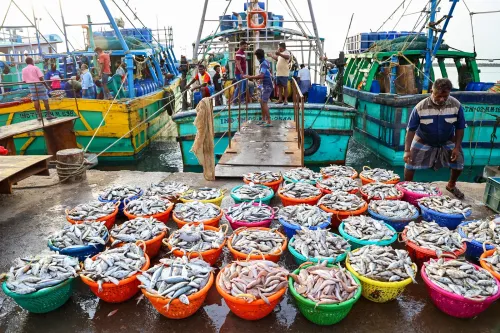
Participants at the consultation stressed that end-to-end traceability — spanning harvest, processing, and final consumption — is essential to curb Illegal, Unreported and Unregulated (IUU) fishing, ensure regulatory compliance, and maintain market credibility. Experts warned that existing gaps in documentation and monitoring systems risk enabling unsustainable practices, calling for significantly stronger oversight mechanisms across the value chain.
Mesopelagic Resources as a Promising Alternative
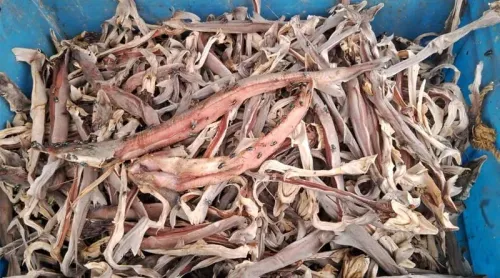
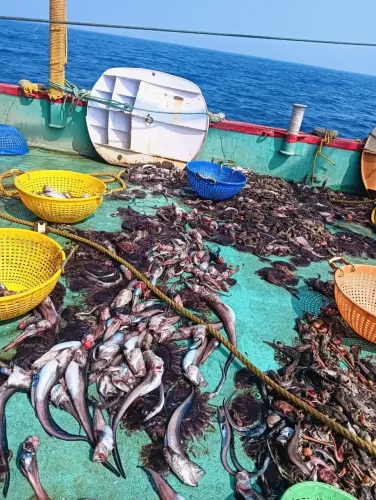
A key focus of the consultation was the potential of mesopelagic resources — deep-sea species found in midwater zones — as an underutilised and promising alternative raw material for fishmeal production. A pilot study led by CMFRI, described as the first of its kind in India, indicated these resources could be economically viable, though experts called for further scientific validation before large-scale adoption. Diversifying raw material sources, participants agreed, is critical to reducing pressure on conventional fish stocks.
What Scientists and Officials Said
CMFRI Director Grinson George underlined that growth in the sector must be evidence-based.
Point of View
And CMFRI's push for mandatory traceability is a direct acknowledgement of that gap. The IUU fishing problem is not peripheral — it undermines stock assessments, distorts market prices, and erodes India's credibility in sustainability-conscious export markets. The mesopelagic pilot is scientifically intriguing, but the jump from a first-of-its-kind study to commercial-scale sourcing requires rigorous stock assessment that could take years. The more immediate challenge is whether the national traceability framework, which officials are urging industry to adopt, has the enforcement teeth to move beyond voluntary compliance.
NationPress
16 Sept 2026
Frequently Asked Questions
Why is CMFRI calling for mandatory traceability in the fishmeal sector?
CMFRI is calling for mandatory traceability to combat Illegal, Unreported and Unregulated (IUU) fishing, ensure regulatory compliance, and maintain credibility in domestic and global markets. Gaps in current documentation and monitoring systems risk enabling unsustainable sourcing practices as demand for fishmeal and fish oil rises.
What are mesopelagic resources and why are they significant for fishmeal?
Mesopelagic resources are deep-sea species found in midwater zones, largely untapped for commercial use in India. A CMFRI pilot study — the first of its kind in the country — found they could be economically viable for fishmeal production, offering a potential alternative to conventional fish stocks under pressure from overfishing.
What is the national traceability framework for fisheries in India?
The national traceability framework is a government-backed system designed to track fish and fishery products across the supply chain, from harvest to final consumption. Deputy Commissioner Sanjay Pandey urged industry stakeholders at the CMFRI consultation to adopt this framework to ensure transparency and accountability.
Who participated in the CMFRI stakeholder consultation in Kochi?
The consultation brought together marine scientists, industry representatives, and policymakers, including CMFRI Director Grinson George, ICAR-Central Institute of Fisheries Technology Director George Ninan, Deputy Commissioner Fisheries Sanjay Pandey, and ICAR Assistant Director Shubdeep Ghosh.
How does fishmeal traceability affect India's export markets?
Global markets are increasingly prioritising sustainability and verified sourcing. Without credible traceability, Indian fishmeal producers risk losing access to premium export markets. ICAR-CIFT Director George Ninan noted that sustainable practices are essential not just for conservation but also for better price realisation in both domestic and international markets.