Coal Truck Kills Man in Jharkhand; Villagers Block Road 30+ Hours
Synopsis
A coal-laden truck killed a man near Karo village in Jharkhand's Chatra district, triggering a 30-hour road blockade by villagers who kept the body at the protest site. Demanding Rs 20 lakh compensation and a ban on heavy vehicles, protesters have exposed systemic negligence in coal belt road safety — with no senior official arriving to resolve the standoff.
Key Takeaways
Uresh Lohar alias Suresh Lohra of Chiraiyatand Tola, Chatra was killed by a coal-laden truck near Karo village on April 22 under Piparwar police station limits.
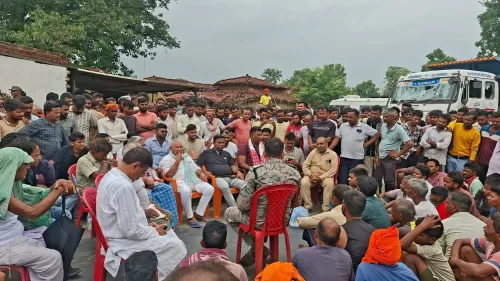
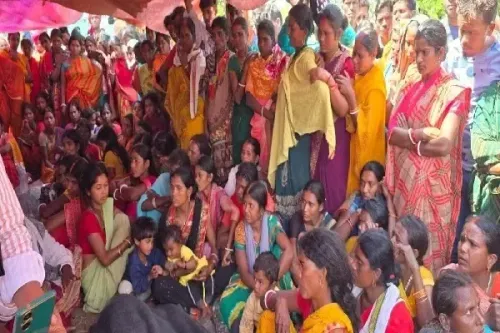
Villagers have blocked the Tandwa-Piparwar main road for over 30 hours , keeping the body at the protest site even after postmortem.
Key demands include Rs 20 lakh compensation , a no-entry rule for heavy vehicles, an alternative route, and a ban on overloading.
Dilip Kumar Ambasht , representative of MP Kalicharan Singh , visited the site but no senior district official had arrived as of the report's filing.
The blockade has caused severe traffic disruption on both sides of the highway, worsened by the ongoing wedding season traffic surge.
The incident highlights a pattern of regulatory neglect in Jharkhand's coal belt , where heavy vehicles frequently operate on public roads without adequate safety oversight.
Chatra, Jharkhand, April 23: A fatal road accident involving an out-of-control coal-laden heavy vehicle on the Tandwa-Piparwar main road in Jharkhand's Chatra district has sparked a prolonged protest, with angry villagers blocking the highway for over 30 hours after the victim's death on Wednesday afternoon. The deceased, identified as Uresh Lohar alias Suresh Lohra, a resident of Chiraiyatand Tola, was struck and killed on the spot near Karo village under the Piparwar police station limits. The incident has reignited long-standing concerns over the unchecked movement of overloaded coal trucks through residential and public roads in the region.
The Fatal Accident: What Happened
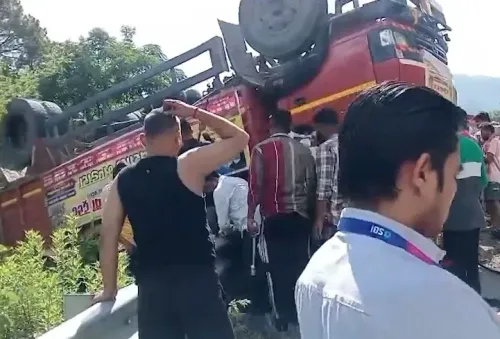
According to police officials, the accident took place on Wednesday afternoon, April 22, when an uncontrolled heavy vehicle transporting coal lost control and struck Uresh Lohar, killing him instantly near Karo village in Piparwar police station jurisdiction.
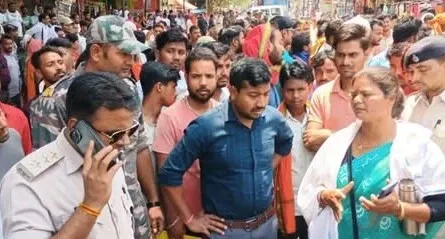
Within hours of the incident, enraged locals gathered at the site and blocked the Tandwa-Piparwar main road, refusing to disperse. Even after the body underwent postmortem examination, protesters chose to retain the body at the demonstration site as a powerful symbol of their unresolved grievances.
Protesters' Demands and Escalating Tension
Villagers have put forth a clear set of demands before the administration. These include a compensation of Rs 20 lakh for the victim's family, designation of an alternative route for coal-laden trucks, strict enforcement of a no-entry rule for heavy vehicles on the main road, and an immediate crackdown on overloading of coal vehicles.
Residents allege that despite repeated accidents caused by coal transportation trucks in the area, neither the district administration nor transport operators have taken meaningful corrective action. This systemic negligence, they argue, has cost lives before and continues to endanger the community.
Political Intervention Falls Short
Dilip Kumar Ambasht, the representative of Chatra Member of Parliament Kalicharan Singh, visited the protest site and engaged in dialogue with the aggrieved villagers. He assured them that he would take up the matter with the concerned administration to broker a resolution.
However, as of the filing of this report, no senior district administrative official and no representative from the coal transport industry had arrived at the scene. The absence of authoritative intervention has further deepened mistrust among protesters and heightened the risk of the standoff escalating.
Traffic Chaos Amid Wedding Season
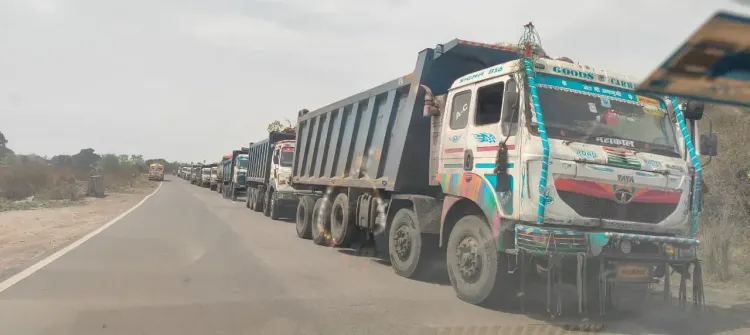
The prolonged road blockade has caused significant disruption on both sides of the Tandwa-Piparwar main road, with long queues of vehicles stretching across the highway. The situation is particularly acute given the ongoing wedding season, which has led to a surge in traffic volume.
Commuters have been forced to take longer, often unsafe alternate routes, adding to frustration and economic inconvenience. Local traders and transport operators are also bearing the brunt of the blockade, with goods movement severely hampered.
Broader Context: Coal Belt Roads and a Pattern of Neglect
This incident is not an isolated tragedy. Jharkhand's coal belt districts — including Chatra, Ramgarh, and Bokaro — have repeatedly witnessed fatal accidents involving overloaded coal trucks that operate with minimal regulatory oversight. The Piparwar region, being a significant coal mining zone, sees heavy commercial vehicle traffic daily, much of it on roads not designed to bear such loads.
Notably, civil society groups and local panchayats in the region have previously raised alarms about the absence of dedicated haulage corridors for coal trucks, forcing these vehicles onto shared public roads. Critics argue that the coal transportation lobby's economic clout has historically insulated it from strict enforcement of motor vehicle regulations.
This comes amid broader national concerns about road safety in mining districts, where the National Highways Authority and state governments have repeatedly been flagged by the Supreme Court and National Human Rights Commission (NHRC) for failing to enforce overloading norms and maintain road infrastructure.
As the standoff continues, all eyes are on the Chatra district administration to step in with a concrete response. If the demands are not addressed swiftly, the protest risks intensifying — and the broader question of accountability in Jharkhand's coal transportation ecosystem demands urgent policy-level attention.
Point of View
The absence of any senior official underscores how communities in resource-rich but governance-poor zones are left to fend for themselves. Until coal transportation is regulated with the same urgency as coal extraction, tragedies like this will keep repeating.
NationPress
25 Sept 2026
Frequently Asked Questions
Who was killed in the Chatra coal truck accident in Jharkhand?
Uresh Lohar alias Suresh Lohra , a resident of Chiraiyatand Tola in Chatra district, was killed after being struck by an out-of-control coal-laden heavy vehicle near Karo village on April 22 . He died on the spot.
Why are villagers blocking the road in Chatra, Jharkhand?
Villagers blocked the Tandwa-Piparwar main road to protest the death of a local man caused by an uncontrolled coal truck. They are demanding Rs 20 lakh compensation , a no-entry rule for heavy vehicles, an alternative route, and strict overloading curbs.
How long has the road blockade in Chatra, Jharkhand lasted?
The road blockade has continued for over 30 hours as of April 23 . Protesters have retained the body at the protest site even after postmortem, intensifying pressure on the administration.
What action has the Jharkhand government taken in the Chatra protest?
As of the latest reports, no senior district administrative official has visited the protest site. Dilip Kumar Ambasht , representative of MP Kalicharan Singh , held talks with villagers but no concrete resolution has been reached.
Is coal truck overloading a recurring problem in Jharkhand?
Yes, overloaded coal trucks causing fatal accidents is a recurring issue across Jharkhand's coal belt districts including Chatra, Ramgarh, and Bokaro. Activists and local bodies have long demanded dedicated haulage routes and stricter enforcement of motor vehicle norms.