Congress dares Shinde's Sena to tear Golwalkar, Shourie books in Savarkar row
Synopsis
Congress has flipped the Savarkar controversy onto Shinde's Shiv Sena — by citing RSS chief Golwalkar's own book calling Savarkar a 'traitor' and Arun Shourie's critical examination of his legacy, daring the ruling party to demonstrate consistency in its outrage over Sonia Gandhi's memoir 'Belonging'.
Key Takeaways
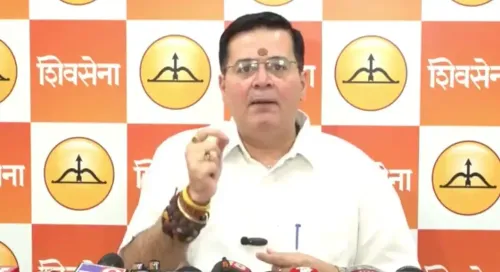
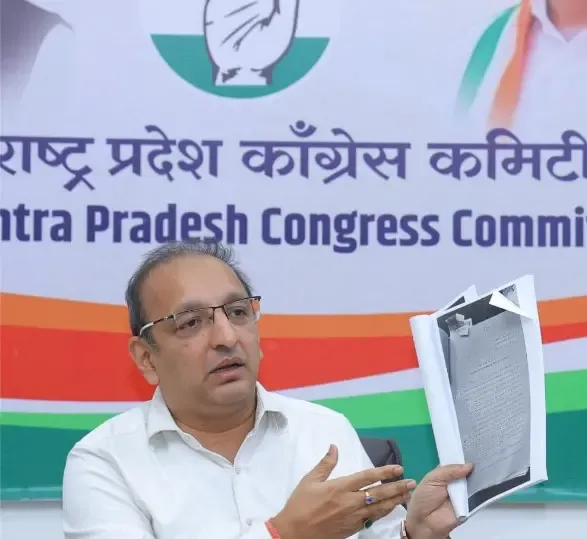
Congress National Secretary Sachin Sawant challenged Shinde's Shiv Sena at a Mumbai press conference on 19 November 2026 .
Sawant cited former RSS chief M S Golwalkar's book 'Bunch of Thoughts' , which reportedly called Savarkar a 'traitor' ( rashtradrohi ).
He also referenced former BJP leader Arun Shourie's book 'The New Icon: Savarkar and the Facts' as a comparable critical text.
The controversy was triggered by Sonia Gandhi's memoir 'Belonging: A Journey of Love' , which references Savarkar's ten mercy petitions to British authorities.
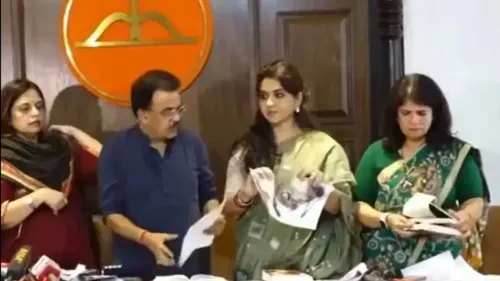
Five Shiv Sena spokespersons publicly tore pages of the book and demanded a ban; Sawant alleged they lacked understanding of constitutional freedom of expression.
Sawant alleged Satyaki Savarkar, in the Pune defamation case against Rahul Gandhi , acknowledged the ten mercy petitions .
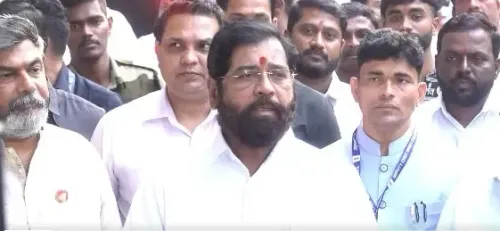
Congress National Secretary and Telangana co-in-charge Sachin Sawant on Thursday, 19 November 2026, launched a pointed counterattack against the Eknath Shinde-led Shiv Sena over its protests against Congress Parliamentary Party Chairperson Sonia Gandhi's memoir 'Belonging: A Journey of Love', challenging the ruling party to also tear up books by former Rashtriya Swayamsevak Sangh (RSS) chief M S Golwalkar and former Bharatiya Janata Party (BJP) leader Arun Shourie that contain critical assessments of Vinayak Damodar Savarkar.
The Core Challenge
Addressing a press conference in Mumbai, Sawant argued that Shinde's Sena was selectively weaponising Savarkar's legacy for political convenience. He pointed out that the second RSS chief, M S Golwalkar, had in his book 'Bunch of Thoughts' criticised Savarkar's brand of Hindutva as negative and reportedly described him as a 'traitor' (rashtradrohi). Sawant asked whether the Shiv Sena would tear up Golwalkar's book and exit the ruling MahaYuti coalition — which is ideologically aligned with the RSS.
He similarly questioned whether the party would also destroy former BJP leader Arun Shourie's book 'The New Icon: Savarkar and the Facts', which, he said, examines historical records and claims regarding Savarkar. 'If their outrage is principled, it should be consistent,' Sawant argued, according to reports.
Attack on Shinde Sena's Credibility
Sawant directed sharp criticism at the five Shiv Sena spokespersons who publicly tore pages of Sonia Gandhi's memoir and demanded a ban on it. He alleged that these individuals had migrated from other political parties, lacked an independent ideology, and demonstrated little understanding of constitutional freedom of expression. He also alleged that the Shinde-led Sena's politics revolved primarily around what he called 'khokes' (cash boxes) — a reference to what Congress alleges are transactional political motivations.
Sonia Gandhi's Book and the Savarkar Reference
Sawant defended Sonia Gandhi's passing reference to Savarkar on page 201 of 'Belonging: A Journey of Love', saying it reflects historical reality and aligns with her lifelong political commitment to Mahatma Gandhi's principles of truth and non-violence. The memoir has sparked political controversy in Maharashtra, particularly over its references to Savarkar's mercy petitions to British colonial authorities and the historical role of the RSS.
Sawant also cited the defamation case filed by Savarkar's relative Satyaki Savarkar against Rahul Gandhi in a Pune court, claiming Satyaki had in those proceedings acknowledged that Savarkar submitted ten mercy petitions (mafinamas). He said the case touched upon issues including the 'Veer' title, mercy petitions, pensions, the formation of ministries with the Muslim League, and links to the context of Mahatma Gandhi's assassination.
Protests and Counter-Protests in Maharashtra
The row erupted after Shiv Sena spokespersons and workers staged demonstrations in Mumbai, tearing pages from Sonia Gandhi's book, demanding a ban, and seeking an apology from Shiv Sena (UBT) chief Uddhav Thackeray. The protests drew sharp counter-pushback from Congress and Shiv Sena-UBT leaders, with the demonstrations also generating controversy over circulating images from the event.
Sawant argued that the real disrespect toward Savarkar comes from right-wing quarters, noting that Shinde's Sena remains in power alongside the RSS-backed camp despite what he termed harsher critiques in Golwalkar's and Shourie's own writings. He added that demands for a Bharat Ratna for Savarkar and politics conducted in his name amount to insulting the leader's legacy rather than honouring it.
What Comes Next
The dispute is likely to intensify the political fault lines in Maharashtra, where the Savarkar legacy remains a deeply contested electoral issue. With the MahaYuti coalition under scrutiny and the opposition Maha Vikas Aghadi seeking to consolidate its narrative, Congress's escalation of the debate — by invoking Golwalkar and Shourie — signals a deliberate effort to widen the contradiction within the ruling alliance ahead of any future electoral contest.
Point of View
Or concede the charge of selective political theatre. What mainstream coverage underplays is that this debate is not really about Sonia Gandhi's memoir; it is a proxy war over who owns the Savarkar narrative in Maharashtra, where the legacy carries direct electoral weight. The Golwalkar citation is particularly pointed: demanding that an RSS-aligned ruling coalition condemn its own second chief's writings is a rhetorical trap more than a genuine demand. The real question is whether this escalation shifts voter perception on the Savarkar issue, or merely adds noise to an already crowded political calendar in the state.
NationPress
19 Nov 2026
Frequently Asked Questions
Why did Congress challenge Shinde's Shiv Sena over Golwalkar and Arun Shourie's books?
Congress National Secretary Sachin Sawant challenged Shinde's Shiv Sena to tear up RSS chief M S Golwalkar's 'Bunch of Thoughts' and Arun Shourie's 'The New Icon: Savarkar and the Facts' — both of which contain critical assessments of Savarkar — arguing that the party's outrage over Sonia Gandhi's memoir was selective and politically motivated.
What did Sonia Gandhi's memoir 'Belonging: A Journey of Love' say about Savarkar?
Sonia Gandhi's memoir contains a passing reference to Savarkar on page 201, touching on his mercy petitions to British colonial authorities and the historical role of the RSS. Congress says the reference reflects historical reality aligned with Mahatma Gandhi's principles of truth and non-violence.
What protests did Shinde's Shiv Sena stage over the book?
Five Shiv Sena spokespersons and party workers staged demonstrations in Mumbai, publicly tearing pages from Sonia Gandhi's memoir, demanding a ban on the book, and seeking an apology from Shiv Sena (UBT) chief Uddhav Thackeray. The protests drew counter-demonstrations from Congress and Shiv Sena-UBT leaders.
What is the significance of the Pune defamation case mentioned by Sachin Sawant?
Sawant claimed that in the defamation case filed by Satyaki Savarkar — a relative of Vinayak Damodar Savarkar — against Rahul Gandhi in a Pune court, Satyaki had acknowledged that Savarkar submitted ten mercy petitions (mafinamas). Sawant used this to argue that the historical facts cited in Sonia Gandhi's memoir are not in dispute even within the Savarkar family's own legal filings.
What did M S Golwalkar write about Savarkar in 'Bunch of Thoughts'?
According to Congress leader Sachin Sawant, former RSS chief M S Golwalkar's book 'Bunch of Thoughts' criticised Savarkar's brand of Hindutva as negative and reportedly described him as a 'traitor' (rashtradrohi). Sawant cited this to argue that far harsher criticism of Savarkar exists within the ideological family that Shinde's Sena is aligned with.