Delhi e-rickshaw fire kills 4; Malhotra seeks charging policy
Synopsis
A battery charging at home turned a Vishwas Nagar house into a death trap, killing four. Delhi BJP chief Harsh Malhotra now wants discoms to offer safe, affordable charging points. He argues that cheap residential power is pushing e-rickshaw operators into risky makeshift set-ups across the capital.
Key Takeaways
An e-rickshaw battery fire in Vishwas Nagar , Shahdara , killed four people and injured two early on 29 November 2026 .
The Delhi Fire Service got the call at around 4:13 am and sent three tenders.
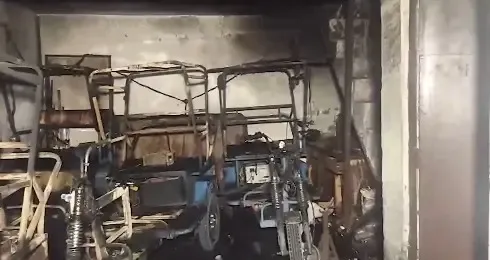
The blaze began on the ground floor of a 60-square-yard house used as an e-rickshaw charging station, trapping six people upstairs.
The victims were taken to Hedgewar Hospital ; four died on the way, police said.
Delhi BJP President Harsh Malhotra urged discoms to frame a policy for safe charging points at affordable rates.
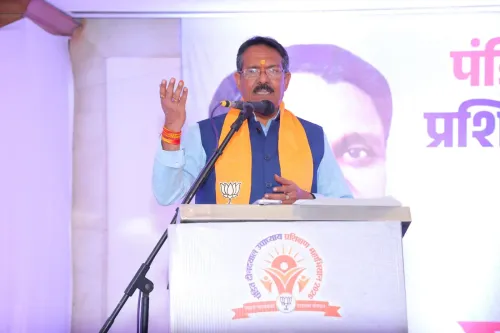
Delhi Bharatiya Janata Party (BJP) President Harsh Malhotra on Sunday, 29 November 2026, urged the city's private power distribution companies (discoms) to draft a policy for safe, affordable charging points for e-rickshaw operators. His appeal came hours after an e-rickshaw battery being charged at a house in Vishwas Nagar, East Delhi, caught fire, killing four residents and injuring two others.
Malhotra said makeshift charging set-ups in homes were behind the growing number of battery blasts and fires in residential areas of the national capital.
Key Developments
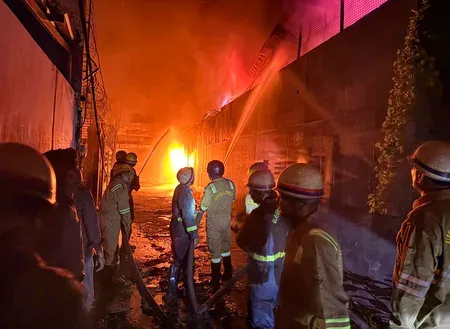
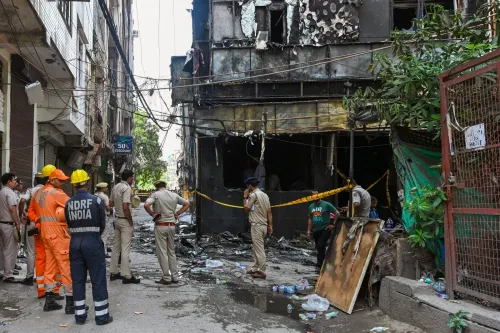
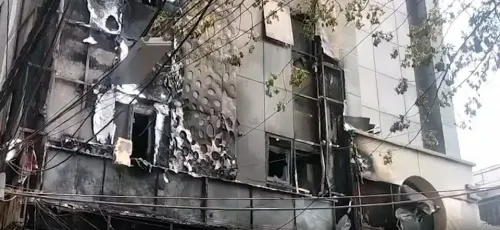
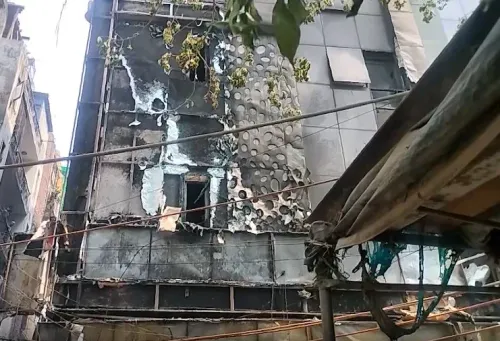
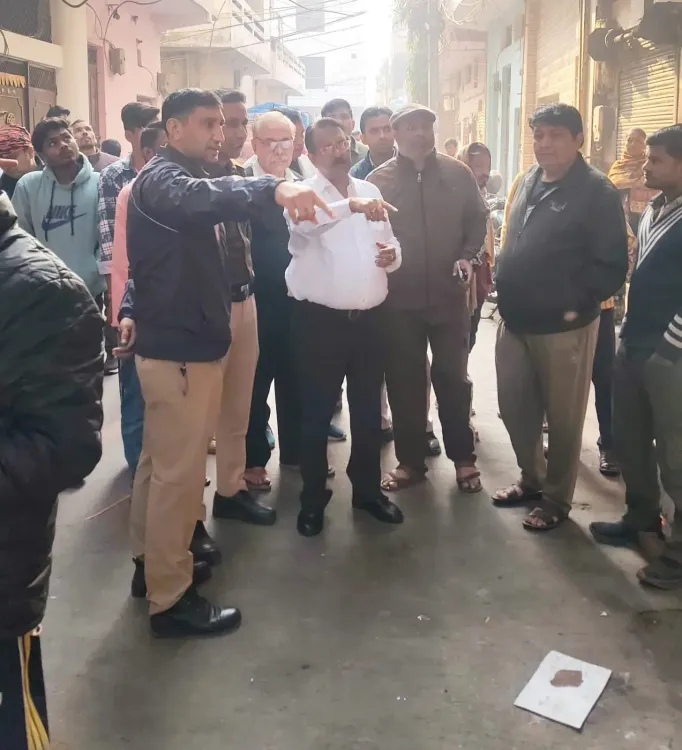
The fire broke out early on Sunday in Gali number-11, near Unity Mall in Vishwas Nagar, in the Shahdara district. The Delhi Fire Service received a call at around 4:13 am and sent three fire tenders to the spot.
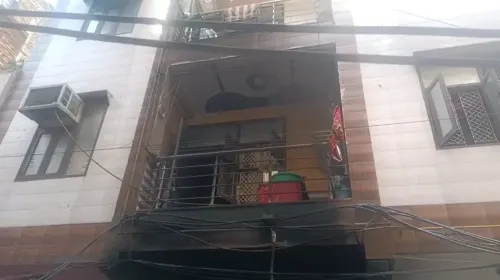
According to officials, the fire started on the ground floor of a 60-square-yard residential property that was being used as an e-rickshaw charging station. As the flames spread upwards, six people were trapped on the upper floors.
Firefighters and neighbours rescued them and took them to Hedgewar Hospital. Police said four of the victims died on the way to the hospital. Reports said the four died of suffocation. The two others suffered burns and are undergoing treatment.
What Malhotra Said
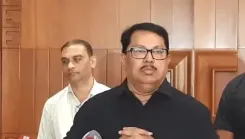
Malhotra is also the Member of Parliament from East Delhi. He visited the house in Vishwas Nagar on Sunday morning and gathered details of the incident from police, fire department personnel and residents.
“The reason behind e-rickshaw battery accidents is that people recharge these batteries at home due to the lure of cheap electricity. Therefore, power discoms should consider a policy to provide them safe charging points at affordable rates,” he said.
He expressed grief over the four deaths. He described rising e-rickshaw battery accidents as a matter of concern and said people themselves must exercise caution to prevent such incidents.
Why the Issue Matters
Malhotra noted that e-rickshaws have become an important means of last-mile connectivity in Delhi. Many operators are low-income drivers, and their vehicles depend on batteries that must be recharged every day.
According to Malhotra, cheaper residential electricity draws operators to charge at home rather than at dedicated facilities. Notably, the property in Vishwas Nagar was functioning as a charging station on its ground floor, with residents living on the floors above. This is the kind of arrangement his proposal seeks to discourage.
His appeal shifts part of the focus to the discoms. Any affordable, purpose-built charging network would require their participation on tariffs and infrastructure.
What Happens Next
The discoms have not yet publicly responded to Malhotra's suggestion. Police and fire officials are examining the circumstances of the blaze. The two injured residents remain in treatment.
The tragedy is likely to sharpen scrutiny of unregulated e-rickshaw charging in Delhi's dense residential neighbourhoods. Whether discoms, regulators and the city administration act on the demand for safer, cheaper alternatives remains to be seen.
Point of View
Affordable charging infrastructure they need. Until tariffs, licensing and fire-safety inspections are aligned, appeals alone are unlikely to prevent the next tragedy.
NationPress
29 Nov 2026
Frequently Asked Questions
What happened in the Vishwas Nagar e-rickshaw fire?
An e-rickshaw battery being charged on the ground floor of a house in Vishwas Nagar, East Delhi, caught fire early on 29 November 2026. Four people died and two were injured after six residents were trapped on the upper floors.
What did Harsh Malhotra demand after the fire?
Delhi BJP President Harsh Malhotra urged private power discoms to draft a policy providing safe charging points to e-rickshaw operators at affordable rates. He said people charge batteries at home because of cheap electricity.
Where were the victims taken for treatment?
Firefighters and neighbours rescued the six trapped residents and took them to Hedgewar Hospital. Police said four died on the way, while two with burn injuries are undergoing treatment.
Why are e-rickshaw battery fires a concern in Delhi?
E-rickshaws are a key mode of last-mile connectivity in Delhi, and many operators charge batteries at makeshift set-ups in homes. Malhotra called the rising number of such battery accidents a matter of concern.