Delhi CM Rekha Gupta orders free water on 3,000 DTC buses amid heatwave
Synopsis
As Delhi's heatwave intensifies, Chief Minister Rekha Gupta has mobilised the city's entire public transport network — deploying Jaldoots at 23 terminals and stocking 3,000 buses with free water — while simultaneously activating 339 health centres, 30 cool rooms, and 330 standby ambulances. It is the most expansive summer heat response the capital has seen under her administration.
Key Takeaways
Delhi CM Rekha Gupta directed DTC to deploy "Jaldoots" at 23 major bus terminals on 1 May 2025 .
Free 200 ml packaged water glasses and pouches will be available aboard approximately 3,000 DTC buses .
More than 339 health centres across Delhi have been stocked with ORS, ice packs, and related supplies.
Over 30 hospitals now have dedicated 'cool rooms' for heatstroke management.
330 ambulances are on standby and 174 medical officers and ASHA workers trained for heat-related emergencies.
Schools have been directed to introduce a 'water bell' system to prevent student dehydration.
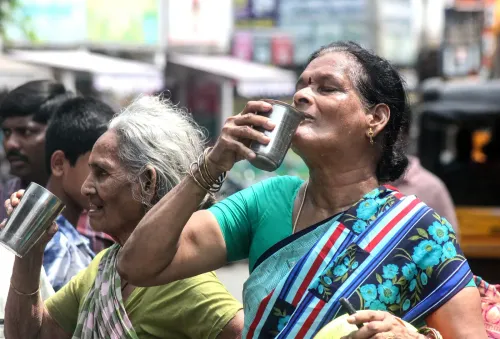
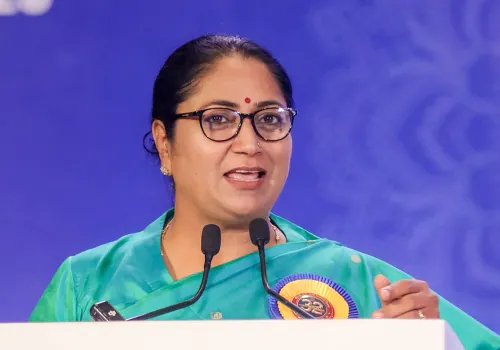
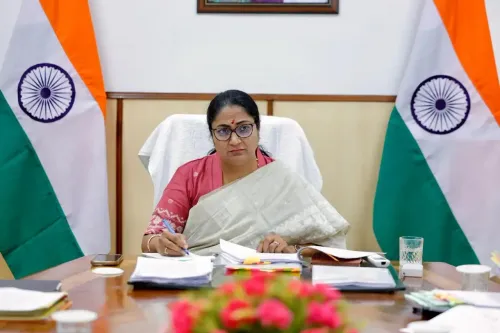
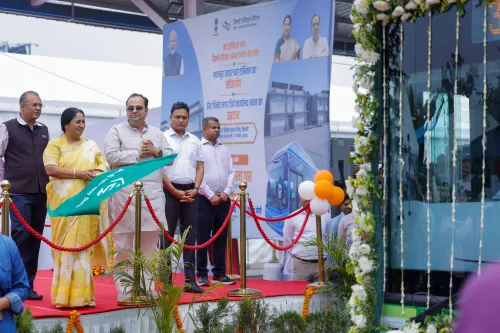
Delhi Chief Minister Rekha Gupta on Friday, 1 May directed Delhi Transport Corporation (DTC) officials to deploy "Jaldoots" at 23 major bus terminals across the capital, providing free drinking water to commuters and staff as part of the city's Heatwave Action Plan. The directive, issued alongside Transport Minister Pankaj Kumar Singh, extends the initiative to approximately 3,000 moving DTC buses citywide.
What the Jaldoot Initiative Covers
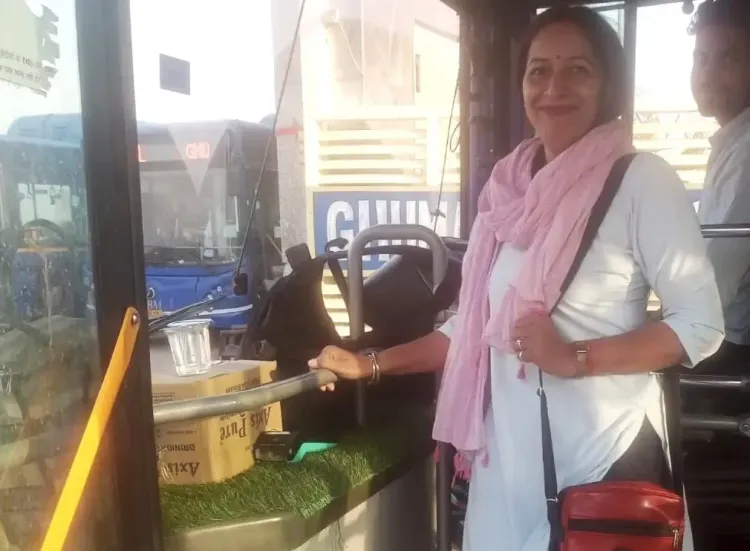
Under the expanded scheme, DTC will distribute 200 ml packaged water glasses and pouches aboard its fleet of 3,000 buses operating across New Delhi. Static water dispensers have also been installed at selected terminals to ensure both passengers and staff remain hydrated throughout the day. The "Jaldoot" programme was first launched last year on the direction of Transport Minister Singh, and reportedly received an overwhelmingly positive public response during peak summer conditions.
Building on that success, the government has significantly expanded the initiative's outreach this year. According to an official statement, the effort reflects DTC's continued commitment to public service and passenger welfare, especially during adverse weather conditions.
Broader Heatwave Action Plan in Delhi
The free water drive is one component of a wider citywide response to the ongoing heatwave. Chief Minister Gupta has also directed all hospitals to ensure adequate bed capacity for heat-related cases and that every ambulance is equipped with essential facilities to handle heat emergencies.
According to official figures, more than 339 health centres across Delhi have been stocked with ORS, ice packs, and related supplies. Over 30 hospitals now have dedicated 'cool rooms' for heatstroke management, while 174 medical officers and ASHA workers have been trained to handle heat-related illnesses. Additionally, 330 ambulances have been kept on standby for emergency response.
Schools and Public Awareness Measures
Gupta has called for a comprehensive citywide awareness campaign to educate residents on preventive measures. Schools have been instructed to introduce a 'water bell' system, prompting students to drink water at regular intervals to prevent dehydration during the summer months.
The DTC has also appealed to all passengers to stay adequately hydrated, remain cautious during the heatwave, and avoid unnecessary exposure to direct sunlight during peak afternoon hours.
Who Is Most Affected
Daily commuters — particularly those relying on public transport — are among the most vulnerable to extreme heat exposure. The Jaldoot initiative targets this group directly, providing immediate hydration relief at terminals and aboard buses. This comes amid a broader pattern of Indian cities scaling up heat action plans as summer temperatures continue to break records in northern India.
With heatwave conditions expected to persist, authorities are likely to further intensify monitoring of health centres and ambulance readiness in the coming weeks.
Point of View
But it also underscores a structural gap: Delhi's public transport users — overwhelmingly lower-income daily wage workers — have no alternative but to endure peak afternoon heat on buses and at terminals. Free water is relief, not a solution. The real question is whether the Heatwave Action Plan's hospital and ambulance preparedness will hold if temperatures spike sharply, given that Delhi's public health infrastructure has historically struggled under sudden surge demand. The 'water bell' in schools is a welcome nudge, but awareness campaigns without enforcement rarely shift behaviour at scale.
NationPress
19 Sept 2026
Frequently Asked Questions
What is the Jaldoot initiative by Delhi's DTC?
The Jaldoot initiative deploys personnel at major bus terminals to provide free drinking water to commuters and staff. First launched last year, it has been expanded in 2025 to cover 23 bus terminals and approximately 3,000 moving DTC buses, with 200 ml packaged water glasses and pouches distributed aboard.
Why has Delhi activated its Heatwave Action Plan?
Delhi activated its Heatwave Action Plan in response to intensifying summer heat conditions that pose serious health risks, particularly to daily commuters and vulnerable populations. The plan covers hydration drives, hospital preparedness, ambulance deployment, and public awareness campaigns.
How many hospitals in Delhi have cool rooms for heatstroke?
More than 30 hospitals across Delhi now have dedicated 'cool rooms' specifically for heatstroke management. Additionally, over 339 health centres have been stocked with ORS, ice packs, and related supplies.
Who directed the free water initiative for DTC commuters?
Delhi Chief Minister Rekha Gupta and Transport Minister Pankaj Kumar Singh jointly directed DTC officials to implement the expanded Jaldoot initiative and other heatwave safeguards on 1 May 2025.
What precautions has Delhi advised for residents during the heatwave?
Delhi authorities have advised residents to stay adequately hydrated, avoid unnecessary exposure to direct sunlight during peak afternoon hours, and follow guidance from the citywide awareness campaign. Schools have also been asked to use a 'water bell' system to remind students to drink water regularly.