Delhi court sets aside order blocking FIR on Sonia Gandhi electoral roll case

Synopsis
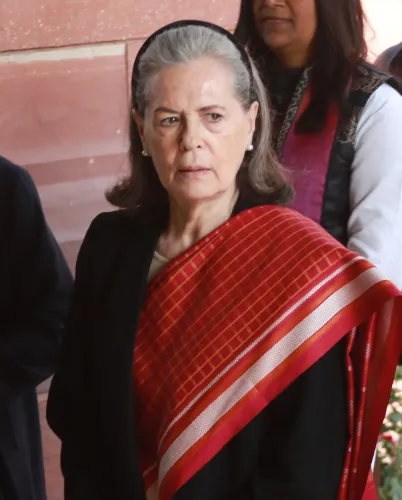
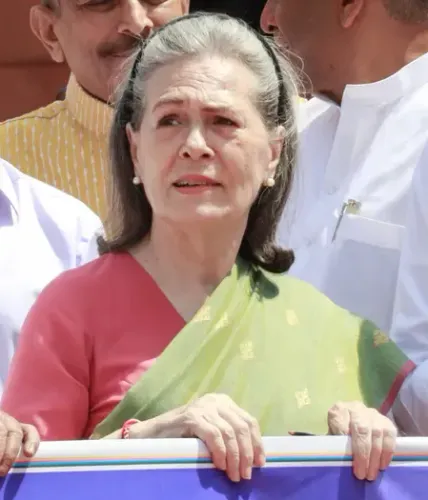
A Delhi special court has reopened a politically charged legal battle by setting aside a magisterial order that had blocked an FIR over allegations that Sonia Gandhi's name was fraudulently included in electoral rolls before she acquired Indian citizenship in 1983. The ACJM must now pass a fresh, reasoned order by 29 September — a ruling that could have significant legal and political reverberations.
Key Takeaways
Special Judge Vishal Gogne on 21 September 2026 set aside a magisterial order refusing to direct an FIR over alleged fraudulent inclusion of Sonia Gandhi's name in electoral rolls.
The ACJM has been directed to pass a fresh, reasoned order after hearing parties and the police officer; next hearing listed on 29 September .
The case was filed by advocate Vikas Tripathi , alleging Gandhi's name appeared in voter lists before she acquired Indian citizenship in 1983 .
The magisterial court had earlier cited Article 329 of the Constitution and judicial restraint in electoral matters to dismiss the complaint.
Gandhi's counsel called the allegations politically motivated, baseless, and founded on misleading facts.
A Delhi court on Monday, 21 September 2026, set aside a magisterial order that had refused to direct the registration of an FIR over allegations of fraudulent inclusion of Congress leader Sonia Gandhi's name in electoral rolls, remanding the matter for fresh consideration. The ruling reopens a politically sensitive legal challenge that questions whether Gandhi's name appeared in voter lists before she acquired Indian citizenship in 1983.
What the Court Ordered
Special Judge Vishal Gogne directed the Additional Chief Judicial Magistrate (ACJM) concerned to pass a fresh, reasoned order after hearing both parties, conducting the requisite enquiry, and hearing the police officer concerned. The matter has been listed before the ACJM on 29 September.
The court held that the earlier magisterial order amounted to a 'complete non-application of mind,' noting that the ACJM had passed a non-speaking order without adequately addressing whether a cognisable offence was prima facie disclosed. The Special Judge observed that allegations relating to tampering with or fraudulent inclusion of a voter's or non-citizen's name in an electoral roll merit reasoned consideration as to whether offences such as forgery or cheating are prima facie made out.
Background of the Case
The proceedings stem from a criminal revision petition filed by advocate Vikas Tripathi, who challenged the magisterial court's earlier refusal to order an FIR and investigation. Tripathi's counsel had argued during earlier proceedings that electoral records prima facie indicated Gandhi's name had appeared in the voter list before she acquired Indian citizenship, and that the circumstances warranted an inquiry into alleged forgery, fabrication, and fraudulent declarations.
The original magisterial court had dismissed the complaint on two grounds: first, that the judiciary could not embark upon an enquiry resulting in unwarranted transgression into fields entrusted to constitutional authorities; and second, by invoking Article 329 of the Constitution, which restricts judicial interference in electoral matters except through election petitions.
Sonia Gandhi's Defence
Counsel representing Sonia Gandhi opposed the revision petition before the Special Judge, arguing that the allegations were politically motivated, baseless, and founded on incorrect and misleading facts. The defence contention was that the complaint lacked legal and factual merit and should not be permitted to proceed to an FIR stage.
Legal and Political Significance
The case carries considerable political weight, given that Sonia Gandhi has been a dominant figure in the Indian National Congress (INC) for decades and served as Chairperson of the United Progressive Alliance (UPA) during two successive governments. Critics have long raised questions about her Italian origins and the timeline of her Indian citizenship, though courts have previously declined to entertain related challenges on similar grounds.
This comes amid a broader pattern of legal proceedings targeting opposition figures ahead of electoral cycles, a trend that both the ruling dispensation and opposition parties have accused each other of engineering. The fresh hearing on 29 September will determine whether the ACJM, with proper application of mind, finds sufficient prima facie grounds to direct an FIR — a threshold that remains legally significant but does not constitute a finding of guilt.
Point of View
Not for reaching the wrong conclusion — but its political symbolism is anything but narrow. The allegations against Sonia Gandhi on citizenship and electoral rolls have circulated for decades and have consistently failed to produce evidence that courts found sufficient. The real question is whether the fresh ACJM hearing produces a reasoned dismissal that forecloses further revision, or whether the case becomes a recurring political instrument. Article 329's bar on judicial interference in electoral matters was the most substantive shield the magistrate invoked; the Special Judge's order does not dismantle that bar, it merely demands the magistrate engage with it analytically. That distinction matters enormously for where this goes next.
NationPress
21 Sept 2026
Frequently Asked Questions
What did the Delhi court decide in the Sonia Gandhi electoral roll FIR case?
Special Judge Vishal Gogne set aside a magisterial court's earlier order that had refused to direct registration of an FIR over allegations that Sonia Gandhi's name was fraudulently included in electoral rolls. The court remanded the matter to the ACJM for fresh, reasoned consideration, with the next hearing scheduled on 29 September.
What are the core allegations in the case against Sonia Gandhi?
Petitioner advocate Vikas Tripathi has alleged that Sonia Gandhi's name appeared in voter lists before she acquired Indian citizenship in 1983, and that this amounted to forgery, fabrication, and fraudulent declarations. Gandhi's legal team has called the allegations politically motivated and factually incorrect.
Why had the magisterial court refused to register the FIR earlier?
The earlier magisterial court dismissed the complaint on two grounds: that it would constitute judicial transgression into domains entrusted to constitutional authorities, and that Article 329 of the Constitution bars courts from interfering in electoral matters except through election petitions.
What does the Special Judge's order mean legally?
The order means the ACJM must now hold a proper hearing, conduct the required enquiry, and pass a speaking order explaining whether offences such as forgery or cheating are prima facie made out. It is not a direction to register an FIR — it is a direction to decide the question with proper application of mind.
Who is Vikas Tripathi in this case?
Vikas Tripathi is the advocate who filed the criminal revision petition challenging the magisterial court's refusal to order an FIR and investigation into the electoral roll allegations concerning Sonia Gandhi.