Delhi Police reunite 194 missing persons with families in April under Operation Milap
Synopsis
In a single month, Delhi Police's South-West District traced 194 missing persons — including 45 children — under Operation Milap, pushing the year's total to 542. The results highlight how CCTV sweeps, local intelligence, and specialised units like the AHTU are quietly delivering one of the capital's most impactful humanitarian policing drives.
Key Takeaways
Delhi Police reunited 194 missing persons — 45 children and 149 adults — with their families in April 2026 under Operation Milap .
Since January 2026 , a total of 542 missing persons , including 143 minor children , have been traced in the South-West District .
The Anti-Human Trafficking Unit (AHTU) alone traced 14 missing or kidnapped minor children in April.
The District Missing Persons Unit (DMPU) traced six minor girls and 53 adults during the same period.
Police Station Kapashera recorded the highest individual station count, tracing 29 missing persons including eight minor children.
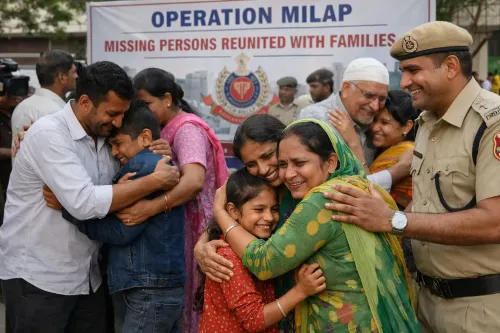
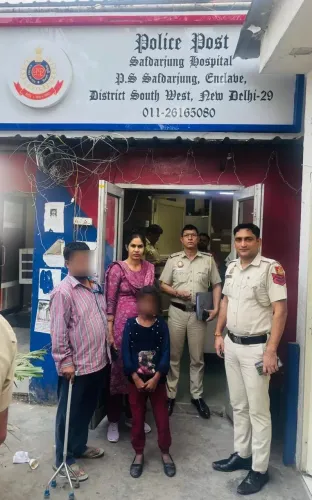
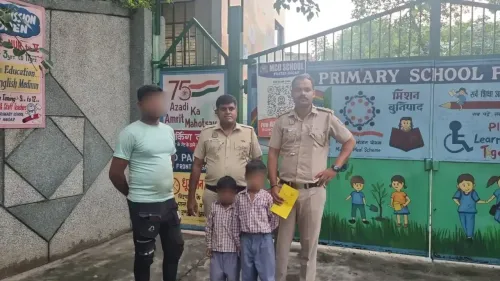
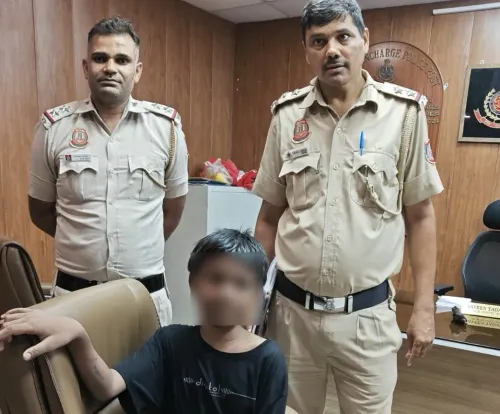
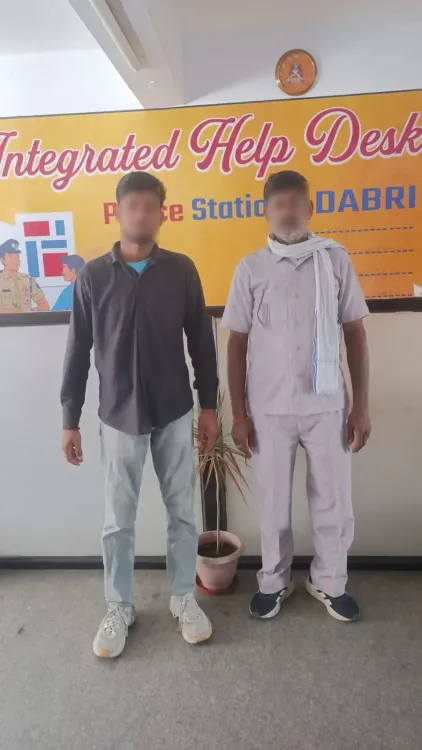
Delhi Police reunited 194 missing persons — including 45 children and 149 adults — with their families between 1 April and 30 April 2026, under the ongoing 'Operation Milap' in the South-West District. The month-long drive involved special teams, CCTV scanning, and intelligence from local informers across the district.
Scale of the Operation
Since the start of the year, 542 missing persons — comprising 143 minor children and 399 adults — have been traced and reunited with their families in the South-West District alone, according to police. The April figures represent a significant single-month contribution to that cumulative total.
Officials stated that prompt and coordinated action was initiated in every reported case. Special teams were deployed immediately, conducting extensive local enquiries, scanning CCTV footage, and circulating photographs of missing individuals at auto stands, e-rickshaw stands, bus terminals, and railway stations.
Methods Used to Trace Missing Persons
Enquiries were conducted with bus drivers, conductors, vendors, and other local stakeholders to track the movements of the missing individuals. Local informers were also engaged to gather intelligence. Records of nearby police stations and hospitals were meticulously examined to ensure no lead was overlooked, officials added.
Notably, specialised units played a pivotal role. The Anti-Human Trafficking Unit (AHTU) of the South-West District traced 14 missing or kidnapped minor children, including seven boys and seven girls. The District Missing Persons Unit (DMPU) traced six missing minor girls along with 53 missing adults, including 25 males and 28 females.
Station-wise Breakdown
Police Station Kapashera recorded the most significant individual station success, tracing eight missing or kidnapped minor children — one boy and seven girls — along with 21 missing adults, including eight males and 13 females. Police Station Delhi Cantt. traced one missing minor boy along with 29 missing adults, including 12 males and 17 females.
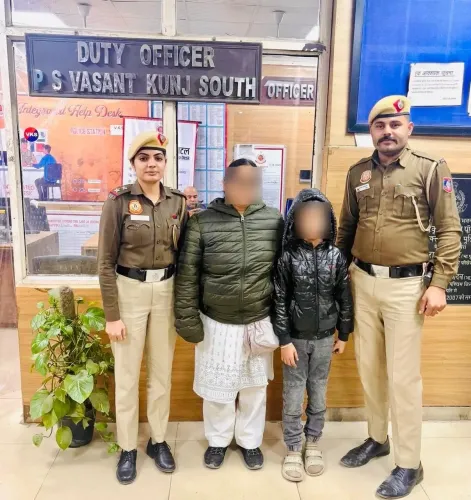
Police Station Vasant Kunj South traced three minor girls along with seven other missing persons. Police Station Sagarpur recovered two missing minor girls and 11 other missing persons. Police Station Vasant Vihar traced three missing minor girls and three missing adult females. Police Station Vasant Kunj North located seven missing persons, including six males and one female.
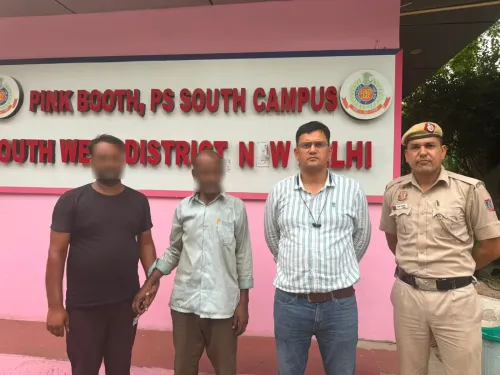
Other contributing stations included Police Station South Campus (two missing or kidnapped minor children), Police Station Palam Village (three minor children and four missing adult females), Police Station Sarojini Nagar (two missing or kidnapped minor children and four others), Police Station Safdarjung Enclave (three missing persons), and Police Station Kishangarh (one missing minor boy and seven others).
What This Reflects
Operation Milap is a sustained humanitarian policing initiative by Delhi Police, designed to address the persistent challenge of missing persons — a category that often intersects with cases of trafficking, runaway minors, and vulnerable adults. The South-West District's results this year suggest a structured, multi-agency approach is yielding measurable outcomes. As the operation continues, police have indicated that coordinated efforts across all stations and specialised units will be maintained.
Point of View
But the more important signal is structural: the South-West District's use of specialised units like the AHTU alongside beat-level intelligence suggests Delhi Police is moving beyond reactive case-handling toward a coordinated missing-persons framework. What mainstream coverage misses is that a significant share of 'missing' cases — particularly minor girls — often intersect with trafficking risk. The AHTU's 14 recoveries in a single month deserve closer scrutiny on outcomes: were these runaways, trafficking victims, or family disputes? That distinction matters enormously for policy. The 542-person annual figure is commendable, but without data on recurrence or root causes, it remains a metric of response, not prevention.
NationPress
24 Sept 2026
Frequently Asked Questions
What is Operation Milap by Delhi Police?
Operation Milap is an ongoing Delhi Police initiative focused on tracing missing and kidnapped persons and reuniting them safely with their families. In the South-West District, it has resulted in 542 persons being traced between January and April 2026.
How many missing persons were reunited in April 2026 under Operation Milap?
Delhi Police reunited 194 missing persons with their families in April 2026, comprising 45 missing or kidnapped children and 149 adults, all from the South-West District.
Which police unit traced the most missing children in April 2026?
The Anti-Human Trafficking Unit (AHTU) of the South-West District traced 14 missing or kidnapped minor children — seven boys and seven girls — making it the top-performing specialised unit for the month.
What methods did Delhi Police use to trace missing persons?
Police deployed special teams, scanned CCTV footage, circulated photographs at auto stands, bus terminals and railway stations, conducted enquiries with local stakeholders, engaged informers, and examined records of nearby police stations and hospitals.
Which police station had the highest recovery count in April 2026?
Police Station Kapashera recorded significant success, tracing eight missing or kidnapped minor children and 21 missing adults — a total of 29 individuals — the highest count among individual stations for April 2026.