What Is the Real Smoke Screen in Delhi’s Pollution Debate?
Synopsis
Every winter, Delhi faces a severe pollution crisis, but the focus on Diwali firecrackers overshadows the true culprits. In this article, we explore the deeper issues behind Delhi's pollution, including road dust, biomass burning, and more, highlighting the urgent need for action.
Key Takeaways
Road dust is a major contributor to Delhi's pollution, accounting for up to 40% of particulate matter.
Vehicle emissions are secondary to dust and other non-vehicular sources.
Biomass burning poses health risks for vulnerable populations during winter.
Stricter enforcement is necessary to phase out diesel generators and biomass burning.
Systemic issues need to be addressed instead of scapegoating cultural practices.
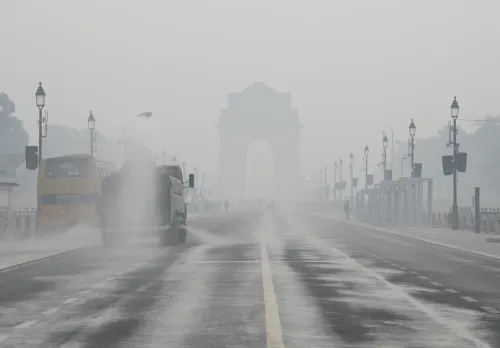
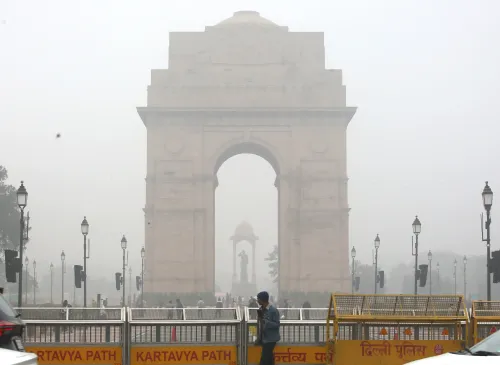
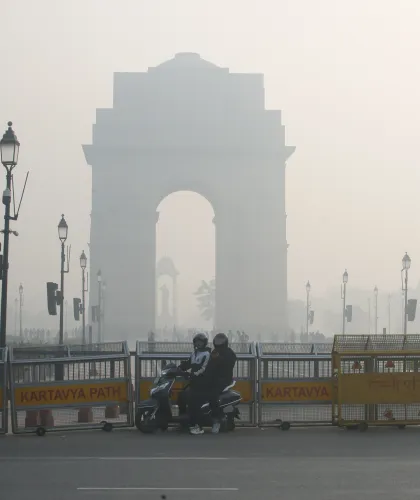
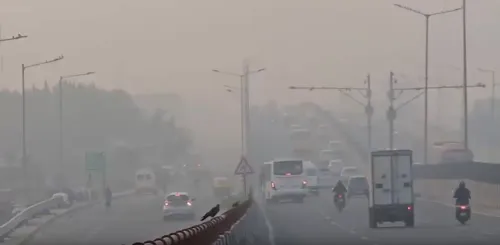
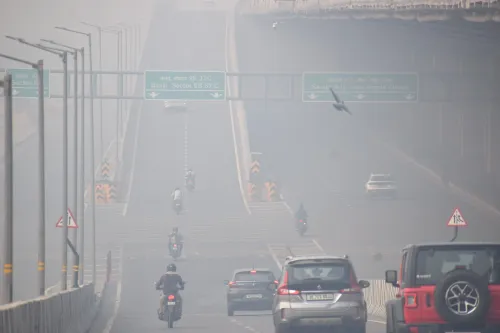
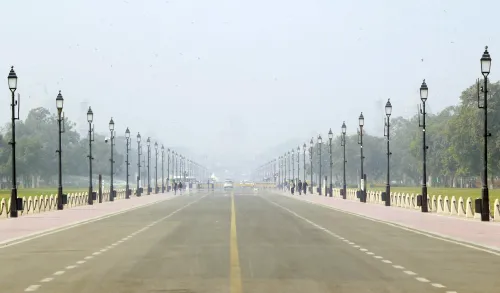
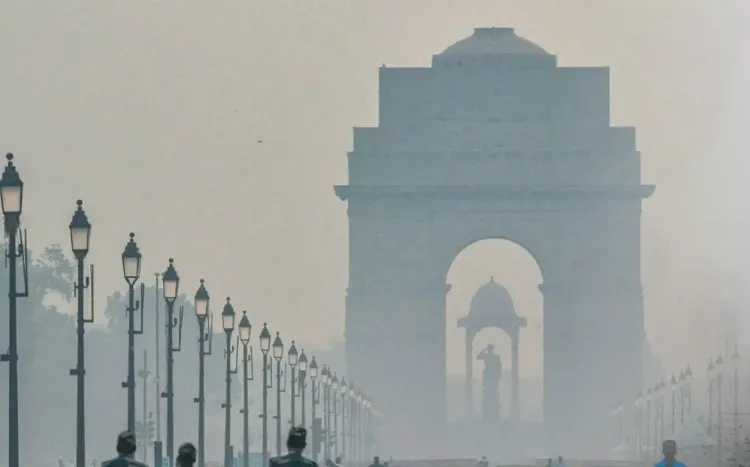
New Delhi, Nov 4 (NationPress) Each winter, New Delhi becomes enveloped in a thick, suffocating fog. The pristine October skies transform into a dull grey almost overnight, and once again, media reports declare: Delhi – the world's pollution epicenter. Schools close, daily life is disrupted, and the predictable blame game commences — with Diwali firecrackers often in the spotlight.
However, as Akhilesh Mishra, CEO of BlueKraft Digital Foundation, emphasizes through comprehensive data analysis, this narrative is a convenient myth. The real culprits behind Delhi’s pollution lie in significant, systemic issues that have long been overlooked. While firecrackers provide an easy target for political and media discussions, Delhi's smog is primarily caused by five major factors: road dust, vehicle emissions, biomass combustion, diesel generators, and seasonal agricultural fires, according to his research.
Road Dust: The Major Offender
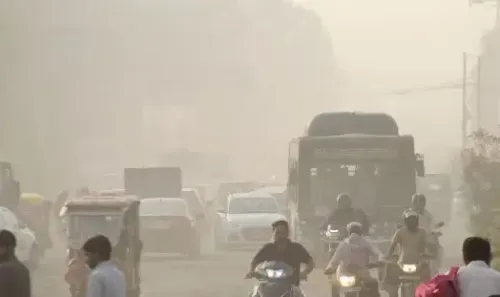
In the streets of Delhi, the largest source of particulate matter isn’t from vehicles — it’s what is beneath our feet. Every cracked pavement, unpaved roadside, and leftover construction debris becomes a dust reservoir. Passing traffic constantly stirs this dust into the atmosphere.
Scientific research consistently indicates that road dust accounts for roughly 40 percent — often even more — of Delhi’s particulate matter pollution, nearly double that of vehicular emissions. Mishra’s findings suggest that if Delhi simply ensured that every roadside was either paved, planted, or properly maintained, particulate pollution could significantly reduce within a single year.
The issue extends beyond air quality; dust creates an unpleasant and unhealthy environment for pedestrians. Commuters emerging from metro stations face the dilemma of either enduring clouds of dust or opting for auto-rickshaws and private vehicles, exacerbating congestion and emissions.
Dusty marketplaces deter customers, adversely affecting the livelihoods of street vendors and widening the socioeconomic divide in public areas. Unkempt, dusty environments quickly turn into dumping grounds, deteriorating urban life. Addressing road dust, Mishra contends, would not only purify Delhi’s air but also restore dignity to its public spaces.
Vehicles: A Secondary Contributor
While the number of vehicles in Delhi is astonishing, their contribution to overall pollution remains secondary compared to dust and external smoke. Transitioning to cleaner fuels, phasing out older vehicles, promoting electric mobility, and enhancing congestion management are vital strategies — yet Mishra’s data-driven analysis clearly indicates that addressing vehicles alone cannot resolve a crisis dominated by non-vehicular pollutants.
Biomass and Waste Burning: The Night-Time Menace
For many of Delhi’s less affluent residents, burning wood, crop residues, or waste is often a necessity — to keep warm during the cold winter nights or to cook when LPG prices are prohibitive. These small fires collectively release substantial amounts of fine particulate matter, particularly harmful during temperature inversions that trap pollutants close to the ground overnight. Hospitals witness the impacts each morning.
Mishra argues that addressing this issue requires governance driven by empathy — not punitive measures, but affordable heating options, reliable waste disposal, and accessible clean energy alternatives for the city’s most vulnerable residents.
Diesel Generators: Ground-Level Pollution
Another silent contributor, as per Mishra, is the diesel generator. These gensets, often utilized even when electricity supply is stable, emit toxic fumes at street level — directly into the air that children inhale in schools or shoppers breathe in markets. Delhi possesses the technology to eliminate this source: solar rooftops, battery storage solutions, and cleaner backup power. What is lacking, Mishra underscores, is a sense of urgency and strict enforcement.
The Farm Fire Tsunami
Annually, for about twenty days, winds carry vast clouds of smoke from crop stubble burning in Punjab and parts of Haryana and western Uttar Pradesh. During this time, stubble smoke can account for up to 50 percent of Delhi’s pollution levels. These short-lived fires create a thick, toxic base that allows other pollutants to accumulate, further deteriorating Delhi’s air quality for months.
The remedies, Mishra notes, are well-established: machinery subsidies, crop residue management systems, residue buy-back programs, and coordinated enforcement. While Haryana and western Uttar Pradesh have shown progress, Punjab needs to act swiftly to avert these annual “smog tsunamis.”
Firecrackers: The Convenient Scapegoat
While Diwali night does result in temporary spikes in air pollution — Mishra points out that what matters most is the long-term persistence. Emissions from firecrackers typically disperse within 12 to 24 hours when winds change. The real disaster unfolds later, as road dust, stubble smoke, and biomass burning take precedence for the ensuing two to three months.
For years, Diwali has been unjustly targeted as the primary cause of Delhi’s pollution. Firecrackers have been part of cultural celebrations for centuries — yet Delhi’s air quality began its rapid decline around 2014–15. The real “new” factor was the shift in Punjab’s crop-burning season, prompted by the 2009 law on delayed paddy transplanting. Rather than confronting this systemic issue, political discourse, Mishra asserts, has opted for symbolic politics — demonizing a festival instead of addressing the genuine sources of pollution.
Delhi Can Breathe Again
According to Mishra, Delhi’s smog is not an inevitable occurrence. It represents a governance failure — and thus, is entirely manageable.
A practical three-tier strategy could rejuvenate Delhi’s air within just a few years:
One year – Eradicate road dust by paving roads, adding greenery, enforcing construction regulations, and utilizing mechanized sweeping.
Two years – Eliminate stubble burning through machinery support, crop residue markets, and cooperative inter-state enforcement.
Three years – Phase out diesel generators, abolish biomass burning with affordable clean energy, and modernize transportation systems.
Delhi’s pollution is man-made — and so is the solution. What is essential now, as Akhilesh Mishra’s analysis reveals, is not symbolic outrage or “secular” blame games, but decisive action, accountability, and sustained reforms in governance — in Delhi and beyond.
Point of View
It is crucial to acknowledge that the pollution crisis in Delhi is not merely a seasonal issue but a reflection of systemic governance failures. The focus should shift from scapegoating cultural practices to addressing the root causes of pollution, fostering an informed dialogue that promotes sustainable solutions for the city.
NationPress
9 Oct 2026
Frequently Asked Questions
What are the primary causes of pollution in Delhi?
The main contributors to pollution in Delhi include road dust, vehicular emissions, biomass burning, diesel generators, and seasonal agricultural fires.
How does road dust affect air quality?
Road dust is a significant source of particulate matter, contributing around 40% of pollution levels. Addressing this could lead to a substantial reduction in overall air quality deterioration.
Is Diwali responsible for Delhi's pollution?
While Diwali firecrackers do cause temporary spikes in pollution, they are not the primary cause of the ongoing air quality crisis in Delhi, which is mainly due to systemic issues.
What can be done to reduce pollution in Delhi?
Effective measures include paving roads, improving waste management, enforcing pollution control for generators, and providing clean energy alternatives.
How can biomass burning be addressed in Delhi?
Empathy-driven governance is needed, focusing on providing affordable heating and clean energy solutions for low-income residents who rely on biomass for warmth and cooking.