K.C. Venugopal Alleges Major Shift in Delimitation Bill by Government
Synopsis
K. C. Venugopal raises alarms over the government's revised delimitation Bill, questioning its implications for representation and population control. With strong opposition from various parties, the timing and intent behind the Bill are under scrutiny.
Key Takeaways
Venugopal raises concerns about the government's alteration of the delimitation Bill.
Allegations of ambiguity regarding representation and census-based allocation.
Opposition parties unite against the proposed changes.
The timing of the Bill's introduction raises questions about its intent.
Potential repercussions for states with effective population control measures.
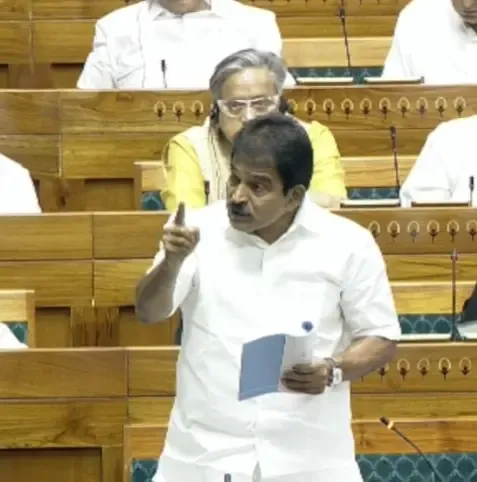
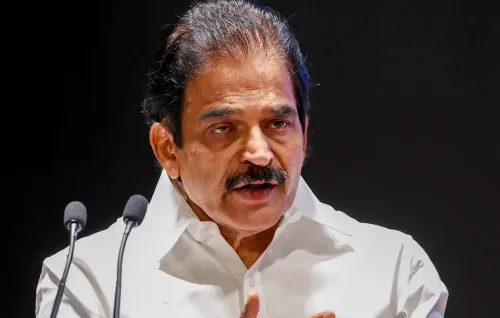
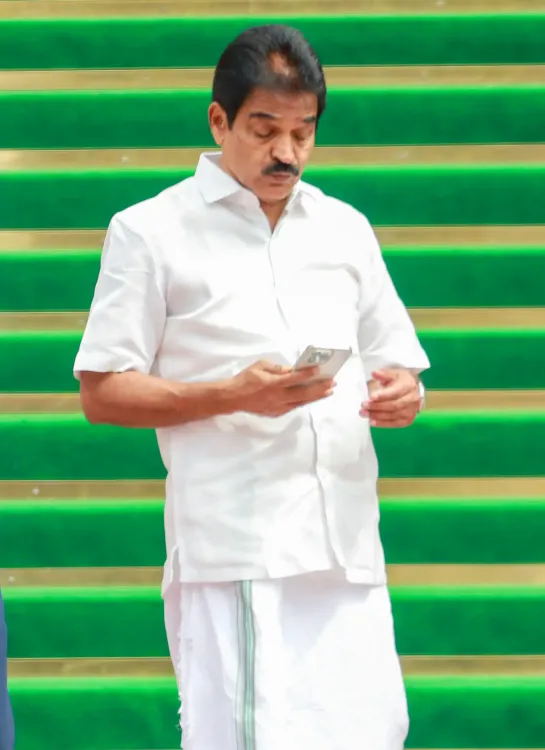
New Delhi, April 15 (NationPress) K. C. Venugopal, the General Secretary of the Congress Party, expressed significant concerns on Wednesday regarding the revised version of the delimitation Bill. He accused the central government of altering its previous stance and creating uncertainty surrounding representation and allocations based on census data.
"The southern states have legitimate and pressing concerns... and it's not just them; several other states are voicing similar issues. Take a look at the latest Bill circulated by the government. Initially, it was stated that each state would receive its own representation. Now, they have completely transformed the Bill, opting to rely on the most recent census," Venugopal informed reporters in New Delhi.
He further probed the potential consequences of this proposal, especially regarding population control.
"The core issue at stake is whether states that have successfully implemented population control measures will face penalties. This is a question resonating with citizens nationwide," he stated.
Venugopal also took issue with the timing of the Bill, highlighting that its introduction coincided with an election period.
"What does it imply when such a crucial Bill is introduced during elections? This raises profound questions about its intent. We will be discussing this matter in-depth today," he added.
Regarding the next steps for the Opposition, he mentioned: "First, the Congress strategy team will convene, followed by a larger gathering of Opposition parties. We will formulate a definitive and organized position on this issue."
In the meantime, a number of Opposition parties, including Congress, Trinamool Congress, DMK, CPI-M, CPI, and AAP, have strongly opposed the delimitation proposal. Others, such as the Samajwadi Party, have questioned the rationale for implementing women's reservation based on the outdated Census 2011 data instead of waiting for the ongoing census.
In response to the Bill, Congress Rajya Sabha Chief Whip Jairam Ramesh criticized its motives, stating: "When a Bill's intent is dubious and its content misleading, the damage to parliamentary democracy can be vast."
CPI-M leader John Brittas echoed similar sentiments, arguing that the proposal could jeopardize the federal structure. "These Bills could spell doom for federal India. Even with a proportional increase in seats, the overall numbers will dramatically shift political power dynamics, putting southern states at a disadvantage," he contended.
The Opposition has accused the government of attempting to push the delimitation Bill under the pretense of implementing the women's reservation Bill. They also pointed out the “sudden” nature of this move, considering the Centre had previously rejected calls to enforce the women’s quota during the 2024 Lok Sabha elections.
The proposed Bill aims to amend the Constitution and will require a two-thirds majority in Parliament. Given the government's current lack of sufficient numbers, the support of Opposition parties will be vital for its passage. However, a further complication is the absence of a quota-within-quota provision for OBC women.
While most Opposition parties support the prompt implementation of the 33% women's reservation, they have raised objections to the suggested nearly 50% increase in Lok Sabha seats. They argue that any expansion must ensure political equity and not merely adhere to a numerical formula.
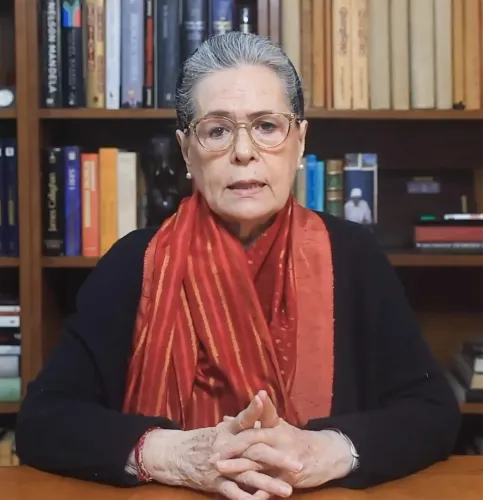
Sonia Gandhi, the Chairperson of the Congress Parliamentary Party, has described the proposal as "extremely dangerous" and an "attack" on the Constitution.
The AAP has stated it would back women’s reservation if applied within the current number of seats but would oppose delimitation. The CPI-M and CPI have also reiterated their objections to the proposal.
Point of View
The scrutiny over the timing and implications of such legislative changes will likely intensify.
NationPress
19 Sept 2026
Frequently Asked Questions
What is the delimitation Bill?
The delimitation Bill proposes to redraw the boundaries of electoral constituencies based on recent census data, impacting representation in Parliament and state legislatures.
Why is the delimitation Bill controversial?
The Bill is controversial due to concerns regarding its timing, potential discrimination against states with effective population control measures, and its implications for political power dynamics.
What are the opposition parties saying about the Bill?
Opposition parties, including Congress and others, have expressed strong opposition, questioning the motives behind the Bill and its potential to alter political representation unfairly.
What are the concerns regarding women's reservation in the context of the Bill?
There are concerns that the government is pushing the delimitation Bill under the guise of implementing women's reservation, leading to questions about fairness and the use of outdated census data.
What does the government need for the Bill to pass?
The proposed Bill requires a two-thirds majority in Parliament for passage, which necessitates support from opposition parties due to the government's current lack of sufficient numbers.