CM Dhami Opens Rajat Jayanti Parks, Flags Off Swachh Drive
Synopsis
On Uttarakhand's 25th statehood day, CM Pushkar Singh Dhami inaugurated Devbhoomi Rajat Jayanti Parks across nine urban bodies, flagged off sanitation vehicles, and outlined a multi-thousand-crore urban infrastructure drive spanning water supply, housing, sanitation, and digital governance.
Key Takeaways
Devbhoomi Rajat Jayanti Parks inaugurated in 9 nagar nikays across Dehradun, Haridwar, Udham Singh Nagar, and Uttarkashi districts.
7 development schemes worth over Rs 36 crore launched and foundation-stoned in Dehradun district.
8 garbage-collection vehicles flagged off; all 108 nagar nikays are now ODF; over 90% urban waste scientifically processed.
Rs 1,375 crore urban sanitation plan underway for 107 nagar nikays, including 27 sewage and sludge treatment plants .
AMRUT Phase 1 near-complete with 72,000+ homes tapped; AMRUT 2.0 targeting 40,000 more homes at Rs 650 crore.
62,000+ PMAY-Urban houses sanctioned; 3 lakh+ residents served through 114 urban Ayushman Arogya Mandirs.
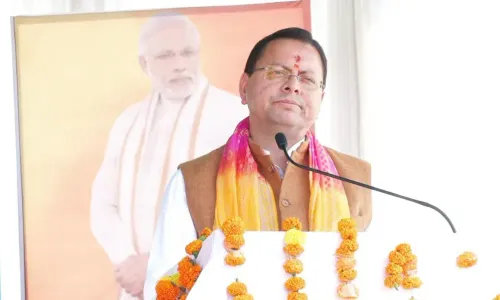
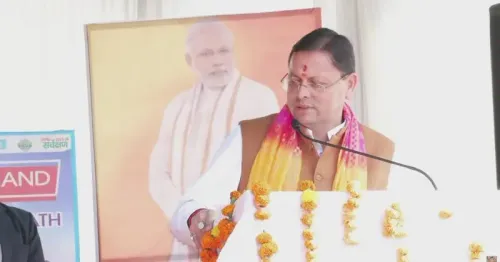
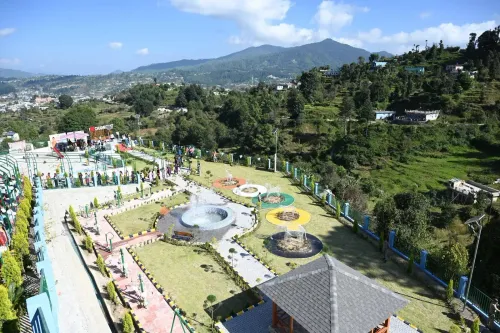
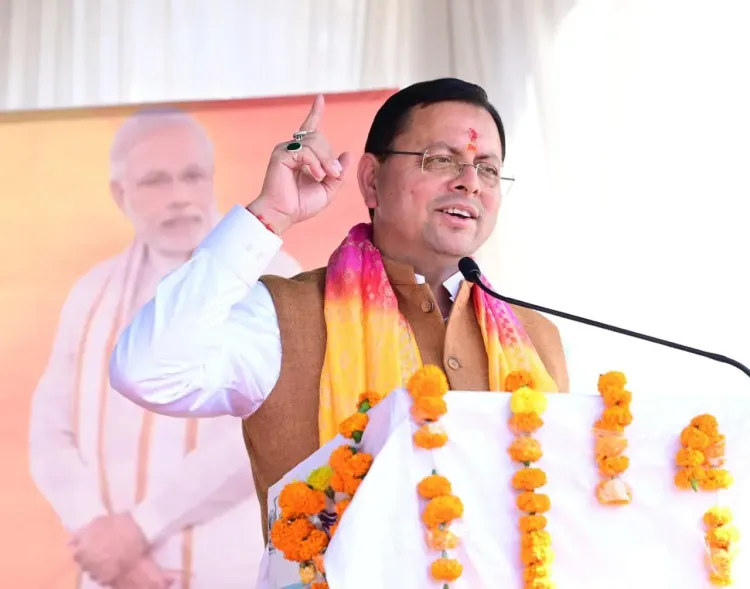
Where garbage dumps and overgrown thickets once marked the edges of Uttarakhand's towns, landscaped community parks are taking their place — and Chief Minister Pushkar Singh Dhami made that transformation the centrepiece of a sweeping urban development event in Rishikesh on Tuesday, 10 November 2026, coinciding with the state's silver jubilee statehood day.
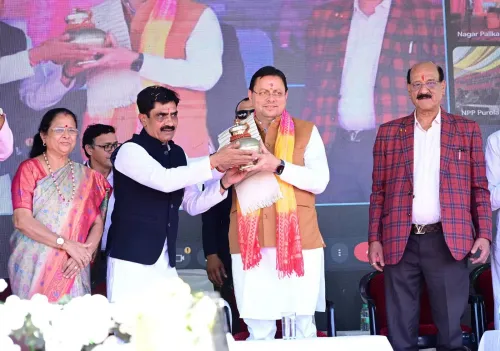
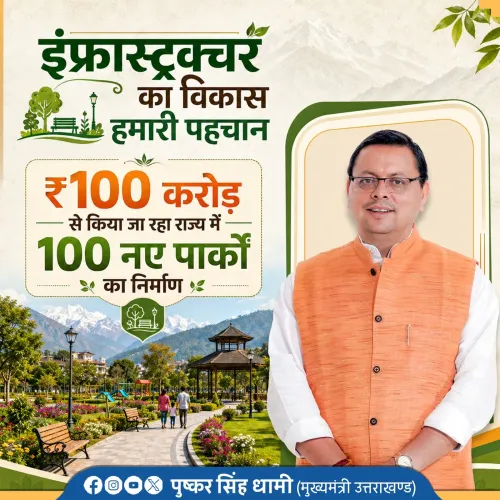
At a ceremony held in Chandreshwar Nagar, Rishikesh, the Chief Minister's Office of Uttarakhand announced that Dhami inaugurated and laid the foundation stones for a cluster of urban projects, dedicating Devbhoomi Rajat Jayanti Parks in nine urban local bodies spread across Dehradun, Haridwar, Udham Singh Nagar, and Uttarkashi districts to the public. He also launched and laid the groundwork for 7 development schemes worth over Rs 36 crore in Dehradun district alone.
Turning Waste Grounds Into Community Spaces
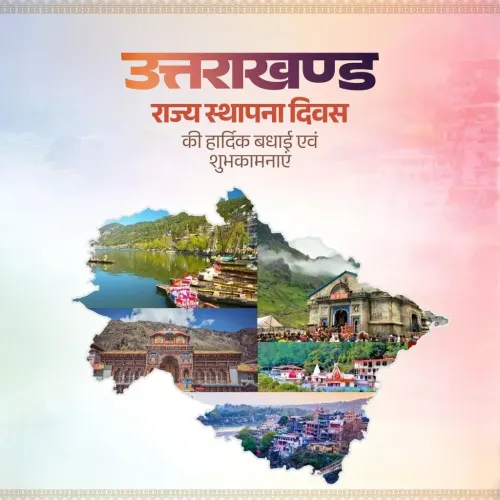
The Devbhoomi Rajat Jayanti Parks were conceived as a direct expression of a pledge the state government took at the start of the silver jubilee year: that the 25th anniversary of Uttarakhand's formation on 9 November 2000 would be remembered not through ceremonies alone, but through visible development on the ground. Dhami said the parks would offer children spaces to play, senior citizens walking paths, women shaded seating areas, and young people dedicated zones for yoga and exercise.
Each park will also carry a cultural imprint — reflecting Uttarakhand's folk traditions, local flora, and hill heritage. The CM called on urban local bodies to ensure maintenance through community participation rather than leaving upkeep solely to government machinery.
Eight Waste-Collection Vehicles Flagged Off
Dhami also flagged off 8 garbage-collection vehicles to reinforce sanitation across municipal areas — a symbolic and practical push alongside the park inaugurations. The state government has set an ambitious bar for its urban cleanliness record: all 108 nagar nikays in Uttarakhand are now open-defecation free, Rishikesh and Haridwar have received Water Plus certification, and over 90 per cent of urban waste is now being scientifically processed.
Critically, legacy waste has not been ignored. The disposal of old, accumulated waste has freed up approximately 109 acres of land for reuse across the state. In Rudrapur and Mussoorie, waste-to-biogas plants are already operational. On the Char Dham yatra routes, a digital deposit-refund mechanism has helped recover more than 60,000 kilograms of plastic — a figure that speaks to the scale of pilgrim footfall and the complexity of managing it cleanly.
Rs 1,375 Crore Sanitation Masterplan in Motion
Underpinning all of this is a comprehensive urban sanitation action plan worth approximately Rs 1,375 crore, covering 107 nagar nikays. The plan includes the installation of 27 sewage and faecal sludge treatment plants. The CM stressed that mechanisation of sanitation work is a parallel priority — so that sanitation workers, described as 'paryavaran mitron' (environment friends), no longer have to operate in unsafe or undignified conditions.
AMRUT Pipeline: 72,000 Homes Connected, 40,000 More in Queue
On water supply, Dhami reported near-completion of the Atal Mission for Rejuvenation and Urban Transformation (AMRUT) Phase 1 — 148 of 151 sanctioned projects finished, delivering tap connections to over 72,000 homes. Under AMRUT 2.0, projects worth approximately Rs 650 crore are targeting 40,000 additional households and the revival of water bodies and ponds. A further Rs 874 crore is being invested in drinking water, sewerage, and urban infrastructure in selected cities including Rishikesh.
Housing, Health, and Digital Governance Push
The urban development picture extended to shelter and health. Under the Pradhan Mantri Awas Yojana (Urban), over 62,000 housing units have been sanctioned in the state, with more than 50,000 families already receiving pucca homes. 35 night shelters are operational for those without housing. Through 114 urban Ayushman Arogya Mandirs, over 3 lakh people are accessing healthcare close to their homes.
Digital governance got its own push: the 'Upyog' platform is being rolled out to let residents pay property tax, apply for trade licences, and complete mutation filings online — removing the need for repeated visits to municipal offices. 'Good governance,' Dhami said, 'means citizens do not have to circle government offices for small tasks.'
Twenty-five years on, Uttarakhand is making the pointed argument that the best tribute to its statehood movement is infrastructure that works — and parks where its people can breathe.
Point of View
Pipelines, treatment plants — the Dhami government is executing a well-worn but politically effective playbook: convert cultural anniversaries into legitimacy for ongoing national mission spending. The Rs 1,375 crore sanitation masterplan and AMRUT 2.0 rollout show Uttarakhand aligning state political messaging tightly with Central scheme delivery timelines, a pattern that strengthens both BJP's urban outreach in the hill state and its record heading into future electoral cycles. The emphasis on mechanised sanitation and worker dignity is a newer register — signalling responsiveness to labour rights narratives that have gained traction nationally. The 'Upyog' digital governance push, if it delivers, could meaningfully reduce friction for urban residents and shift the benchmark for municipal service expectations in smaller hill towns.
NationPress
10 Nov 2026
Frequently Asked Questions
What are Devbhoomi Rajat Jayanti Parks in Uttarakhand?
Devbhoomi Rajat Jayanti Parks are public green spaces developed by the Uttarakhand government in urban local bodies to mark the state's 25th statehood anniversary. They convert previously neglected or waste-laden sites into community parks reflecting local culture, folk traditions, and native flora.
How many nagar nikays got Devbhoomi Rajat Jayanti Parks?
Nine urban local bodies across Dehradun, Haridwar, Udham Singh Nagar, and Uttarkashi districts received Devbhoomi Rajat Jayanti Parks, inaugurated by CM Pushkar Singh Dhami on 10 November 2026.
What is Uttarakhand's urban sanitation action plan worth?
The state has prepared a comprehensive urban sanitation action plan worth approximately Rs 1,375 crore for 107 nagar nikays, which includes setting up 27 sewage and faecal sludge treatment plants and mechanising sanitation operations.
What is the AMRUT scheme progress in Uttarakhand?
Under AMRUT Phase 1, Uttarakhand has completed 148 of 151 sanctioned projects, providing tap water connections to over 72,000 homes. AMRUT 2.0 projects worth Rs 650 crore aim to connect 40,000 additional households and revive water bodies.
What is the 'Upyog' platform announced by CM Dhami?
'Upyog' is a digital governance platform being rolled out across Uttarakhand's nagar nikays to allow residents to pay property tax, apply for trade licences, and complete mutation filings online, reducing the need for in-person visits to municipal offices.