CM Dhami launches Rs 29.78 crore projects at Rishikesh mayors' meet
Synopsis
Uttarakhand Chief Minister Pushkar Singh Dhami addressed the 117th executive committee meeting of the Akhil Bharatiya Mahapaur Parishad in Rishikesh, bringing together mayors from across India. He inaugurated and laid the foundation for three projects worth Rs 29.78 crore and toured departmental stalls, underscoring the state's push on urban infrastructure in its key pilgrimage city.
Key Takeaways
CM Pushkar Singh Dhami addressed the 117th executive committee meeting of the Akhil Bharatiya Mahapaur Parishad in Rishikesh.
Mayors from various cities across India attended the gathering.
Three projects with a combined outlay of Rs 29.78 crore were inaugurated and had foundation stones laid.
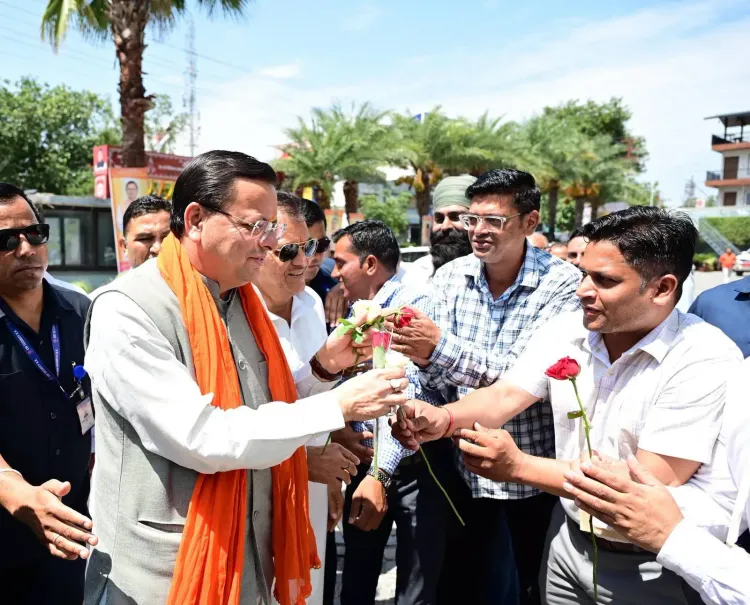
The Chief Minister also inspected stalls put up by various state departments.
The event reinforces Uttarakhand's focus on urban upgrades in Rishikesh, a major pilgrimage and tourism hub.
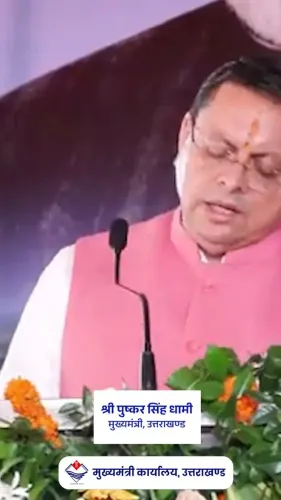
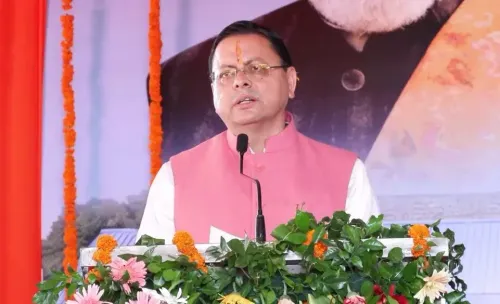
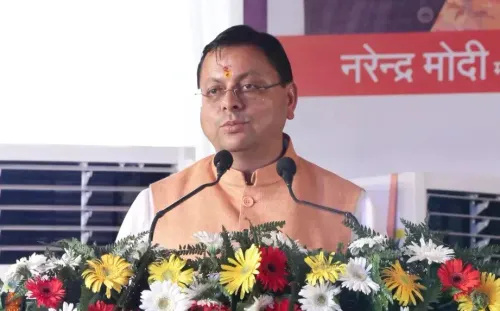
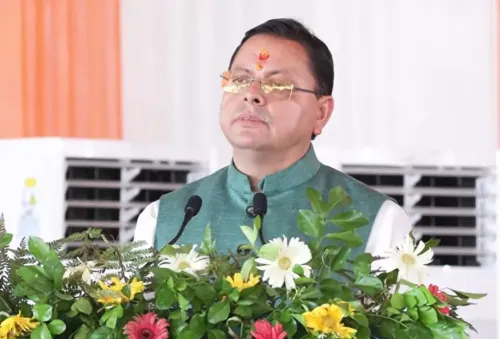
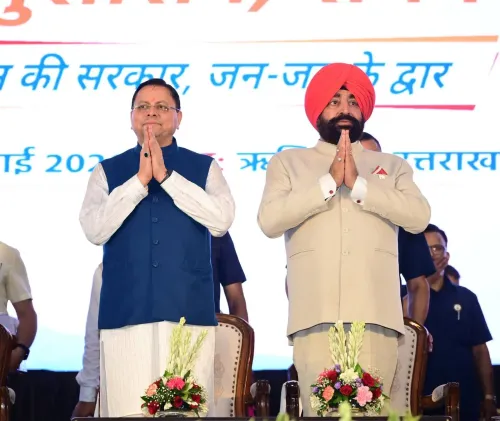
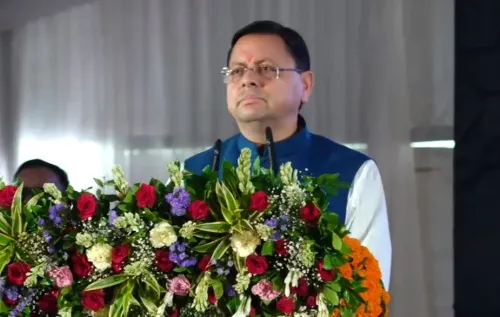
Uttarakhand Chief Minister Pushkar Singh Dhami on 3 June 2026 addressed the 117th executive committee meeting of the Akhil Bharatiya Mahapaur Parishad in Rishikesh, where mayors from cities across India had gathered to deliberate on municipal governance. On the occasion, he inaugurated and laid the foundation stones for three projects worth a combined Rs 29.78 crore and toured exhibition stalls put up by various state departments.
Context
In his post on X, the Chief Minister wrote that he had 'addressed the mayors who had come from various cities of the country' at the 117th executive committee meeting of the Akhil Bharatiya Mahapaur Parishad in Rishikesh. He added that on the same occasion he carried out the lokarpan evam shilanyas (inauguration and foundation-laying) of three projects worth a total of Rs 29.78 crore and inspected stalls set up by different departments.
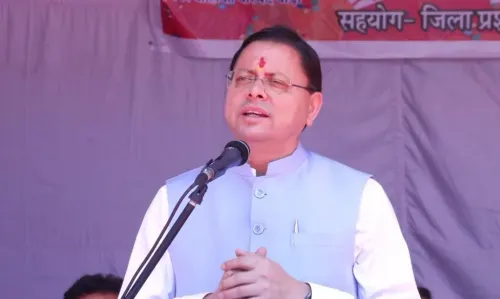
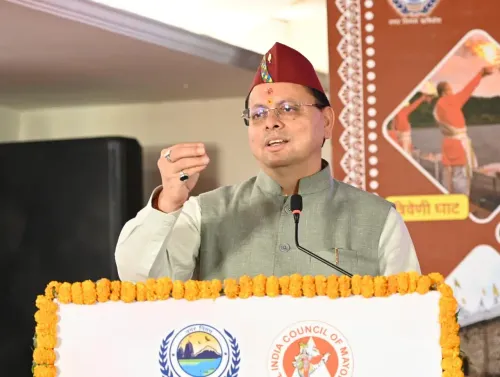
The post was accompanied by four images from the venue. The gathering brought civic leaders from multiple states to a city that is itself in the middle of a sustained urban upgrade cycle, lending the meeting both a symbolic and a working agenda.
Policy backdrop
The Akhil Bharatiya Mahapaur Parishad is a national platform of city mayors that convenes periodic executive committee meetings to coordinate on shared municipal challenges, from sanitation and solid waste to mobility and service delivery. Such forums have gained weight since the 74th Constitutional Amendment Act of 1992, which gave constitutional recognition to urban local bodies and a formal role to elected mayors.
Successive central programmes, including the Smart Cities Mission launched in 2015, have placed urban infrastructure at the centre of state-level priorities. Uttarakhand has channelled a sizeable share of that focus into its pilgrimage and tourism towns, where civic load fluctuates sharply with seasonal footfall.
Stakeholders and impact
Rishikesh, situated on the banks of the Ganges, draws large numbers of pilgrims, yoga practitioners and tourists each year, and its urban local body has been navigating pressures on roads, sewerage, riverfront management and parking. Hosting a national mayors' meeting in the city gives the state government an opportunity to showcase ongoing works while inviting peer scrutiny from civic chiefs elsewhere.
For visiting mayors, the day combined a closed-door agenda with a visible execution narrative: an inauguration, a foundation-laying, and departmental stalls signalling the spread of state programmes. For Uttarakhand, the optics reinforce a positioning of Rishikesh as a model pilgrimage-cum-tourism city under continuing investment.
The cumulative outlay of Rs 29.78 crore across three works, announced together, is modest in headline terms but typical of the layered, project-by-project approach that defines urban capital expenditure in hill states, where terrain and ecological constraints push planners toward smaller, targeted interventions rather than single mega-projects.
What's next
Attention will turn to the execution timeline of the three projects unveiled in Rishikesh and to any resolutions emerging from the 117th executive committee meeting on shared urban priorities. Mayors' councils often translate such gatherings into collaborative pitches to the Union government on financing, capacity-building and devolution of functions to urban local bodies.
For the Chief Minister, the engagement extends an established pattern of using high-visibility civic forums in pilgrimage towns to advance Uttarakhand's urban development pitch, with implementation on the ground likely to determine how durable the signalling proves.
Point of View
Anchoring such optics in a pilgrimage city aligns with a broader arc of treating tourism towns as showcases of urban investment. The Rs 29.78 crore outlay is modest, but the messaging — peer mayors as witnesses — is calibrated. The test, as always, will lie in completion timelines and whether the council's deliberations translate into concrete federal asks on urban finance.
NationPress
16 Sept 2026
Frequently Asked Questions
Where did CM Pushkar Singh Dhami address the mayors' council meeting?
He addressed the 117th executive committee meeting of the Akhil Bharatiya Mahapaur Parishad in Rishikesh, Uttarakhand. Mayors from various cities across India attended the gathering.
What is the total value of projects launched by CM Dhami in Rishikesh?
The Chief Minister inaugurated and laid the foundation stones for three projects worth a combined Rs 29.78 crore. The specific scope of each project was not detailed in the post.
What is the Akhil Bharatiya Mahapaur Parishad?
It is a national body that brings together mayors of Indian cities. It holds periodic executive committee meetings to coordinate on municipal governance and shared urban challenges.
Why is Rishikesh significant for such national civic events?
Rishikesh is a major pilgrimage and yoga tourism city on the Ganges in Uttarakhand. Hosting national meetings there allows the state to showcase ongoing urban upgrades in a high-footfall destination.
What did CM Dhami do besides addressing the mayors?
Apart from his address, he inaugurated and laid foundation stones for three projects worth Rs 29.78 crore. He also inspected stalls put up by various state departments at the venue.