DMK files DGP complaint over private individuals in TN Cabinet meetings
Synopsis
The DMK has escalated a governance controversy in Tamil Nadu, alleging that two private individuals with no official standing attended Cabinet meetings chaired by CM C. Joseph Vijay — and demanding a criminal investigation under the Official Secrets Act. If the allegations hold, this could trigger a constitutional crisis over Cabinet confidentiality.
Key Takeaways
DMK filed a complaint with the Tamil Nadu DGP on 1 July 2025 , demanding an FIR over alleged unauthorised access to Cabinet meetings.
Two individuals — John Arockiasamy and Vishnu Reddy , reportedly from Andhra Pradesh — are named as alleged close associates of CM C.
Neither individual holds any official position in the Tamil Nadu government , according to the complaint.
The complaint invokes the Official Secrets Act, 1923 , BNSS 2023 , and BNS 2023 .
Bharathi cited Article 164(3) of the Constitution, arguing Cabinet confidentiality is a legal obligation of the Chief Minister.
The Dravida Munnetra Kazhagam (DMK) has filed a formal complaint with the Tamil Nadu Director General of Police (DGP), demanding the registration of a First Information Report (FIR) against two individuals allegedly linked to Chief Minister C. Joseph Vijay, who are accused of attending Cabinet meetings and other confidential government deliberations without holding any official position. The complaint was submitted on 1 July 2025 in Chennai, raising what the party described as a serious breach of constitutional and legal safeguards.
The Allegations
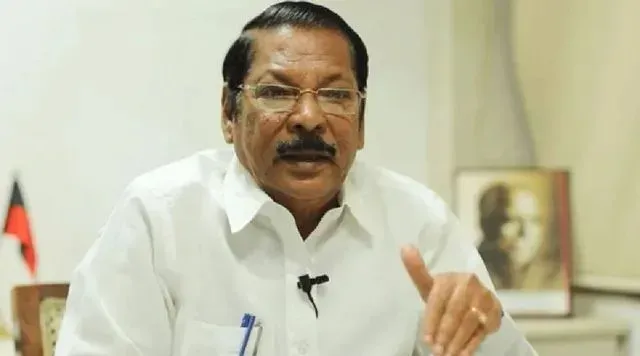
DMK's Organisation Secretary R.S. Bharathi, who filed the complaint, alleged that two private individuals — John Arockiasamy and Vishnu Reddy, described as residents of Andhra Pradesh and close associates of the Chief Minister — had allegedly been present during Cabinet meetings, official review sessions, and other confidential deliberations held at the Tamil Nadu Secretariat. Neither individual reportedly holds any official government post.
Bharathi argued that if the allegations are substantiated, they would constitute a violation of constitutional obligations and statutory duties under multiple laws, warranting immediate police intervention.
Legal Provisions Invoked
The complaint seeks investigation under the Official Secrets Act, 1923, the Bharatiya Nagarik Suraksha Sanhita (BNSS), 2023, the Bharatiya Nyaya Sanhita (BNS), 2023, and other applicable statutes. According to the complaint, the alleged conduct prima facie reveals 'unlawful communication, receipt and access to confidential government information by unauthorised private individuals, together with possible abuse of public office, criminal conspiracy and other offences requiring immediate criminal investigation.'
Constitutional Dimension
Bharathi contended that the Chief Minister, bound by the oath of office and secrecy under Article 164(3) of the Constitution and the Third Schedule, carries a continuing legal obligation to preserve the confidentiality of Cabinet proceedings. The DMK argued that allowing private individuals access to such meetings — if proven — would amount to a direct violation of that constitutional duty.
What the DMK Is Asking For
The party urged the police to investigate how the two individuals gained access to restricted government meetings, whether any confidential information was shared with them, and whether public servants facilitated their entry in violation of established rules. The DMK also sought action against all those found responsible for any breach of confidentiality or misuse of official authority, asserting that the matter carries 'significant constitutional importance and public interest.'
This comes amid a broader political climate in Tamil Nadu where the ruling dispensation and opposition parties have traded accusations over governance transparency. The DGP's response to the complaint — and whether an FIR is registered — will determine the next course of action.
Point of View
And if private individuals did attend such meetings, the legal exposure under the Official Secrets Act is real, regardless of political motive. The fact that the complaint names residents of Andhra Pradesh as alleged participants adds a layer of optics that the ruling party will find difficult to dismiss. Whether the DGP acts or sits on the complaint will itself become a political signal in a state where institutional independence is already under scrutiny.
NationPress
30 Sept 2026
Frequently Asked Questions
What is the DMK's complaint about Tamil Nadu Cabinet meetings?
The DMK has alleged that two private individuals, John Arockiasamy and Vishnu Reddy, attended Cabinet meetings and confidential government deliberations chaired by Tamil Nadu Chief Minister C. Joseph Vijay without holding any official position. The party has urged the state DGP to register an FIR and conduct a full investigation.
Who are John Arockiasamy and Vishnu Reddy?
According to the DMK's complaint, John Arockiasamy and Vishnu Reddy are private individuals described as close associates of CM C. Joseph Vijay and residents of Andhra Pradesh. They allegedly hold no official government post in Tamil Nadu.
Under which laws has the DMK sought action?
The complaint seeks investigation under the Official Secrets Act, 1923, the Bharatiya Nagarik Suraksha Sanhita (BNSS) 2023, the Bharatiya Nyaya Sanhita (BNS) 2023, and other applicable statutes covering criminal conspiracy and abuse of public office.
What constitutional provision does the complaint cite?
The DMK cited Article 164(3) of the Constitution and the Third Schedule, which prescribe the oath of office and secrecy for ministers. The complaint argues the Chief Minister has a continuing legal obligation to preserve Cabinet confidentiality.
What happens next after the complaint is filed?
The DGP must now decide whether to register an FIR or decline. If an FIR is registered, a formal police investigation would follow to determine how the individuals accessed restricted meetings and whether any confidential information was disclosed.