DMK Opposes Centre's Delimitation Plan Amid Controversy Over Lok Sabha Expansion
Synopsis
The DMK in Tamil Nadu leads a strong opposition against the Centre's controversial delimitation proposal aimed at increasing Lok Sabha seats based on population changes, raising concerns among southern states. This political battle signals a critical moment for federal representation.
Key Takeaways
DMK leads opposition against the delimitation proposal.
The proposal may increase Lok Sabha seats to around 850.
Concerns raised by southern states regarding representation fairness.
Potential increase of Tamil Nadu Lok Sabha seats from 39 to 50.
Introduction of the Women’s Reservation Bill alongside the delimitation initiative.
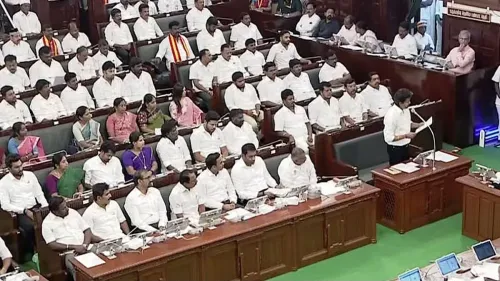
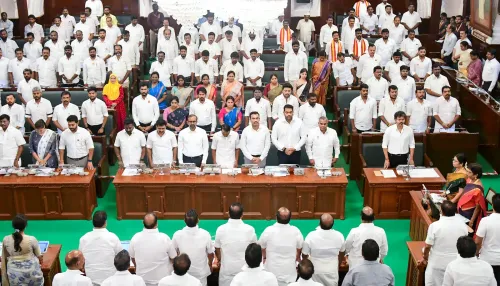
Chennai, April 15 (NationPress) The DMK party in Tamil Nadu has taken a leading role in opposing the Union government’s proposed delimitation initiative, aimed at augmenting the number of Lok Sabha seats in accordance with population changes. This move has raised alarms across various southern states.
Currently, the Lok Sabha comprises 543 members, a number determined by the 1971 Census when India's population was approximately 550 million.
With the population now surpassing 1.4 billion, the Centre has put forth plans to enhance parliamentary representation through a new delimitation process.
Reports indicate that the proposed Delimitation Amendment Bill seeks to increase the Lok Sabha MPs from 543 to around 850, along with expanding the representation from Union Territories from 20 to 35.
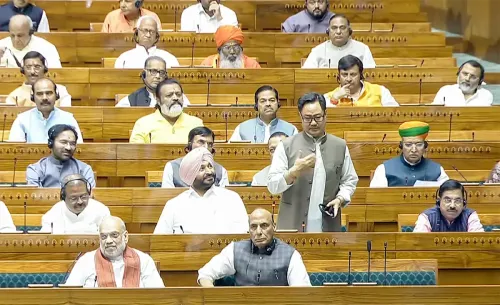
The Bill is anticipated to be introduced during a special Parliamentary session scheduled for the next three days. Southern states, including Tamil Nadu, Kerala, Andhra Pradesh, and Karnataka, have voiced strong opposition, contending that it would disadvantage regions that have effectively implemented population control measures.
There are concerns that a population-driven redistribution of seats would disproportionately favor northern states like Uttar Pradesh, where population growth has been more significant.
The Centre is also considering conducting delimitation based on the 2011 Census or even earlier data, rather than waiting for the post-2026 Census, as stipulated by the 2002 Delimitation Amendment Act, thereby intensifying the controversy.
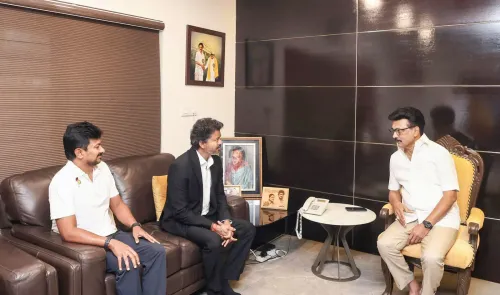
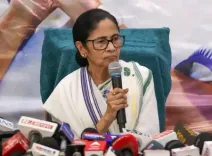
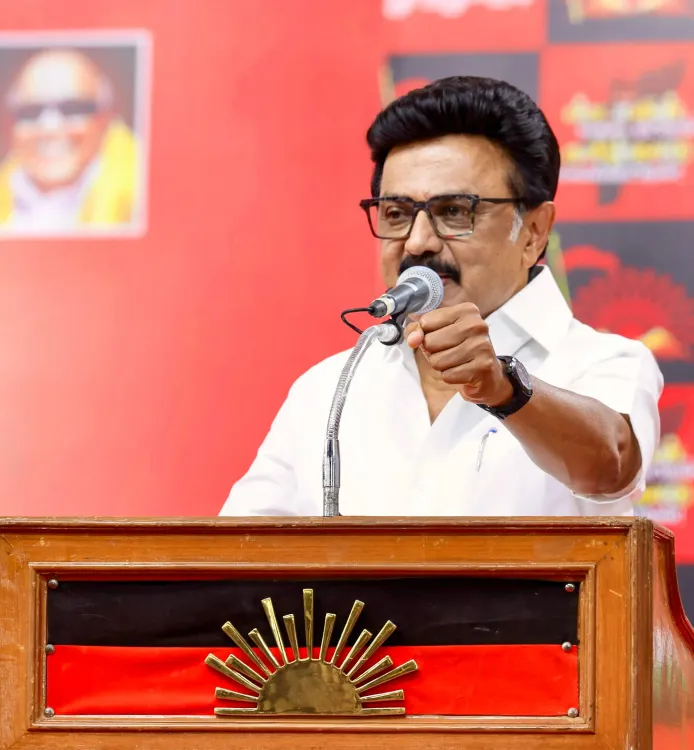
M.K. Stalin, Chief Minister of Tamil Nadu, has vocally condemned the proposal, asserting that it would dilute the state’s representation in Parliament and violate federal principles.
He warned that should the Centre proceed with the plan, his party would initiate a major protest, claiming, “the old DMK will be seen.” Conversely, Edappadi K. Palaniswami has attempted to downplay these concerns, arguing that the delimitation process will not negatively impact Tamil Nadu.
Estimates suggest that Tamil Nadu’s Lok Sabha seats could rise from the current 39 to approximately 50, while Uttar Pradesh’s representation might increase from 80 to nearly 143, significantly reshaping the power dynamics in Parliament.
In addition, the Centre plans to introduce the Women’s Reservation Bill alongside the delimitation proposal, which aims to secure 33 percent reservation for women in the 2029 general elections.
As tensions escalate, Chief Minister Stalin has instructed DMK MPs to attend the special Parliamentary session, signaling an impending political showdown.
Point of View
It highlights the delicate balance of representation and the ongoing debate about population control measures. This situation reflects a broader national concern about equitable political representation across diverse states, warranting careful consideration and dialogue.
NationPress
18 Sept 2026
Frequently Asked Questions
What is the delimitation proposal?
The delimitation proposal aims to increase the number of Lok Sabha seats based on population growth, potentially raising the total from 543 to around 850.
Why are southern states opposing the delimitation plan?
Southern states argue that the plan will disadvantage regions with successful population control measures and disproportionately benefit northern states with higher population growth.
When is the delimitation amendment bill expected to be introduced?
The delimitation amendment bill is anticipated to be introduced during a special session of Parliament scheduled over the next three days.
What are the implications for Tamil Nadu's representation?
Estimates suggest that Tamil Nadu's Lok Sabha seats could increase from 39 to around 50, potentially altering the balance of power in Parliament.
What other legislative proposals are being discussed?
Alongside the delimitation proposal, the Centre is also planning to introduce the Women’s Reservation Bill, aiming for 33% reservation for women in the next general elections.