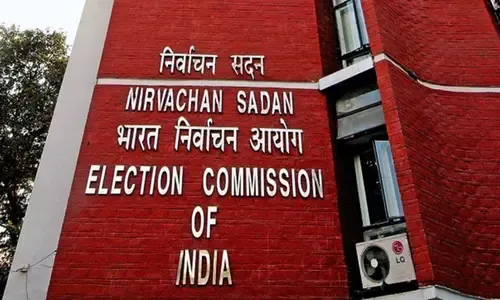
EC orders West Bengal CEO to monitor post-poll violence after Phase 2
Synopsis
With West Bengal's vote count just days away, the Election Commission has put the state machinery on high alert — haunted by the 2021 post-poll violence that triggered nearly 2,000 court complaints, an NHRC probe, and CBI investigations. The question now is whether precautionary arrests and monitoring directives will be enough to hold the peace.
Key Takeaways
The Election Commission of India has directed West Bengal's CEO office to monitor the situation and prevent post-poll violence ahead of counting on 4 May .
CEO Manoj Agrawal held a virtual meeting with District Magistrates and Superintendents of Police on Thursday, 30 April .
Police arrested approximately 2,000 'miscreants' before each of the two election phases as a precautionary measure.
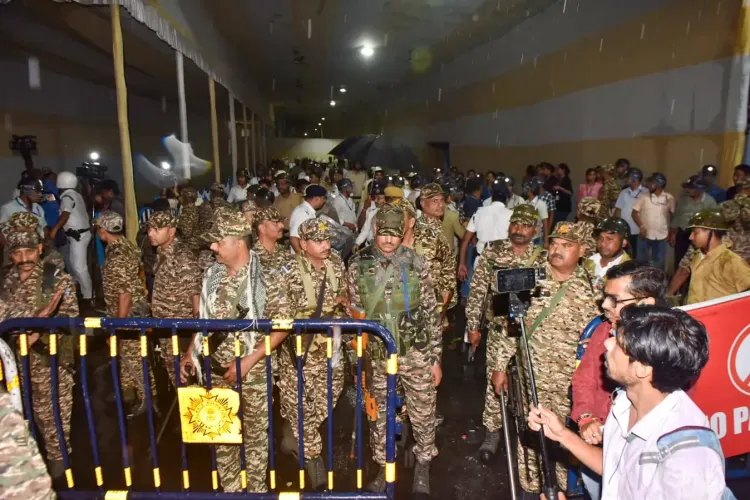
Sporadic political clashes were reported from multiple districts after the second and final phase concluded on Wednesday .
The 2021 West Bengal elections were followed by approximately 1,979 complaints of crimes including murder, rape, and arson filed in the Calcutta High Court .
A CBI probe was ordered in select 2021 cases; many remain pending in courts.
The Election Commission of India (ECI) has directed the office of West Bengal's Chief Electoral Officer (CEO) to closely monitor the ground situation across the state to prevent post-poll violence in the days leading up to vote counting on 4 May. The directive comes after sporadic political clashes were reported from several districts following the conclusion of the second and final phase of the West Bengal Assembly elections on Wednesday, 30 April.
Virtual Meeting with District Officials
Chief Electoral Officer Manoj Agrawal chaired a virtual meeting with District Magistrates and Superintendents of Police on Thursday to convey the Commission's directives. Officials were instructed to remain vigilant and take pre-emptive action to contain any potential flare-up. The meeting was convened by the CEO's office in direct response to the post-poll clash reports emerging from across the state.
Precautionary Arrests Before Both Phases
According to Commission officials, police had arrested approximately 2,000 'miscreants' as a precautionary measure before the first phase of the Assembly elections. A nearly identical number of individuals were detained ahead of the second phase as well. These individuals, officials noted, had allegedly created an atmosphere of fear in several areas during past elections.
The proactive arrests are credited with ensuring that polling remained largely peaceful across both phases. However, officials have flagged that if those detained are released on bail before counting day, there is a risk of fresh unrest — a concern that has driven the Commission's latest monitoring directive.
Shadow of 2021 Post-Poll Violence
The ECI's heightened vigilance is set against the backdrop of the 2021 West Bengal Assembly elections, which were followed by widespread allegations of post-poll violence across multiple districts, including Kolkata. Approximately 1,979 complaints covering crimes including murder, rape, and arson were subsequently filed before the Calcutta High Court.
Acting on those complaints, the High Court ordered the National Human Rights Commission (NHRC) to investigate and prepare a report on the post-poll violence. The High Court also sought the state government's response. In several serious cases — including those involving murder and rape — a Central Bureau of Investigation (CBI) probe was ordered. Notably, many of those cases remain pending in various courts to this day.
What Happens Next
With vote counting scheduled for 4 May, the Commission's monitoring mechanism will remain active through the results period — historically a flashpoint for political tensions in West Bengal. The ECI's proactive stance signals that it intends to apply lessons from 2021 to prevent a repeat of the violence that drew national and judicial attention. How effectively the state police machinery responds to this mandate will be closely watched.
Point of View
Not directives. West Bengal's 2021 post-poll violence left a deep institutional scar: nearly 2,000 court complaints, an NHRC report, and CBI cases that are still unresolved years later. The fact that the Commission must issue fresh monitoring orders after every election cycle points to a structural failure of state-level law enforcement accountability. Precautionary arrests are a blunt instrument; without sustained judicial pressure and political will from the ruling dispensation, the pattern risks repeating itself the moment the cameras turn away from counting day.
NationPress
16 Sept 2026
Frequently Asked Questions
Why is the Election Commission monitoring West Bengal after the elections?
The Election Commission has directed the West Bengal CEO's office to monitor the situation to prevent post-poll violence ahead of vote counting on 4 May 2025. Sporadic political clashes were reported from several districts after the second and final phase of polling concluded on 30 April.
What happened during post-poll violence after the 2021 West Bengal elections?
Following the 2021 West Bengal Assembly elections, approximately 1,979 complaints involving crimes including murder, rape, and arson were filed in the Calcutta High Court. The NHRC was ordered to investigate, the state government was asked to respond, and CBI probes were ordered in select cases — many of which remain pending in courts.
How many people were arrested before the 2025 West Bengal elections?
According to Commission officials, police arrested approximately 2,000 individuals described as 'miscreants' before each of the two election phases — roughly 4,000 in total — as a precautionary measure to prevent violence and intimidation.
Who chaired the monitoring meeting after Phase 2 of the West Bengal elections?
Chief Electoral Officer Manoj Agrawal chaired a virtual meeting with District Magistrates and Superintendents of Police on Thursday, 30 April, conveying the Election Commission's directive to monitor and prevent post-poll violence.
When is vote counting scheduled for the West Bengal Assembly elections?
Vote counting for the West Bengal Assembly elections is scheduled for 4 May, and the Election Commission's monitoring mechanism will remain active through this period, which is historically a flashpoint for political tensions in the state.