ED secures conviction in cocaine trafficking money laundering case, Mohali
Synopsis
The ED's Chandigarh office has won a rare double-layer conviction — first under the NDPS Act for cocaine trafficking, now under the PMLA for laundering the proceeds. With ₹10 lakh in cheques classified as 'Proceeds of Crime', the Mohali court's ruling reinforces that India's financial crime framework can reach beyond the drug itself to the money it generates.
Key Takeaways
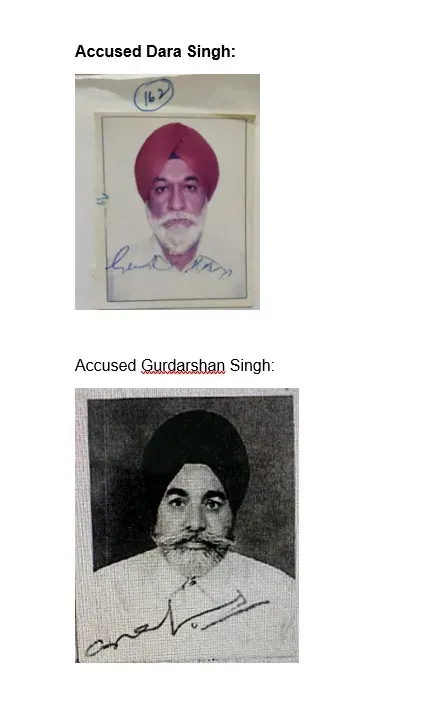
Dara Singh and Gurdarshan Singh convicted by a special PMLA court at SAS Nagar, Mohali on 3 September .
Case linked to trafficking of 1.230 kg of cocaine ; both accused also convicted under the NDPS Act .
Each sentenced to three years of rigorous imprisonment and a fine of ₹5,000 .
Two cheques totalling ₹10 lakh (₹6 lakh + ₹4 lakh) classified as 'Proceeds of Crime' under PMLA.
Investigation initiated on the basis of an FIR by the Punjab Police ; further related probes remain ongoing.
The Enforcement Directorate (ED)'s Chandigarh Zonal Office has secured the conviction of Dara Singh and Gurdarshan Singh in a money-laundering case linked to the trafficking of 1.230 kg of cocaine, the agency confirmed in an official statement on 4 September. The verdict, delivered by a special court in Mohali, marks a significant enforcement outcome targeting the financial networks behind illicit drug trafficking in Punjab.
The Conviction and Sentencing
The special court under the Prevention of Money Laundering Act (PMLA) at SAS Nagar, Mohali, in its judgment dated 3 September, found both accused guilty of money laundering under Section 3 of the PMLA, 2002 — an offence punishable under Section 4 of the same Act. Each has been sentenced to three years of rigorous imprisonment along with a fine of ₹5,000.
Both accused had also been previously convicted in the scheduled offence under Sections 22 and 29 of the Narcotic Drugs and Psychotropic Substances (NDPS) Act, making this PMLA conviction an additional layer of legal accountability.
How the Financial Trail Was Established
The ED's investigation was triggered by a First Information Report (FIR) registered by the Punjab Police. During the probe, investigators traced two cheques — one of ₹6 lakh and another of ₹4 lakh, totalling ₹10 lakh — directly connected to dealings involving the contraband cocaine.
The special court held that both the seized cocaine and the two cheques fall within the definition of 'property' and constitute 'Proceeds of Crime' under the PMLA, 2002, as they were the direct result of criminal activity relating to the scheduled narcotics offence, according to the ED's statement.
ED's Strategy: Targeting the Money, Not Just the Drug
The conviction reflects the ED's broader enforcement approach of pursuing the financial proceeds of narcotics crimes rather than limiting action to the drug seizure itself. By attaching and prosecuting the economic gains derived from trafficking, the agency aims to dismantle the larger ecosystem that sustains the illicit trade.
Officials noted that holding individuals accountable for generating and circulating proceeds of crime under the PMLA's stringent provisions strengthens the overall fight against the drug menace. This is consistent with the agency's pattern of layering PMLA prosecutions on top of NDPS cases across multiple states.
Investigations Ongoing
The ED confirmed that further related investigations, wherever required, remain in progress. The outcome in Mohali adds to a growing list of PMLA convictions the agency has secured in drug-linked financial crime cases, signalling continued judicial validation of its dual-track enforcement model.
Point of View
000 is modest — and more for the legal precedent it sets. By successfully arguing that both the cocaine and the cheques constitute 'Proceeds of Crime', the ED has reinforced the PMLA's reach into narcotics-linked financial flows, a front where convictions remain relatively rare. The real deterrent question is whether the asset-attachment and prosecution pipeline is fast enough to meaningfully disrupt drug networks before the money is moved. With further investigations described as ongoing, the Mohali verdict may be one node in a larger financial crime map that is still being drawn.
NationPress
5 Sept 2026
Frequently Asked Questions
Who were convicted in the ED's Mohali cocaine money laundering case?
Dara Singh and Gurdarshan Singh were convicted by the special PMLA court at SAS Nagar, Mohali on 3 September. Both were found guilty of money laundering under Section 3 of the PMLA, 2002, in connection with the trafficking of 1.230 kg of cocaine.
What sentence did the convicted accused receive?
Each accused was sentenced to three years of rigorous imprisonment along with a fine of ₹5,000 under Section 4 of the PMLA, 2002.
How did the ED establish the money laundering charge?
The ED traced two cheques — one of ₹6 lakh and one of ₹4 lakh, totalling ₹10 lakh — to dealings involving the seized cocaine. The special court ruled that these cheques, along with the cocaine itself, constitute 'Proceeds of Crime' under the PMLA.
What is the significance of a PMLA conviction in a drug trafficking case?
A PMLA conviction goes beyond punishing the narcotics offence itself — it targets the financial gains from the crime. This dual-track approach, combining NDPS and PMLA prosecutions, aims to dismantle the economic networks that sustain drug trafficking.
Are further investigations related to this case ongoing?
Yes, the ED confirmed that further related investigations, wherever required, remain in progress, suggesting the Mohali conviction may be part of a broader probe into drug-linked financial networks in Punjab.