Karnataka Bitcoin scam: ED-SIT set to serve third notice to Mohammed Nalapad
Synopsis
The ED-led SIT is readying a third summons for Youth Congress leader Mohammed Nalapad in the Karnataka Bitcoin scam — a case that has already seen raids on his Bengaluru home, seizure of digital evidence, and allegations that a ₹10 lakh suspicious transaction first cracked open a hawala-linked crypto conversion network tied to alleged hacker Sriki.
Key Takeaways
The ED-SIT is preparing a third summons for Youth Congress leader Mohammed Nalapad in the Karnataka Bitcoin scam .
Investigators allege crores of rupees were routed through Nalapad-linked transactions for illegal Bitcoin-to-rupee conversion via hawala networks.
A suspicious transaction of ₹10 lakh in Nalapad's account reportedly first exposed the wider alleged network.
ED has already arrested and questioned accused Sriki , Suneesh Hegde , and Robin Khandelwal ; digital evidence was seized from raids at Shantinagar, Bengaluru .
Nalapad reportedly skipped the first summons and has not fully cooperated; custodial interrogation is a possibility if financial links are established, per sources.
The Karnataka Bitcoin scam first surfaced in 2021 and remains one of the state's most high-profile financial crime investigations.
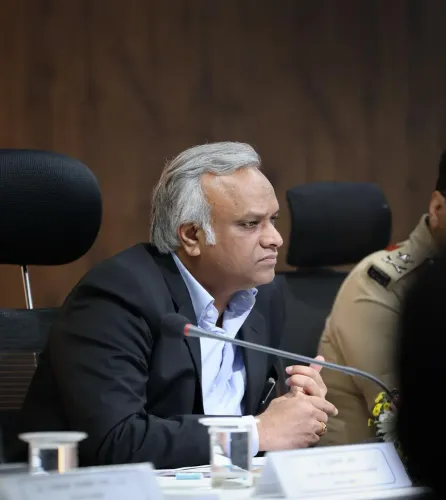
The Enforcement Directorate-led Special Investigation Team (SIT) is preparing to issue a third summons to Youth Congress leader Mohammed Nalapad in connection with the Karnataka Bitcoin scam, according to officials. Nalapad, son of four-time MLA and Bengaluru Development Authority (BDA) Chairman N.A. Harris, is alleged to have facilitated the conversion of illegally acquired cryptocurrency into Indian currency through hawala networks.
What the Investigation Has Found
According to SIT findings, crores of rupees were allegedly routed through transactions linked to Mohammed Nalapad in connection with the unlawful conversion of Bitcoins into Indian rupees. Investigators allege that alleged cybercriminal Srikrishna Ramesh, popularly known as Sriki, approached Nalapad to assist in liquidating the cryptocurrency. Nalapad allegedly used Mumbai-based associates and co-accused Robin Khandelwal to channel the funds through hawala networks, with substantial commissions reportedly received in return.
A suspicious transaction of ₹10 lakh into Nalapad's account is said to have initially alerted investigators to the wider alleged network, according to officials.
Raids, Arrests, and Non-Cooperation
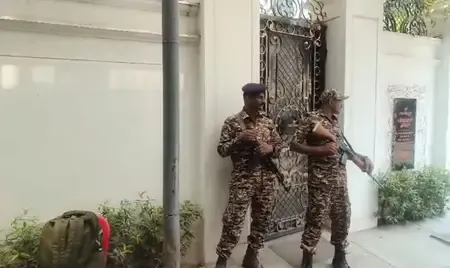
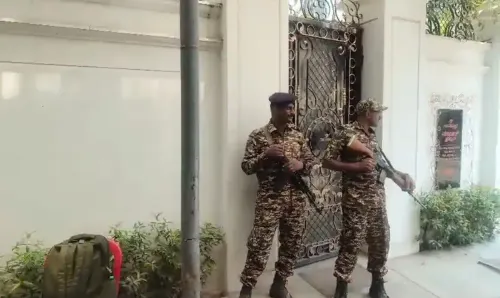
ED officials recently conducted coordinated searches at the Shantinagar, Bengaluru residences of N.A. Harris and Mohammed Nalapad, during which digital evidence was seized. The agency has already arrested and questioned Sriki, Suneesh Hegde, and Robin Khandelwal as part of its money laundering investigation.
Two prior summons were issued to Nalapad for questioning. He reportedly skipped the first, citing political engagements, and officials say he has not fully cooperated with the investigation thereafter. The third notice is now being prepared on the basis of SIT charge sheet findings.
Allegations Against Nalapad
Investigators allege that Nalapad maintained regular contact with Sriki and allegedly arranged accommodation for him in luxury hotels. These claims remain under active scrutiny. Sources indicate that if the ED establishes concrete evidence of direct financial transactions between the two, the agency may consider further legal action, including possible custodial interrogation.
Background: Karnataka's High-Profile Crypto Case
The Karnataka Bitcoin scam first came to light in 2021, centring on alleged hacker Srikrishna Ramesh (Sriki), who is accused of illegally acquiring Bitcoins and attempting to convert them into cash through illegal channels. The case drew political controversy after allegations emerged of links between Sriki and influential politicians, businessmen, and their associates.
The investigation has since expanded to cover alleged proceeds of cybercrime, cryptocurrency transactions, and money laundering, drawing multiple law enforcement agencies. It remains one of Karnataka's most closely watched financial crime cases. The ED is reportedly preparing to incorporate its latest findings into the charge sheet as the probe intensifies.
Point of View
Coordinated raids, and a charge sheet in the works — and yet Mohammed Nalapad remains unquestioned. The ED's escalating posture signals that the agency believes it has enough transactional evidence to move beyond persuasion. What is notable here is the entry point: a ₹10 lakh suspicious deposit, relatively modest by scam standards, allegedly unravelling a hawala network of far greater scale. The political dimension — a sitting MLA's son, a BDA chairman's family — makes this a test case for whether financial crime enforcement in Karnataka applies equally regardless of affiliation. The answer will likely depend on what the charge sheet ultimately contains, and whether courts grant the ED the custodial access it may seek.
NationPress
26 Oct 2026
Frequently Asked Questions
Why is the ED-SIT issuing a third notice to Mohammed Nalapad?
The ED-SIT is preparing a third summons because Nalapad has not fully cooperated with the first two, according to officials. Investigators allege he facilitated the conversion of illegally acquired Bitcoins into Indian currency through hawala networks, and the latest notice is based on findings from the SIT charge sheet.
What is the Karnataka Bitcoin scam?
The Karnataka Bitcoin scam is a high-profile cryptocurrency case that emerged in 2021, centring on alleged hacker Srikrishna Ramesh (Sriki), who is accused of illegally acquiring Bitcoins and attempting to convert them into cash through illegal channels. The case expanded to include money laundering allegations involving politicians, businessmen, and their associates.
Who is Mohammed Nalapad and what is his alleged role?
Mohammed Nalapad is a Youth Congress leader and son of four-time MLA and BDA Chairman N.A. Harris. Investigators allege he was approached by Sriki to help convert Bitcoins into rupees, and that he used Mumbai-based associates and Robin Khandelwal to route funds through hawala networks, allegedly receiving substantial commissions.
What evidence has the ED gathered so far?
The ED conducted raids at the Bengaluru residences of N.A. Harris and Mohammed Nalapad, seizing digital evidence. A suspicious ₹10 lakh transaction in Nalapad's account reportedly helped expose the wider alleged network. Accused Sriki, Suneesh Hegde, and Robin Khandelwal have already been arrested and questioned.
Could Mohammed Nalapad face arrest?
According to sources, if investigators establish concrete evidence of direct financial transactions between Nalapad and Sriki, the ED may consider further legal action including possible custodial interrogation. No arrest has been made or formally announced at this stage.