How Can EEPC India Secure Cheaper Export Finance Amid US Tariff Hikes?

Synopsis
In light of recent US tariffs, EEPC India is pushing for government intervention to safeguard India's engineering exports. Chairman Pankaj Chadha emphasizes the need for affordable financing and support measures for MSMEs. Discover how this could impact India's economy!
Key Takeaways
EEPC India advocates for the reinstatement of the IES .
US tariffs significantly impact India's engineering exports.
MSMEs face serious challenges in securing financing.
Government intervention is crucial for mitigating financial losses.
The average duty difference with competing nations is 30%.
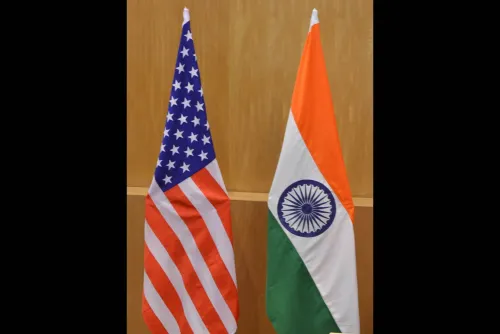
New Delhi, Sep 12 (NationPress) The engineering exports promotion organization EEPC India has called on the government to reinstate the Interest Equalisation Scheme, ensure more accessible export financing, and provide assistance to mitigate the impacts of punitive tariffs imposed by the US on Indian engineering exports.
During a meeting with Reserve Bank of India (RBI) Governor Sanjay Malhotra, EEPC India chairman Pankaj Chadha emphasized the engineering sector's susceptibility due to recent US tariffs and requested support to lower borrowing costs for exporters.
"India's engineering exports to the USA average about USD 20 billion, which represents roughly 45 percent of the total exports from India subjected to US tariffs. This highlights our sector's vulnerability and the pressing need for government intervention. To alleviate this financial blow, immediate government action is necessary in specific areas," stated Chadha.
Chadha advocated for the government to reinstate the IES, particularly for MSMEs, or at least for SME manufacturing entities within the engineering sector.
He also raised concerns regarding the obstacles faced by MSME exporters in obtaining collateral-free loans for export financing.
"MSMEs persistently encounter challenges when approaching banks and financial institutions, where stringent collateral requirements remain. Furthermore, the credit rating systems employed by banks to assess collateral and interest rates disproportionately impact MSMEs. Consequently, MSMEs often face higher interest rates along with significant collateral demands," he explained.
The chairman of EEPC India further noted that the US exposure of engineering exporters has adversely affected their credit ratings, suggesting that rating agencies should exclude US exposure from their calculations for credit ratings, at least for this year.
During the discussion with the RBI Governor, it was observed that the average duty disparity between India and its competitors stands at 30 percent. EEPC India proposed that while the industry can bear 15 percent of the tariff, government support is essential for the remaining 15 percent, either through scrips or by facilitating exchange conversion at the REER exchange rate.
Point of View
I believe that the challenges faced by the engineering sector due to US tariffs require immediate government intervention. The call for reinstating the Interest Equalisation Scheme highlights the vulnerabilities of our exporters, especially MSMEs. Supporting our engineering exports not only aids the sector but also fortifies our national economy.
NationPress
29 Sept 2026
Frequently Asked Questions
What is the Interest Equalisation Scheme?
The Interest Equalisation Scheme (IES) is a government initiative designed to provide financial support to exporters by subsidizing interest rates on export finance, making borrowing more affordable.
How do US tariffs affect Indian engineering exports?
US tariffs impose additional costs on Indian engineering products, which can make them less competitive in the US market, affecting overall export volumes and revenues.
What challenges do MSMEs face in export financing?
MSMEs often struggle with high collateral requirements and unfavorable credit rating systems, leading to increased borrowing costs and difficulties in securing loans.
What percentage of Indian exports are affected by US tariffs?
Approximately 45 percent of India's total engineering exports are exposed to US tariffs, amounting to around USD 20 billion annually.
Why is government support crucial for MSMEs?
Government support is vital for MSMEs to help them mitigate the financial impact of tariffs, secure affordable financing, and maintain competitiveness in the global market.