CM Fadnavis Leads 'Save Democracy' Padyatra in Thane
Synopsis
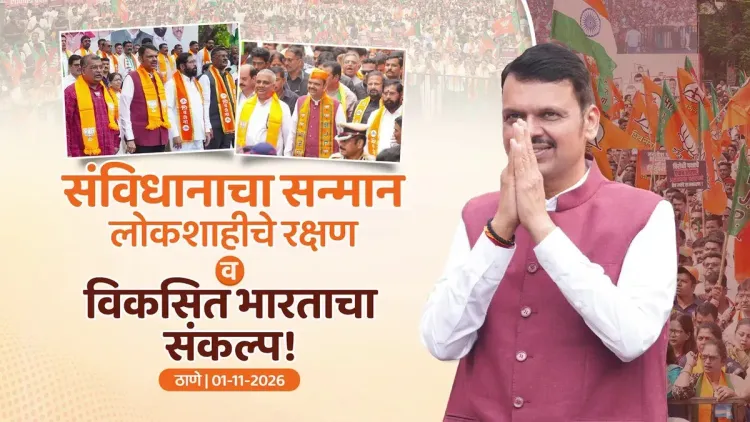
Maharashtra CM Devendra Fadnavis led the 'Save Democracy, Remove Anarchy' padyatra in Thane on 1 November 2026, attacking Congress over institutional erosion, invoking the 1975 Emergency, and defending the Special Intensive Revision of electoral rolls alongside Deputy CM Eknath Shinde and Union Minister Bhupendra Yadav.
Key Takeaways
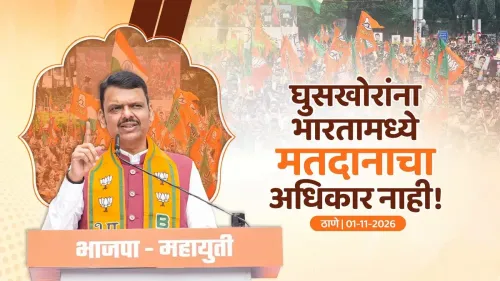
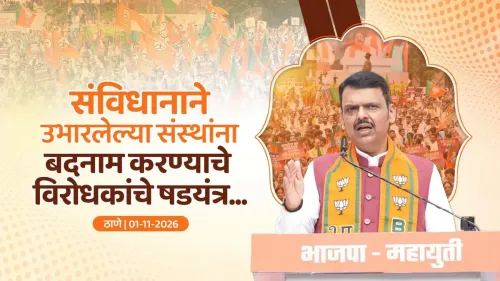
Devendra Fadnavis addressed and led the Lokshahi Vachava, Arajakta Hatava padyatra in Thane on 1 November 2026 , alongside senior Mahayuti leaders.
He invoked the Emergency of 1975–1977 as 'one of the darkest chapters in India's democratic history' to anchor his critique of Congress.
Five constitutional bodies were named in his charge sheet: Parliament, the Election Commission, the Supreme Court, the RBI, and the CAG .
Fadnavis defended the Special Intensive Revision (SIR) of electoral rolls, claiming similar exercises had been conducted eight times previously , including under Congress governments.
He highlighted that recognised parties can appoint Booth Level Officers (BLOs) at polling stations to verify electoral rolls and raise objections.
Deputy CM Eknath Shinde , Union Minister Bhupendra Yadav , and multiple state ministers and MPs joined the march, signalling a full Mahayuti mobilisation.
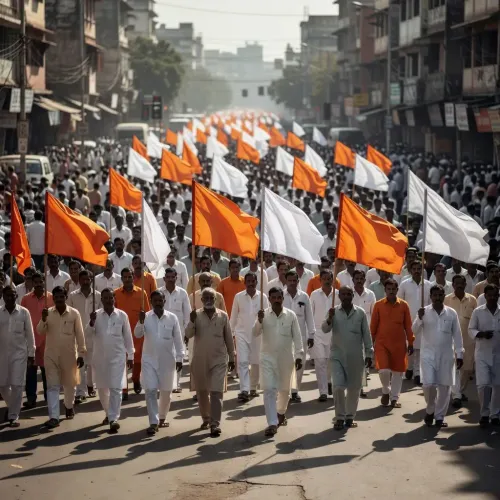
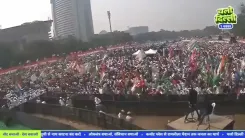
A mass street march rolled through Thane on Sunday, 1 November 2026, and Maharashtra Chief Minister Devendra Fadnavis was at its head — turning a padyatra into a pointed political indictment of the Congress and its allies, invoking the ghost of the Emergency and the battle over electoral rolls in the same breath.
What the 'Lokshahi Vachava, Arajakta Hatava' march stood for
The 'Lokshahi Vachava, Arajakta Hatava' — 'Save Democracy, Remove Anarchy' — padyatra was framed not as a protest but as a founding act. Fadnavis described it as 'the beginning of a determined fight to protect the Constitution and democracy,' a call to citizens to stand united against what he characterised as a systematic effort to hollow out constitutional institutions.
Flanking him was a near-full muster of the Mahayuti alliance's senior leadership: Deputy Chief Minister Eknath Shinde, Union Minister Bhupendra Yadav, BJP Maharashtra State President Ravindra Chavan, and ministers Ganesh Naik, Jaykumar Rawal, and Pratap Sarnaik, along with MPs Dr. Shrikant Shinde and Naresh Mhaske. The turnout signalled that this was not a routine rally — it was a coordinated alliance mobilisation on the streets of one of Maharashtra's most electorally significant districts.
The Emergency as political weapon — and the institution-by-institution charge sheet
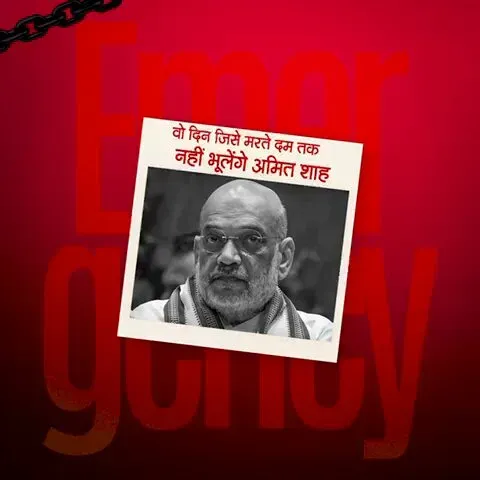
Fadnavis anchored his critique in history. The Emergency of 1975–1977, imposed by the Indira Gandhi-led Congress government, suspended fundamental rights for nearly two years and remains among the most contested episodes in post-Independence India. He called it 'one of the darkest chapters in India's democratic history,' using it to set the frame for a present-day charge sheet against the opposition.
That charge sheet was unusually specific. He named five institutions — Parliament, the Election Commission of India, the Supreme Court, the Reserve Bank of India, and the Comptroller and Auditor General — and accused Congress of systematically targeting each to create 'an atmosphere of instability.' The argument: that opposition rhetoric framed as defending the Constitution is, in practice, eroding public trust in the very bodies that give the Constitution teeth.
The electoral roll dispute — and Fadnavis's eight-revision counter
At the centre of the current flashpoint is the Special Intensive Revision (SIR) of electoral rolls — a process the Congress and its alliance partners have publicly opposed. Fadnavis pushed back hard, asserting that similar intensive revision exercises had been conducted eight times in the past, including during Congress-led governments. He pointed out that all recognised political parties have the right to appoint Booth Level Officers (BLOs) at every polling station to scrutinise rolls and raise objections — a transparency mechanism, he argued, that the opposition is choosing to ignore rather than use.
Note: the precise count of eight prior revisions cited by Fadnavis draws on claims made at the event; official Election Commission notifications would be the authoritative record.
A march, a message, and Maharashtra's political temperature
Padyatras are a distinctly kinetic form of political communication in Maharashtra — they occupy space, they photograph well, and they demand a response. By taking the Mahayuti alliance onto Thane's streets in formation, Fadnavis was doing something beyond speech-making: he was demonstrating organisational muscle in a district that sits at the intersection of Mumbai's suburban sprawl and the Konkan hinterland, a zone whose voter arithmetic has shaped state elections for a generation.
The Congress and INDIA alliance partners have yet to respond formally to the march. Whether they mount counter-events, challenge the SIR process through legal or electoral channels, or escalate their own street presence will determine whether this padyatra was an opening gambit or a one-day headline. Either way, Fadnavis has put democratic legitimacy — and the right to define it — at the centre of Maharashtra's political conversation.
Point of View
While simultaneously seizing the moral high ground on institutional independence. By naming the Election Commission, Supreme Court, RBI, and CAG as targets of opposition pressure, Fadnavis is attempting to reframe what the Congress presents as a defence of the Constitution as an attack on it. The Thane location is not incidental — it is Eknath Shinde's political base, making the joint appearance a visible reaffirmation of the Mahayuti alliance's cohesion at a moment when opposition parties have been probing its fault lines. The electoral roll dispute over SIR could become the next major battleground, with legal and street-level contestation likely to intensify.
NationPress
1 Nov 2026
Frequently Asked Questions
What is the 'Lokshahi Vachava, Arajakta Hatava' padyatra?
It is a political march organised by the BJP-Mahayuti alliance in Maharashtra, translating to 'Save Democracy, Remove Anarchy.' The march held in Thane on 1 November 2026 was addressed by Chief Minister Devendra Fadnavis and aimed at criticising the Congress for allegedly undermining constitutional institutions.
Why is the Special Intensive Revision (SIR) of electoral rolls controversial?
The Congress and its alliance partners have opposed the Special Intensive Revision, raising concerns about its conduct. CM Fadnavis countered that similar exercises were carried out eight times in the past, including during Congress governments, and that all parties can appoint Booth Level Officers to verify rolls and raise objections.
What did Fadnavis say about the Emergency?
Fadnavis called the Emergency of 1975–1977, imposed by the Indira Gandhi-led Congress government, 'one of the darkest chapters in India's democratic history,' using it as a historical reference point to challenge the Congress's present-day claims of defending the Constitution.
Which institutions did Fadnavis say Congress was targeting?
Fadnavis specifically named Parliament, the Election Commission of India, the Supreme Court, the Reserve Bank of India (RBI), and the Comptroller and Auditor General (CAG) as institutions he believes Congress is attempting to undermine.
Who attended the Save Democracy padyatra in Thane?
Key attendees included Deputy Chief Minister Eknath Shinde, Union Minister Bhupendra Yadav, BJP Maharashtra State President Ravindra Chavan, ministers Ganesh Naik, Jaykumar Rawal and Pratap Sarnaik, and MPs Dr. Shrikant Shinde and Naresh Mhaske, representing the full Mahayuti alliance leadership.