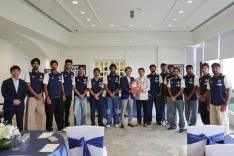
CM Fadnavis inaugurates AI Centre of Competency in Nagpur
Synopsis
Maharashtra CM Devendra Fadnavis inaugurated the AI Centre of Competency in Nagpur on August 2, 2026, anchoring it within a university ecosystem and declaring AI, semiconductors and quantum computing as the defining technologies of the century — a move that extends Maharashtra's tech ambitions beyond Mumbai and Pune.
Key Takeaways
Devendra Fadnavis inaugurated the AI Centre of Competency in Nagpur on August 2, 2026 .
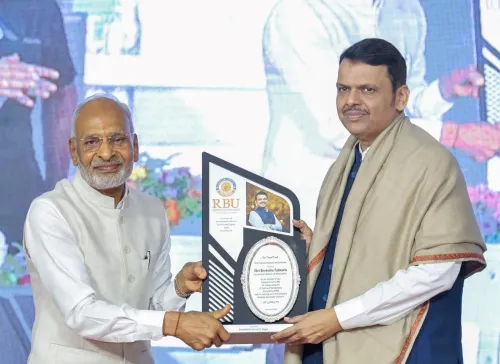
The centre is affiliated with RBU (Rashtrasant Tukadoji Maharaj Nagpur University) , embedding it in higher education infrastructure.
Fadnavis identified AI, semiconductors, and quantum computing as the three sectors that will shape this century.
The initiative aligns with India's National Strategy for AI (2018) and the India Semiconductor Mission (2021) .
Nagpur , Maharashtra's winter capital, is being positioned as a technology hub beyond the traditional Mumbai-Pune corridor.
Operational milestones to watch include industry partnerships and curriculum integration with local universities.
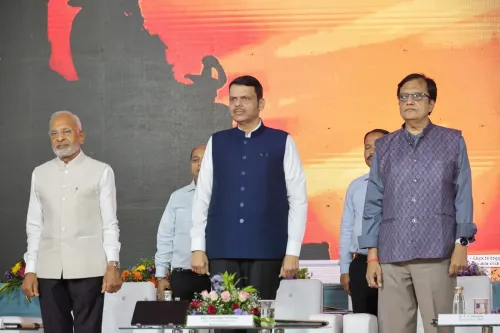
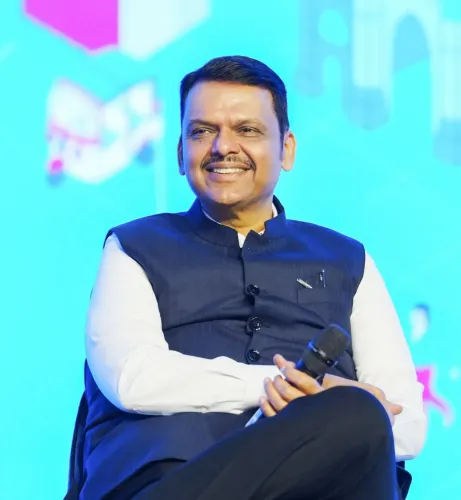
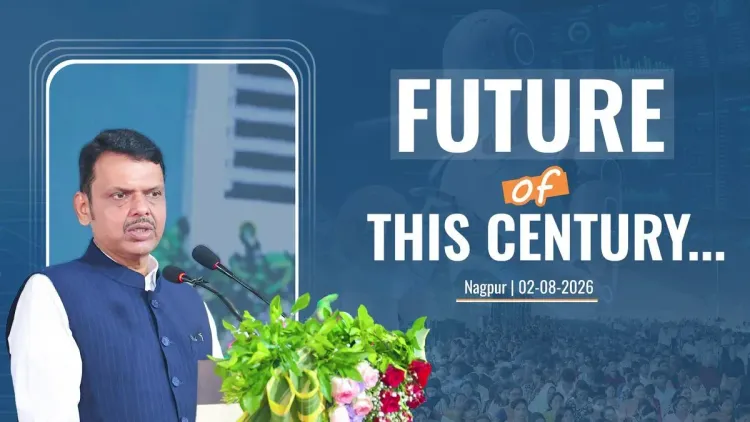
A city long known as Maharashtra's winter capital is now staking a claim in the technology future of the century. Maharashtra Chief Minister Devendra Fadnavis on Sunday, August 2, 2026, inaugurated the 'AI Centre of Competency' in Nagpur, declaring that artificial intelligence, semiconductors, and quantum computing will define the decades ahead.
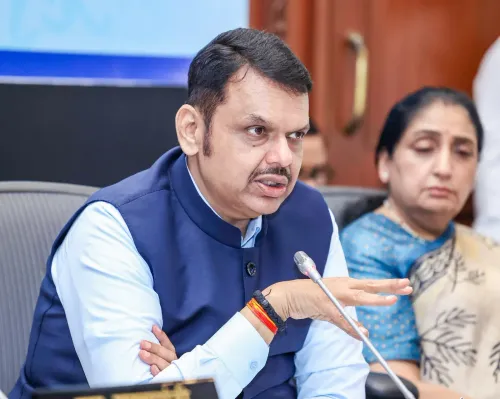
Posting from the event, Fadnavis stated in both English and Marathi: 'कृत्रिम बुद्धिमत्ता (AI), सेमीकंडक्टर आणि क्वांटम कॉम्प्युटिंग ही या शतकाचे भविष्य घडवणारी महत्त्वाची क्षेत्रे ठरणार आहेत' — 'AI, semiconductors and quantum computing are going to be the important sectors shaping the future of this century.' The centre is affiliated with RBU (Rashtrasant Tukadoji Maharaj Nagpur University), signalling a deliberate integration of higher education infrastructure into the state's technology push.
Nagpur's new role in Maharashtra's tech map
The choice of Nagpur is pointed. Typically overshadowed by Mumbai and Pune in Maharashtra's IT narrative, the city — which serves as the state's winter capital — is increasingly being positioned as a node for government-backed innovation. A dedicated AI competency centre embedded within a university ecosystem offers something the bigger metros already have in abundance but smaller cities rarely get: structured, institutional access to cutting-edge technology education and research.
The initiative slots neatly into India's broader national architecture for emerging tech. The country's National Strategy for AI (#AIForAll), released in 2018, laid out a roadmap for AI adoption across sectors. The India Semiconductor Mission, approved in 2021, followed with a focus on domestic chip design and manufacturing capability. State-level centres of competency — domain-specific, university-linked — are the grassroots layer that translate those national ambitions into local skilling and R&D pipelines.
Why semiconductors and quantum computing share the stage with AI
Fadnavis did not invoke AI in isolation. The deliberate pairing of all three — AI, semiconductors, and quantum computing — reflects a systems-level understanding of the technology stack. AI runs on chips; next-generation chips will increasingly depend on quantum architectures. Naming all three at an inauguration is less a rhetorical flourish and more a statement of strategic intent: Maharashtra is not chasing one trend, it is positioning for the full technology transition.
For AI researchers, technology students, and Maharashtra's IT sector, the centre represents a potential anchor institution — a place where academic research can intersect with industry demand, especially as global semiconductor supply chains actively seek diversification away from concentration in East Asia.
The real test will come in the operational phase: which industry partners sign on, how the curriculum integrates with existing university programmes, and whether the centre produces work that travels beyond Nagpur. The foundation, at least, has been laid in public and on the record.
Point of View
Anchoring this in Nagpur rather than Mumbai or Pune carries political logic as much as policy logic: it signals investment in the Vidarbha region, historically underserved in Maharashtra's economic story. The explicit inclusion of semiconductors and quantum computing alongside AI suggests the centre's ambitions extend beyond basic skilling into deeper R&D positioning. Whether industry follows government intent into tier-two cities will be the defining question for this model.
NationPress
16 Sept 2026
Frequently Asked Questions
What is the AI Centre of Competency inaugurated in Nagpur?
It is a technology centre inaugurated by Maharashtra CM Devendra Fadnavis on August 2, 2026, affiliated with RBU (Rashtrasant Tukadoji Maharaj Nagpur University), focused on artificial intelligence, semiconductors and quantum computing research and skill development.
Why did Devendra Fadnavis inaugurate an AI centre in Nagpur?
Fadnavis chose Nagpur — Maharashtra's winter capital — to extend the state's technology ambitions beyond Mumbai and Pune, integrating cutting-edge tech education into a university ecosystem in the Vidarbha region.
How does the Nagpur AI centre connect to India's national technology policy?
It aligns with India's National Strategy for AI released in 2018 and the India Semiconductor Mission approved in 2021, both of which aim to build domestic capability in emerging technologies under the Atmanirbhar Bharat framework.
What technologies does the AI Centre of Competency in Nagpur focus on?
The centre focuses on three interconnected fields: artificial intelligence, semiconductors, and quantum computing — which CM Fadnavis described as the sectors that will shape the future of this century.
What is RBU and what is its role in the AI Centre of Competency?
RBU refers to Rashtrasant Tukadoji Maharaj Nagpur University; the AI Centre of Competency is affiliated with the university, positioning it as an academic anchor for research and technology education in Nagpur.