CM Fadnavis Inaugurates Key Projects in Jalna
Synopsis
Chief Minister Devendra Fadnavis inaugurated the new Silk Cocoon Market building, the Ambad Police Station, and seven Primary Health Centre buildings in Jalna district on 14 August 2026, in a multi-project ceremony attended by Ministers Pankaja Munde and Sanjay Sawkare and several local MLAs.
Key Takeaways
Chief Minister Devendra Fadnavis inaugurated multiple development projects in Jalna district on 14 August 2026 .
The new Silk Cocoon Market building was inaugurated and its foundation plaque unveiled, boosting infrastructure for silk farmers in Jalna.
The new Ambad Police Station building was formally opened, upgrading law-enforcement facilities in the taluka.
Seven Primary Health Centre buildings across Jalna district were inaugurated in a single ceremony, expanding rural healthcare access.
Senior ministers Pankaja Munde and Sanjay Sawkare , along with five local MLAs, attended the event.
Jalna lies in the Marathwada region , which receives targeted state attention for agricultural and basic-services development.
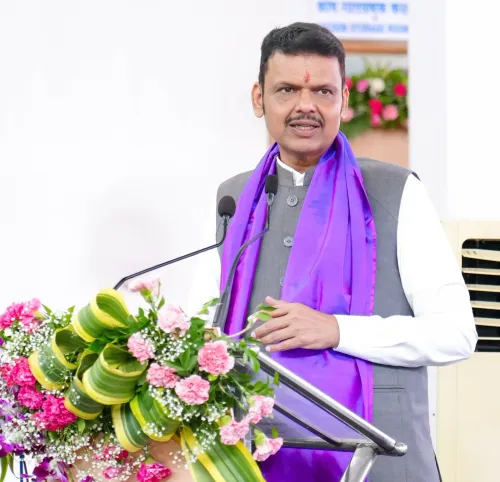
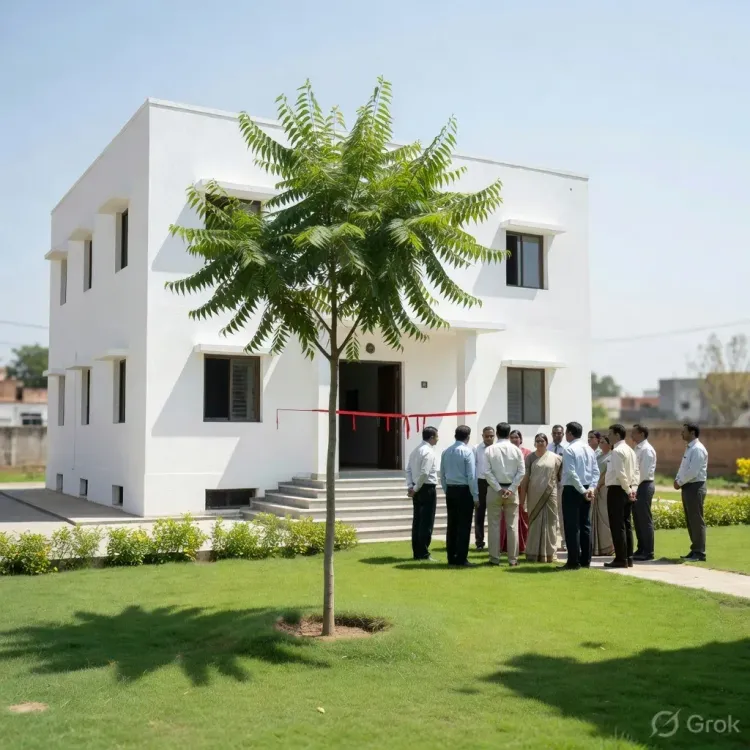
Seven new primary health centres, a modernised silk cocoon market, and a brand-new police station — all in a single afternoon. Chief Minister Devendra Fadnavis travelled to Jalna district on 14 August 2026 to inaugurate and unveil stone plaques for a cluster of development projects spanning healthcare, law enforcement, and agricultural trade.
What opened in Jalna on Independence Day eve
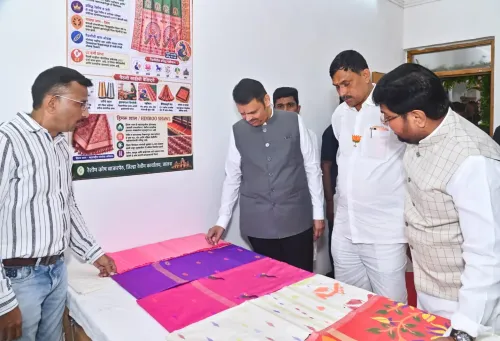
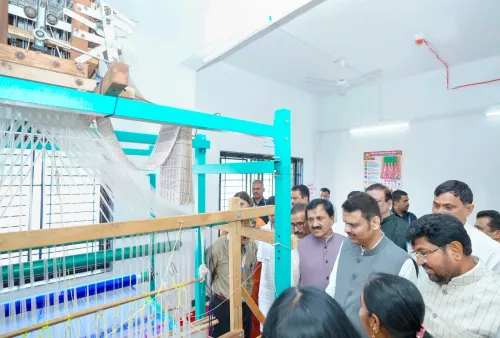
The centrepiece of the event was the new building of the Silk Cocoon Market — a dedicated trading facility for silk producers in this Marathwada district where sericulture forms a key strand of the rural economy. Fadnavis formally inaugurated the building and unveiled its foundation plaque, signalling a long-awaited upgrade for cocoon traders and farmers who depend on organised market access.
Alongside it, the new building of Ambad Police Station was thrown open, giving the taluka town upgraded infrastructure for law enforcement. Most striking in scale: seven Primary Health Centres across Jalna district received new buildings in a single ceremony, extending the government's reach into rural healthcare at one stroke.
Jalna's place in Maharashtra's Marathwada push
Jalna sits in the Marathwada region — a belt that has historically lagged behind western Maharashtra in basic services and agricultural infrastructure. State governments across administrations have periodically targeted Marathwada for concentrated development drives, and Friday's event fits squarely into that pattern. Silk farming is one of the district's distinguishing agricultural activities, making the cocoon market upgrade particularly relevant to local livelihoods.
The inauguration drew a heavyweight political presence. Minister Pankaja Munde — a senior figure in the ruling coalition with roots in the Marathwada belt — attended alongside Minister Sanjay Sawkare. Local legislators Babanrao Lonikar, Santosh Danve, Narayan Kuche, Arjun Khotkar, and Hikmat Udhan were also present, reflecting the political weight the coalition places on visible district-level delivery.
Rural health and policing — the quieter dividends
The simultaneous inauguration of seven PHC buildings is the detail that carries the most reach. Primary Health Centres are the first point of contact for rural populations with the public health system — their physical state directly affects whether residents seek care at all. New buildings do not automatically fix staffing or medicine supply gaps, but they remove a real infrastructural barrier in villages where crumbling facilities deter both patients and healthcare workers.
The Ambad Police Station upgrade similarly addresses a functional need: overcrowded or dilapidated station buildings affect record-keeping, detainee conditions, and officer morale. Both investments are unglamorous but consequential for daily governance.
For a district that has long watched bigger announcements land elsewhere, a single afternoon that delivers a market, a police station, and seven health centres is the kind of tangible, bricks-and-mortar governance that cuts through the noise — and the real test begins the moment the cameras leave.
Point of View
Delivering visible infrastructure across three sectors in one visit. The choice of Jalna — a district in the historically under-served Marathwada belt — signals the Fadnavis government's awareness that rural Maharashtra, not just Mumbai, will determine its electoral narrative. The simultaneous inauguration of seven PHC buildings is the most substantively consequential element, given how directly primary health infrastructure affects rural populations. Whether these openings translate into staffed, functional facilities is the governance question that follows every ribbon-cutting of this kind.
NationPress
28 Sept 2026
Frequently Asked Questions
What projects did CM Devendra Fadnavis inaugurate in Jalna?
CM Devendra Fadnavis inaugurated the new Silk Cocoon Market building, the new Ambad Police Station building, and new buildings for seven Primary Health Centres in Jalna district on 14 August 2026.
Where is Jalna district located in Maharashtra?
Jalna district is located in the Marathwada region of Maharashtra, a belt that has historically received targeted state attention for agricultural and basic-services development.
What is the Silk Cocoon Market in Jalna?
The Silk Cocoon Market in Jalna is a government-supported trading facility for silk producers and cocoon traders in the district, where sericulture is a significant part of the rural economy.
Which ministers and MLAs attended the Jalna inauguration event?
Ministers Pankaja Munde and Sanjay Sawkare attended, along with MLAs Babanrao Lonikar, Santosh Danve, Narayan Kuche, Arjun Khotkar, and Hikmat Udhan.
Why are Primary Health Centre buildings important for rural Maharashtra?
Primary Health Centres are the first point of contact between rural populations and the public health system. New buildings remove an infrastructural barrier that can deter both patients and healthcare workers from using or staffing these facilities.