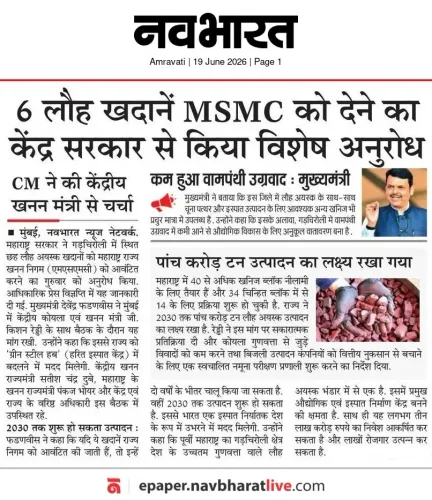
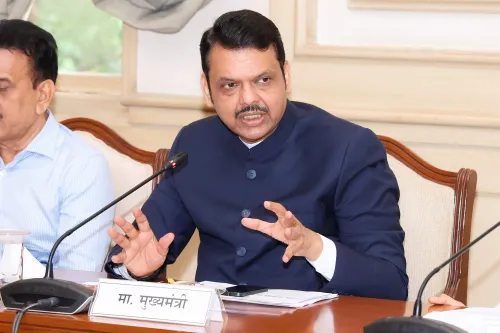
CM Fadnavis Seeks Centre's Nod for Iron Ore Mines in Gadchiroli
Synopsis
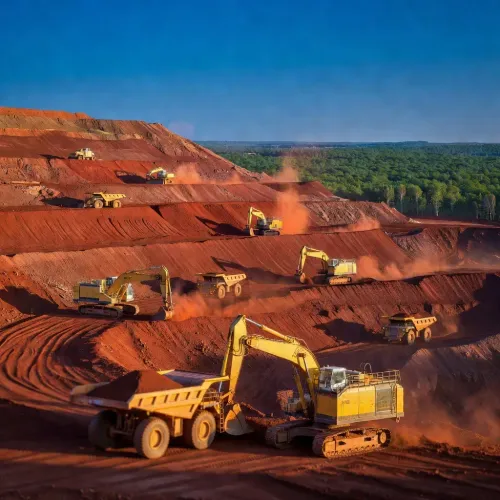
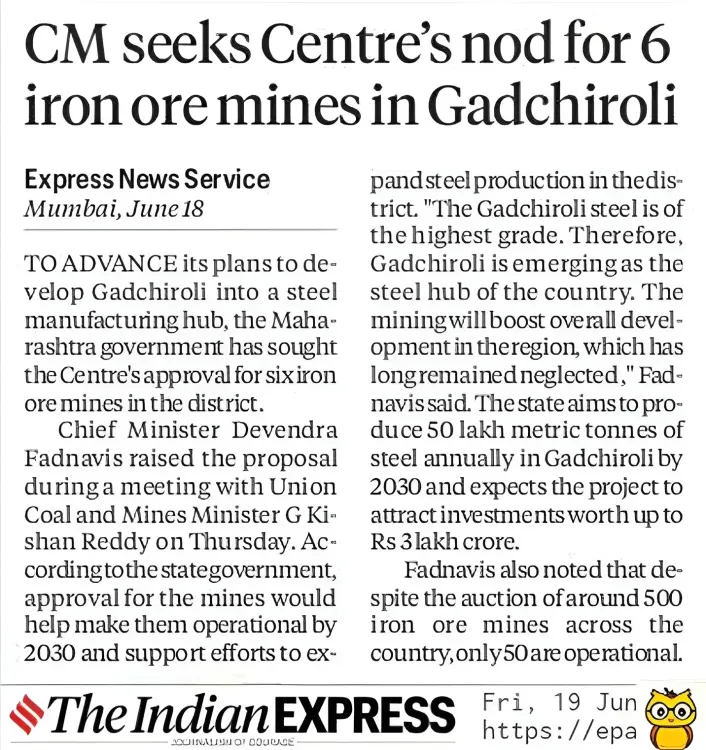
Chief Minister Devendra Fadnavis has sought the Union government's approval for six iron ore mines in Gadchiroli, eastern Maharashtra. The move requires clearances from the Ministry of Mines, forest authorities, and tribal bodies under the MMDR Act and National Mineral Policy 2019, with implications for the steel industry and local tribal communities.
Key Takeaways
CM Devendra Fadnavis has formally sought the Centre's nod for six iron ore mines in Gadchiroli , Maharashtra.
Gadchiroli is a Scheduled V tribal district, requiring layered central approvals under mining, forest, and tribal statutes.
The proposal must clear the Ministry of Mines before proceeding to auction under the MMDR Amendment Act, 2015 .
Key stakeholders include tribal communities , the steel industry , and the Maharashtra State Mining Corporation .
Forest diversion and environmental impact assessment clearances are also required before mining can begin.
The move aligns with the National Mineral Policy 2019 push for faster clearances to boost domestic mineral output.
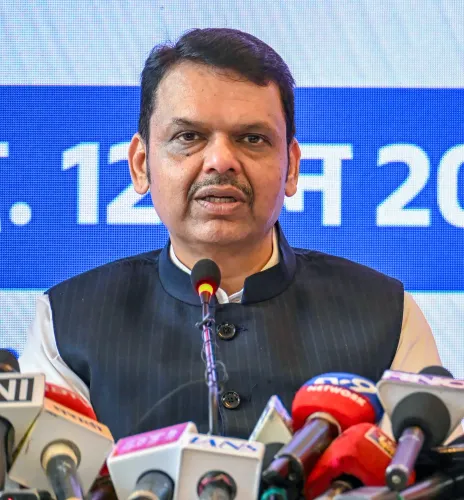
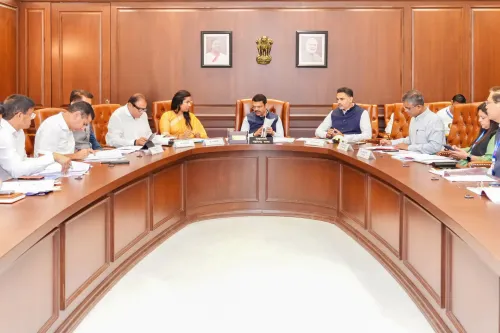
The Chief Minister's Office of Maharashtra on Friday, 19 June 2026 shared that Chief Minister Devendra Fadnavis has formally approached the Union government seeking approval for six iron ore mines in the mineral-rich district of Gadchiroli in eastern Maharashtra.
Context
Gadchiroli is one of Maharashtra's most resource-endowed districts, sitting atop significant deposits of iron ore. The district is also classified as a Scheduled V area, meaning any large-scale mining activity requires layered clearances — from the Ministry of Mines, the Ministry of Environment, Forest and Climate Change, and relevant tribal affairs bodies. CM Fadnavis has sought the Centre's formal nod as a prerequisite to advancing these mineral blocks further.
The move reflects Maharashtra's intent to convert identified mineral reserves into operational mines, a process that involves state recommendations followed by central approvals under the Mines and Minerals (Development and Regulation) Act.
Policy Backdrop
The MMDR Amendment Act, 2015 mandated competitive auctions for mineral blocks and strengthened central oversight over major minerals including iron ore. The National Mineral Policy 2019 subsequently called for faster statutory clearances and sustainable extraction to increase domestic mineral output and reduce India's reliance on imported raw materials.
Iron ore is a critical input for the steel sector, and states with proven reserves have increasingly engaged the Union government to expedite lease approvals. Maharashtra's approach to the Centre for Gadchiroli mines fits squarely within this broader national pattern of mineral-rich states pursuing faster clearances for blocks located in forest and tribal areas.
Stakeholders and Impact
The potential beneficiaries of operational iron ore mines in Gadchiroli include the domestic steel industry, which depends on steady ore supply, and the Maharashtra State Mining Corporation, which could play a role in extraction and revenue sharing. Royalties and district mineral foundation contributions from new mines could also channel funds into local infrastructure and welfare programmes.
However, tribal communities in Gadchiroli — whose rights are protected under the Forest Rights Act and the Panchayats (Extension to Scheduled Areas) Act — are central stakeholders whose consent and benefit-sharing arrangements will be scrutinised closely. Environmental and forest diversion clearances will also be required before any mining activity can commence.
What's Next
The immediate step will be the Ministry of Mines reviewing Maharashtra's formal proposal and determining eligibility of the blocks for grant or auction. Simultaneously, forest diversion applications and environmental impact assessments will need to progress through their respective regulatory tracks.
If the Centre grants its nod, the blocks would likely proceed to competitive auction under the MMDR framework, with timelines governed by the pace of environmental and tribal clearances. The outcome will be a test of how quickly India's multi-agency mineral clearance architecture can respond to state-level demand, particularly in ecologically and socially sensitive geographies like Gadchiroli.
Point of View
Giving the state reasonable grounds for a sympathetic hearing. Yet the real bottleneck will be environmental and tribal clearances, not the Ministry of Mines nod alone — and any shortcuts on those fronts risk legal challenge and community backlash. How the state balances extraction imperatives with forest rights compliance will set a precedent for other mineral-rich tribal districts across India.
NationPress
19 Sept 2026
Frequently Asked Questions
Why is CM Fadnavis seeking Centre's approval for iron ore mines in Gadchiroli?
Under the MMDR Act, major mineral blocks require central government approval before a state can proceed with auctions or grants. Fadnavis has approached the Union government to secure this nod for six identified iron ore blocks in Gadchiroli.
Where is Gadchiroli and why is it significant for mining?
Gadchiroli is a district in eastern Maharashtra known for substantial iron ore deposits. It is also a Scheduled V tribal area, making any mining project subject to additional forest, environmental, and tribal consent requirements.
What clearances are needed before mining can begin in Gadchiroli?
Beyond the Ministry of Mines nod, projects in Gadchiroli require forest diversion clearance, an environmental impact assessment, and compliance with tribal rights laws including the Forest Rights Act and PESA.
How does the National Mineral Policy 2019 affect Maharashtra's mining plans?
The National Mineral Policy 2019 mandates faster statutory clearances and sustainable extraction to boost domestic output. It provides a policy framework that supports state requests like Maharashtra's for expedited central approvals on iron ore blocks.
What is the MMDR Act and how does it govern iron ore mines in India?
The Mines and Minerals (Development and Regulation) Act, as amended in 2015, requires competitive auctions for mineral blocks and gives the central government oversight over major minerals including iron ore, making its approval a prerequisite for state-level mining activity.