CM Fadnavis Shares Sanskrit Verse for Laxmi Puja on Diwali
Synopsis
Maharashtra Chief Minister Devendra Fadnavis marked Laxmi Puja on Diwali 2026 by sharing a classical Sanskrit shloka invoking Goddess Lakshmi from Mumbai, joining millions of Maharashtrians in the festival's most sacred observance.
Key Takeaways
Maharashtra CM Devendra Fadnavis posted a classical Sanskrit shloka dedicated to Goddess Lakshmi on November 9, 2026 .
The post was location-tagged from Mumbai and marked with hashtags #Diwali2026 and #LaxmiPujan .
The verse is a traditional invocation describing Lakshmi's lotus features and seeking her divine presence.
The post carries no policy content — it reflects the widespread practice of Indian public figures participating in cultural and religious observances.
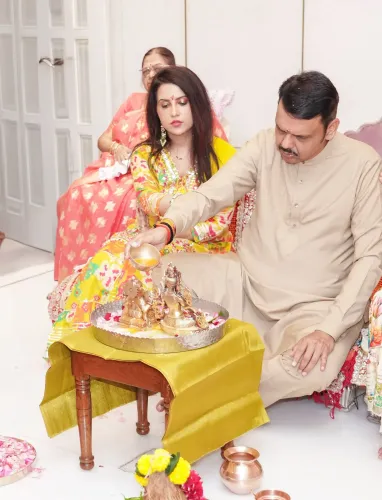
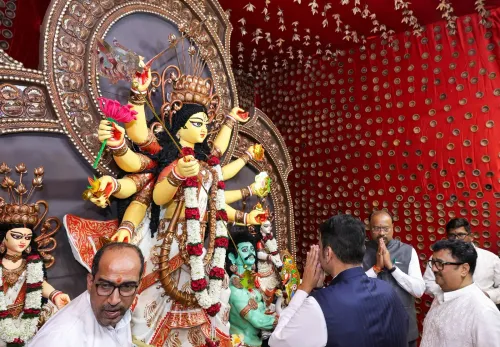
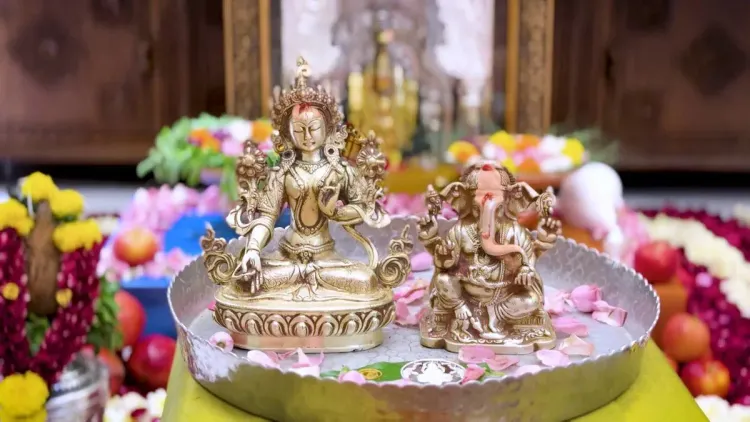
A devotional Sanskrit shloka dedicated to Goddess Lakshmi rang out from Maharashtra Chief Minister Devendra Fadnavis on Monday, November 9, 2026, as he marked Laxmi Puja with a post from Mumbai that blended classical verse with the warmth of the festival season.
The verse he shared — 'पद्मानने पद्मिनी पद्मपत्रे पद्मप्रिये पद्मदलायताक्षि' — is a traditional invocation of the goddess, describing her lotus-like countenance, her love of lotuses, and her eyes as wide as lotus petals. The closing line, translated freely, reads: 'O beloved of the universe, whose mind moves with the world — let your lotus feet rest near me.' It is a plea for divine grace, spare in words, vast in devotion.
Diwali and the tradition of public devotion
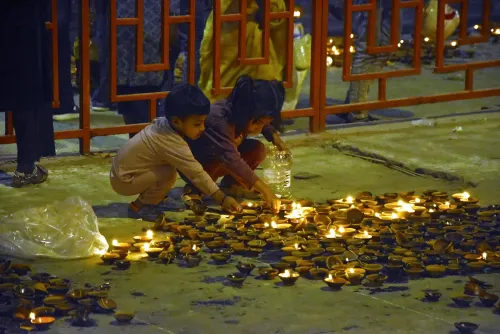
For Indian political leaders, sharing devotional verses during Diwali is a long-established practice — a public joining of hands with the cultural and spiritual life of the nation. Laxmi Puja, performed on the main night of Diwali, is among the most widely observed rituals across Maharashtra, with households lighting diyas and offering prayers for prosperity and well-being. Fadnavis, as Chief Minister of a state of over 120 million people, participates in this tradition with a reach that extends well beyond any single household.
The choice of a classical Sanskrit shloka, rather than a plain greeting, underscores the cultural register he was striking — rooted in scripture, addressed to the goddess directly, and free of political colour.
Point of View
Particularly during high-visibility festivals. It is a soft cultural signal as much as a seasonal greeting, reinforcing a persona grounded in Hindu scripture. For a Chief Minister governing a politically diverse state like Maharashtra, the verse's universal spiritual appeal also offers broad resonance without ideological friction. The post generates no policy news but adds a data point to how contemporary Indian leaders curate their public identities through religion and culture.
NationPress
9 Nov 2026
Frequently Asked Questions
What did Maharashtra CM Devendra Fadnavis post on Diwali 2026?
Fadnavis shared a classical Sanskrit shloka invoking Goddess Lakshmi on the occasion of Laxmi Puja during Diwali 2026, posting from Mumbai.
What does the Sanskrit shloka posted by Fadnavis mean?
The verse describes Goddess Lakshmi through lotus imagery — her face, eyes, and affinity for lotuses — and closes with a prayer asking her lotus feet to rest near the devotee, seeking her divine grace.
When is Laxmi Puja celebrated during Diwali?
Laxmi Puja is performed on the main night of Diwali, when households across India — especially in Maharashtra — light diyas and offer prayers to the goddess of prosperity.
Why do Indian politicians share devotional posts on Diwali?
Sharing festival greetings and devotional verses on Diwali is a long-established practice among Indian public figures, allowing them to participate visibly in cultural and religious life alongside citizens.
Where was Devendra Fadnavis when he made the Diwali post?
The post was location-tagged from Mumbai, the capital of Maharashtra, where Fadnavis serves as Chief Minister.