CM Fadnavis accuses Rahul Gandhi of pushing far-left agenda
Synopsis
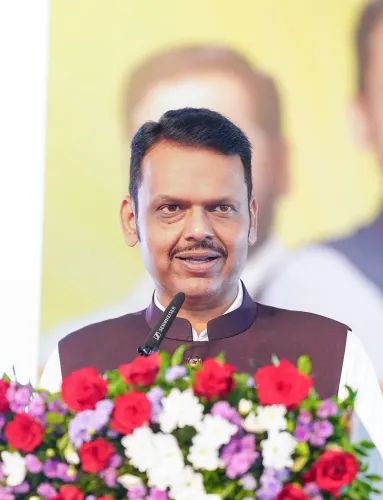
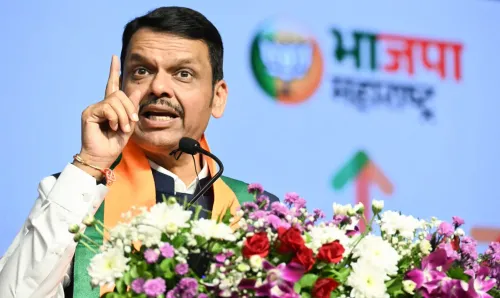
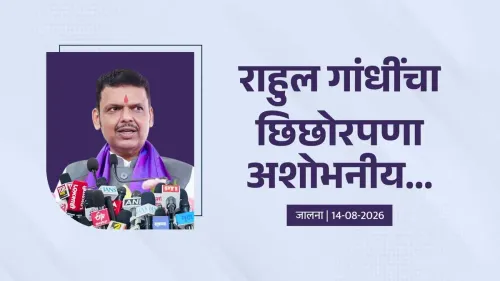
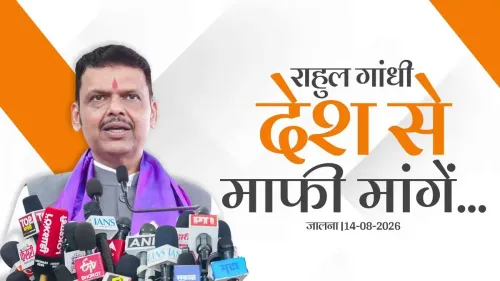
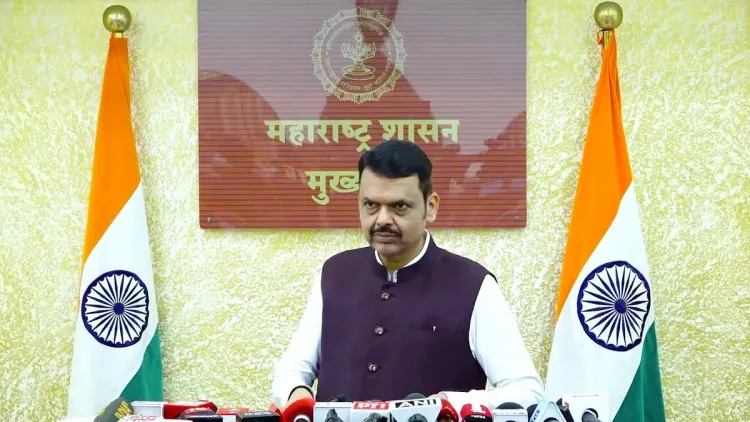
Maharashtra CM Devendra Fadnavis, at a Nagpur press conference on 27 September 2026, accused Rahul Gandhi of systematically defaming constitutional institutions to pave the way for a far-left government in India, sharpening a defining fault line between the BJP and Congress.
Key Takeaways
Devendra Fadnavis made the accusation at a press conference in Nagpur on 27 September 2026 .
He alleged that Rahul Gandhi seeks to discredit constitutional institutions as a strategy to install a far-left ideological government in India.
The charge was delivered in both Marathi and Hindi , broadening its intended audience.
Nagpur , the RSS organisational hub and Fadnavis's home constituency, added symbolic weight to the setting.
The BJP-Congress contest over the independence and credibility of constitutional bodies has been an intensifying fault line in Indian politics.
Congress responses and Maharashtra assembly proceedings in late 2026 will be the key markers to watch.
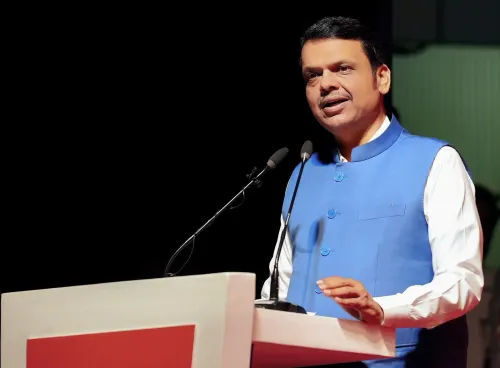
At a packed press conference in Nagpur on 27 September 2026, Maharashtra Chief Minister Devendra Fadnavis levelled a pointed charge at the Congress leader: that Rahul Gandhi seeks to discredit constitutional institutions as a stepping stone to installing a far-left government in India. The accusation, delivered in both Marathi and Hindi, landed as a direct political broadside ahead of what promises to be a charged season in Maharashtra politics.
Fadnavis's words, spoken in the bilingual mix that defines Maharashtra's political discourse, were unambiguous: 'Rahul Gandhi yanna samvaidhanik sansthana badnam karun Bhartat ati-davya vicharasarnichi rajvat anaychi ahe' — 'Rahul Gandhi wants to defame constitutional institutions in order to bring a far-left ideological government to India.' He repeated the charge in Hindi for emphasis, leaving no room for misreading the intent.
The institutional-credibility battleground
The accusation taps into a well-worn but intensifying fault line in Indian politics. BJP leaders have consistently argued that Congress's vocal criticism of bodies such as the Election Commission, the judiciary, and central investigative agencies amounts to deliberate delegitimisation — a charge Congress flatly rejects, calling it a shield for institutional capture. Fadnavis's framing on Sunday takes that argument a step further, attaching an ideological label — 'far-left' — to what he characterises as a systematic strategy.
Rahul Gandhi, as the most prominent face of the Indian National Congress, has repeatedly questioned the neutrality of constitutional and investigative bodies, framing it as a defence of democratic accountability. For the BJP, those same interventions are portrayed as attempts to erode public trust in the Republic's foundational structures. Both narratives have devoted constituencies, and neither shows any sign of softening.
Why Nagpur, why now
Nagpur is not an incidental backdrop. The city is the organisational heartland of the Rashtriya Swayamsevak Sangh (RSS), the ideological parent body of the BJP, and a venue where political messaging carries amplified symbolic weight. Fadnavis himself represents Nagpur South West in the Maharashtra Assembly, making the city his home turf — a deliberate choice of stage for a combative press conference that was always going to travel.
The timing also matters. With Maharashtra's legislative calendar moving into a busy late-2026 phase, both ruling and opposition camps are sharpening their narratives. Fadnavis's press conference signals that the BJP intends to keep the 'constitutional institutions' debate — and Congress's posture on it — front and centre as a political attack vector.
Whether Congress responds with a counter-press conference or lets the charge stand unanswered will reveal how the party reads its own positioning in the state. The next move is theirs.
Point of View
' the party attempts to shift the debate from the credibility of specific bodies to the ideological character of the opposition itself. This is a significant escalation in rhetoric, moving from 'Congress attacks institutions' to 'Congress wants to replace the republic's architecture.' The choice of Nagpur — the BJP-RSS nerve centre — as the venue underlines that this message is designed for a core ideological constituency as much as for the general public. The Congress's response, or lack of one, in Maharashtra's late-2026 political season will test whether the party has a credible counter-narrative ready.
NationPress
27 Sept 2026
Frequently Asked Questions
What did Devendra Fadnavis say about Rahul Gandhi at the Nagpur press conference?
Fadnavis accused Rahul Gandhi of deliberately defaming constitutional institutions in order to pave the way for a far-left ideological government in India. He made the statement on 27 September 2026 in both Marathi and Hindi.
Where did Fadnavis hold the press conference on 27 September 2026?
The press conference was held in Nagpur, a major city in eastern Maharashtra and Fadnavis's home constituency.
What constitutional institutions is the BJP referring to in this debate with Congress?
BJP leaders have generally pointed to bodies such as the Election Commission, the judiciary, and central investigative agencies when making this argument, though Fadnavis's statement on 27 September did not specify individual institutions by name.
Why does the BJP accuse Rahul Gandhi of having a 'far-left' agenda?
The BJP frames Congress's criticism of constitutional and investigative bodies as an attempt to delegitimise the state in pursuit of an ideology sympathetic to far-left politics. Congress rejects the charge, arguing its criticism is in defence of democratic accountability.
What is the political significance of Nagpur as the venue for Fadnavis's statement?
Nagpur is the organisational headquarters of the RSS, the ideological parent body of the BJP, and Fadnavis represents the city in the Maharashtra Assembly. Holding the press conference there amplifies the symbolic and ideological weight of the message.