FSSAI flags Nestle Low Fat Dairy Whitener as unsafe after The Lalit sample test
Synopsis
India's top food regulator has declared a Nestlé Low Fat Dairy Whitener sample from The Lalit hotel in New Delhi unsafe, ordering an immediate halt to its sale. Nestlé India is contesting the finding on a technical point about phosphorus measurement — setting up a regulatory battle that could have implications for how naturally occurring additives are assessed across the packaged dairy sector.
Key Takeaways
FSSAI on 3 October 2026 ordered an immediate ban on the sale of Nestlé Low Fat Dairy Whitener after a sample from The LaLiT New Delhi was found unsafe.
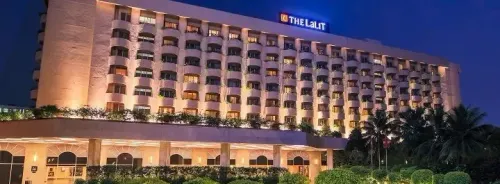
Bharat Hotels Ltd (The Lalit) received a formal FSSAI notice and has been directed to prohibit the product's sale pending further proceedings.
Vivek Shukla , CEO of The Lalit Suri Hospitality Group, said the hotel immediately discontinued use and removed all packets upon being notified.
Nestlé India contests the finding, arguing the lab measured total phosphorus rather than added phosphorus, and that the product meets all prescribed regulatory limits.
Bharat Hotels Ltd has been given the right to file an appeal against the Food Analyst's report within the prescribed statutory period.
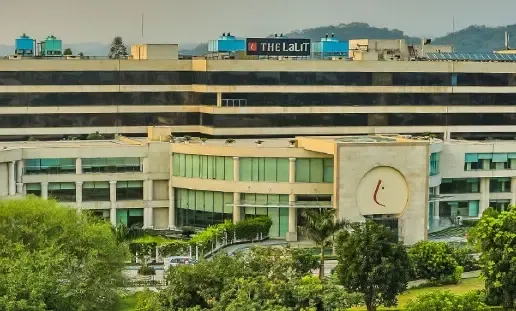
The Food Safety and Standards Authority of India (FSSAI) on Saturday, 3 October 2026, ordered immediate action against a Nestlé Low Fat Dairy Whitener after laboratory analysis of a sample obtained from Bharat Hotels Ltd (The Lalit), New Delhi found the product to be unsafe. The regulator has issued a formal notice to Bharat Hotels Ltd and directed the hotel operator to prohibit the sale of the identified product pending further proceedings.
What FSSAI Found and What It Ordered
FSSAI's laboratory analysis flagged the Nestlé Low Fat Dairy Whitener sample — collected from The LaLiT New Delhi approximately three months ago — as failing to meet safety standards. The regulator has directed the Food Business Operator (FBO) to immediately halt sale of the product and has also granted the hotel an opportunity to challenge the findings by filing an appeal against the Food Analyst's report within the period prescribed under food safety law.
The Lalit's Response
Vivek Shukla, CEO of The Lalit Suri Hospitality Group, confirmed that the dairy whitener was a packaged product procured directly from Nestlé India. He said the hotel acted promptly upon receiving the regulator's communication.
'The product was collected by FSSAI from The LaLiT New Delhi around three months ago. Upon receiving the communication, we immediately contacted Nestlé India and also discontinued its use, removing all packets from our operations,' Shukla said.
Shukla maintained that the question of regulatory compliance rested between FSSAI and Nestlé India, and not with the hotel operator. He added that The Lalit remains committed to the highest food safety standards and full compliance with applicable regulations.
Nestlé India Contests the Finding
Nestlé India has firmly pushed back against the FSSAI determination, asserting that the product is safe for consumption and meets all regulatory requirements. The company argued that phosphorus is naturally present in milk and milk-based products, and that the laboratory findings measured total phosphorus without distinguishing between naturally occurring phosphorus and phosphorus added as a food additive.
According to the company, the Low Fat Dairy Whitener remains within the prescribed limits for added phosphorus under Food Safety and Standards Regulations — including on an 'as consumed' basis. This dispute over measurement methodology is likely to form the core of any appeal proceedings.
Broader Context and What Comes Next
This is not the first time Nestlé's product portfolio has faced scrutiny from Indian food regulators. The FMCG giant has previously navigated high-profile regulatory challenges in India, most notably the Maggi noodles controversy in 2015, which resulted in a nationwide recall. While the current matter is far narrower in scope, it arrives at a time of heightened regulatory vigilance across the packaged food sector.
The hotel chain has the right to file an appeal against the Food Analyst's report, and Nestlé India's rebuttal on phosphorus methodology adds a technical dimension that regulators will need to address. The outcome of these proceedings will determine whether the product ban becomes permanent or is lifted. Both FSSAI's enforcement posture and Nestlé India's compliance defence will be closely watched by the broader food industry.
Point of View
Rather than distinguishing added phosphorus, sets a precedent that could affect a wide range of milk-based products if upheld. Nestlé India's technical rebuttal is substantively defensible, but the company now faces a familiar optics problem in India: a regulatory red flag, however contested, sticks in public memory. The real accountability question is for FSSAI — whether its laboratory methodology is scientifically sound and consistently applied across all dairy FMCGs, or whether enforcement is selective. That question deserves a straight answer before the next product gets flagged.
NationPress
3 Oct 2026
Frequently Asked Questions
Why did FSSAI act against Nestlé Low Fat Dairy Whitener?
FSSAI ordered action after laboratory analysis of a sample collected from The LaLiT New Delhi found the Nestlé Low Fat Dairy Whitener to be unsafe. The regulator has directed Bharat Hotels Ltd to immediately prohibit the product's sale pending further proceedings.
What is Nestlé India's response to the FSSAI finding?
Nestlé India has contested the finding, asserting that the product is safe and meets all regulatory requirements. The company argues that the laboratory measured total phosphorus without separating naturally occurring phosphorus from added phosphorus, and that its product complies with prescribed limits for added phosphorus under Food Safety and Standards Regulations.
How did The Lalit hotel respond to the FSSAI notice?
The Lalit's CEO Vivek Shukla said the hotel immediately contacted Nestlé India and discontinued use of the product upon receiving FSSAI's communication, removing all packets from its operations. He clarified that the compliance issue lies between FSSAI and Nestlé India, not with the hotel operator.
Can Bharat Hotels Ltd appeal the FSSAI food analyst's report?
Yes. FSSAI has given Bharat Hotels Ltd the opportunity to challenge the findings and file an appeal against the Food Analyst's report within the period prescribed under food safety law. The sale ban remains in effect pending the outcome of those proceedings.
Is this the first time Nestlé India has faced a major food safety dispute in India?
No. Nestlé India faced a significant regulatory challenge in 2015 when FSSAI ordered a nationwide recall of its Maggi noodles over lead and MSG concerns. That ban was eventually lifted after court proceedings. The current matter is narrower in scope but arrives amid heightened regulatory scrutiny of packaged foods.