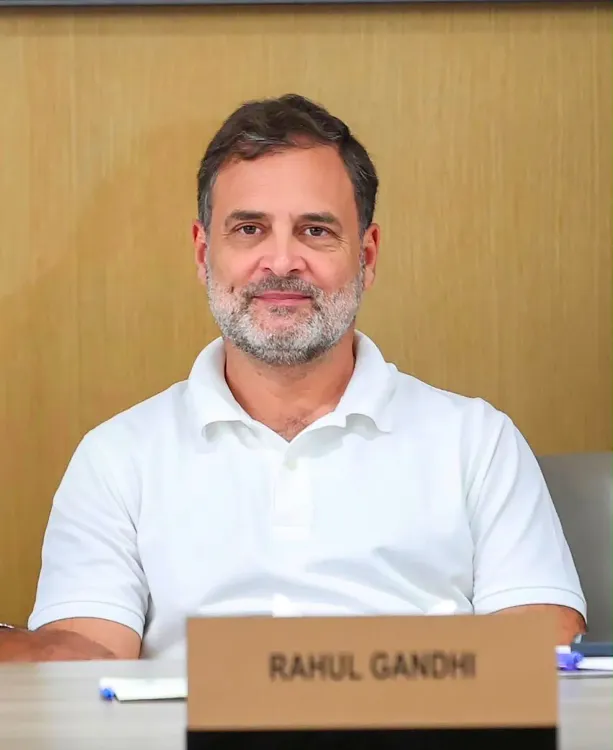
Rahul Gandhi's Pune visit on Aug 22 tests Congress unit's fractured unity
Synopsis
Rahul Gandhi's Pune student rally on 22 August is as much about internal Congress politics as it is about youth outreach. With the city unit split into rival East and West zones — one committee finalised, the other still pending — the visit is a rare moment when a fractured local unit must project unity in front of its national leader.
Key Takeaways
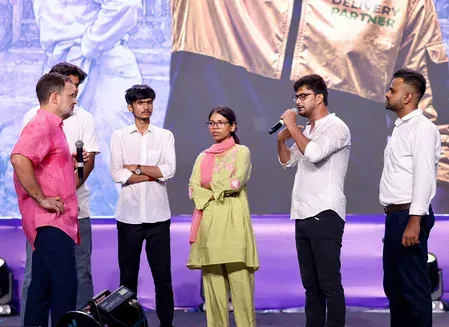
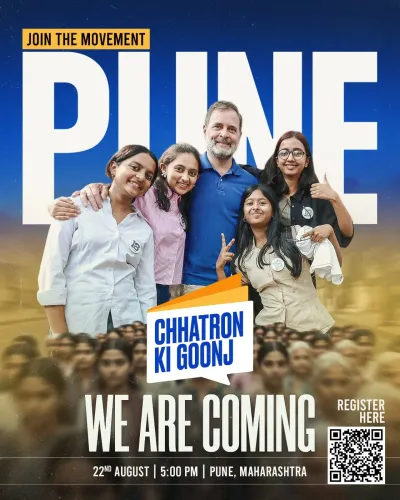
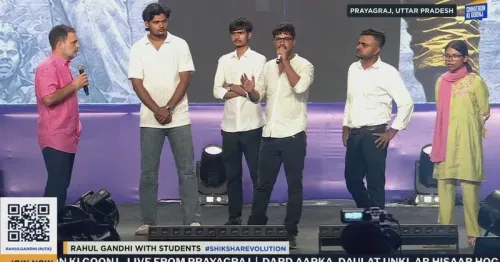
Rahul Gandhi is scheduled to visit Pune on 22 August for an interactive session with students as part of the 'Chhatron Ki Goonj' campaign.
The Pune segment focuses specifically on female students under the theme 'Now young women will speak, and the nation will listen'.
The Pune City Congress recently split into East Pune and West Pune zones; the East Zone executive committee under Prashant Jagtap remains unformed.
West Zone President Deepti Chaudhari has finalised her committee, while the East Zone appointments are still pending.
Former legislator Anant Gadgil said the visit is expected to 'activate workers and consolidate' the party's position ahead of upcoming Assembly elections .
Political observers warn the campaign's success depends on whether local leadership can unite after the event.
Congress leader and Leader of the Opposition in the Lok Sabha, Rahul Gandhi, is set to visit Pune on 22 August for a high-profile interactive session with students — an event that doubles as a stress test for the city's faction-ridden party unit. The Pune City Congress, historically one of the party's key organisational hubs in Maharashtra, is banking on the visit to revitalise its grassroots strength ahead of upcoming Assembly elections.
The 'Chhatron Ki Goonj' Campaign
Gandhi's Pune leg is part of his ongoing nationwide student outreach initiative, 'Chhatron Ki Goonj'. The city segment carries a specific focus on female students, operating under the theme 'Now young women will speak, and the nation will listen'. Pune's identity as Maharashtra's premier educational hub makes it a natural centrepiece for the campaign.
The programme takes on systemic student concerns including the NEET exam paper leak controversy, rising education costs, personal safety, competitive exam preparation, hostel facilities, and campus infrastructure — issues that have gained national traction among young voters.
Internal Fault Lines in Pune Congress
The visit arrives amid a significant administrative restructuring within the Pune City Congress. The unit recently bifurcated its organisational structure into East Pune and West Pune zones in a bid to decentralise leadership. However, the division has reportedly deepened existing factional tensions rather than resolve them.
West Zone President Deepti Chaudhari has finalised and released her official committee appointments. By contrast, the executive committee for the East Zone, headed by Prashant Jagtap — who joined the Congress from the Nationalist Congress Party (Sharadchandra Pawar) faction — remains pending. Joint preparatory sessions for the event have already surfaced these power dynamics, with Chaudhari opening proceedings while Jagtap presented proposals.
What Local Leaders Are Saying
Former party legislator Anant Gadgil, grandson of Congress veteran late Kakasaheb Gadgil, underscored the strategic significance of the visit. 'Rahul Gandhi's visit to Pune, the Oxford of the East, will rejuvenate Gen Z towards the Congress' ideology. Gen Z is sharp enough to read between the lines of ideological divides. Pune City expects this visit to activate workers, strengthen the organisation, and consolidate our position ahead of the upcoming Assembly elections,' Gadgil said.
The Bigger Challenge: Unity After the Event
Political observers note that despite the party launching street-level protests against civic grievances — potholes, traffic congestion, and illegal encroachments — the Pune Congress unit's most significant challenge remains internal rivalry rather than opposition dominance. The event provides a platform to align local civic issues such as water supply, parking, and pollution with national student concerns.
Analysts, however, caution that the campaign's long-term impact hinges on whether local leadership can consolidate after the event ends — a question that the bifurcated zone structure has left conspicuously unanswered.
Point of View
But Pune exposes a structural problem the Congress cannot paper over with a single rally. Splitting a city unit into zones is sound administrative logic — but when one zone's committee remains unformed weeks before a flagship event, it signals that the decentralisation has simply formalised existing power contests. The real question is not whether Gen Z in Pune responds to 'Chhatron Ki Goonj', but whether the party's local machinery can function cohesively enough to convert that response into votes. Maharashtra's Assembly elections will demand far more than a well-attended town hall.
NationPress
5 Oct 2026
Frequently Asked Questions
Why is Rahul Gandhi visiting Pune on 22 August?
Rahul Gandhi is visiting Pune on 22 August for a student interactive session under his nationwide campaign 'Chhatron Ki Goonj'. The Pune segment focuses on female students and addresses issues including the NEET paper leak, rising education costs, and campus safety.
What is the 'Chhatron Ki Goonj' campaign?
'Chhatron Ki Goonj' is a nationwide student outreach initiative by Congress leader Rahul Gandhi. It aims to engage young voters by addressing systemic education and campus issues, with city-specific themes tailored to local student concerns.
What is the internal conflict within Pune City Congress?
The Pune City Congress recently divided its structure into East and West Pune zones. While West Zone President Deepti Chaudhari has finalised her committee, the East Zone executive committee under Prashant Jagtap — who joined from the NCP(SP) — remains pending, deepening factional tensions.
Who is Anant Gadgil and what did he say about the visit?
Anant Gadgil is a former Congress legislator and grandson of party veteran late Kakasaheb Gadgil. He said Gandhi's visit would 'rejuvenate Gen Z towards the Congress' ideology' and help 'activate workers, strengthen the organisation, and consolidate' the party's position ahead of Assembly elections.
Why does the Pune visit matter for Maharashtra politics?
Pune is Maharashtra's premier educational hub and a historically significant Congress stronghold. The visit is seen as both a youth outreach effort and an internal unity test for a faction-ridden local unit, with Assembly elections on the horizon.