Greater Chennai Corporation plans biometric attendance for 36,381 employees
Synopsis
The Greater Chennai Corporation wants biometric attendance — including geofencing and real-time photo capture — for all 36,381 employees. But unions point out that similar systems were launched and abandoned before, and senior officials are still exempt from the existing setup at Ripon Building. The real test isn't the technology; it's whether GCC can enforce it uniformly this time.
Key Takeaways
Greater Chennai Corporation (GCC) is planning a biometric attendance system for all 36,381 employees , including 12,960 permanent and 23,421 contract staff.
The move follows repeated complaints of absenteeism and late reporting, particularly in the Ambattur zone among conservancy sanitary inspectors.
Field staff may be tracked via a mobile app with geofencing that captures photo and GPS location at attendance marking.
GCC Commissioner G.S.
Sameeran confirmed preliminary discussions but said detailed plans are pending a full feasibility assessment.
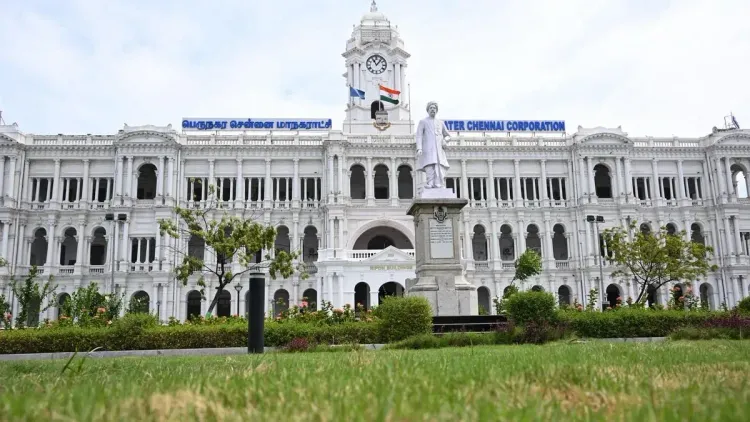
Employee unions say earlier attendance systems were not implemented effectively and note that senior officials remain exempt even from the current biometric setup at Ripon Building .
The Greater Chennai Corporation (GCC) is planning to roll out a comprehensive biometric attendance system covering all categories of its 36,381 employees — including 12,960 permanent staff and 23,421 contract workers — in a bid to enforce mandatory eight-hour work shifts and tighten workplace discipline across the civic body. The proposal is currently at a preliminary stage, GCC officials confirmed.
What Triggered the Move
The push for a technology-driven attendance framework follows persistent complaints of employees not reporting on time, with concerns particularly acute among field-level staff. According to officials, multiple zones have flagged irregularities, with the Ambattur zone repeatedly cited for allegations involving conservancy sanitary inspectors and erratic attendance patterns. The scale of GCC's operations — spread across numerous zones and departments — has made manual monitoring increasingly difficult to sustain.
How the Proposed System Would Work
Under the proposed framework, employees would be required to log attendance twice daily — at the start and close of their shift. For staff engaged in field inspections and outdoor duties, a mobile-based attendance mechanism integrated with geofencing technology is being considered. This system would capture the employee's photograph and GPS location at the time of marking attendance, allowing authorities to verify field presence in real time.
What GCC Commissioner Said
GCC Commissioner G.S. Sameeran confirmed that preliminary discussions on the feasibility of biometric attendance for all employee categories have been held. He clarified that the proposal remains at an early stage and that detailed implementation plans will be finalised only after a thorough assessment of operational requirements.
Past Attempts and Union Concerns
This is not GCC's first attempt at modernising attendance tracking. Former GCC Commissioner J. Kumaragurubaran noted that discussions on face-recognition attendance systems had previously taken place and that a mobile application for field staff attendance was developed earlier. However, employee unions contend that past systems were not implemented effectively, pointing to persistent enforcement gaps. Currently, biometric attendance is operational only for administrative staff at the Ripon Building, while several senior officials reportedly remain exempt from the existing system — a contradiction unions say must be addressed before any new rollout.
What Comes Next
GCC is expected to complete its feasibility assessment before finalising the rollout plan. If implemented, the system would represent one of the largest technology-driven workforce monitoring exercises undertaken by a Chennai civic body. Whether the new framework can overcome the implementation hurdles that stalled earlier efforts will depend on how the Corporation addresses union concerns and ensures uniform enforcement across all levels of staff.
Point of View
It is a hierarchy. If the Corporation is serious this time, it must start by closing the exemption loophole at Ripon Building before it asks a sanitary inspector in Ambattur to geotag herself twice a day.
NationPress
7 Oct 2026
Frequently Asked Questions
What is the GCC biometric attendance system proposal?
The Greater Chennai Corporation is planning to introduce biometric attendance for all 36,381 employees to enforce eight-hour work shifts and improve accountability. The proposal is currently at a preliminary stage, with detailed plans pending a feasibility assessment.
How would the attendance system work for field staff?
Field and outdoor duty staff may be required to mark attendance through a mobile application integrated with geofencing technology. The system would capture the employee's photograph and GPS location in real time, allowing supervisors to verify field presence remotely.
Why is GCC introducing this system now?
The move follows persistent complaints about employees not reporting on time, particularly in the Ambattur zone where allegations of irregular attendance among conservancy sanitary inspectors have recurred across multiple zones of the civic body.
Has GCC tried similar systems before?
Yes. Former GCC Commissioner J. Kumaragurubaran confirmed that face-recognition attendance discussions had taken place earlier and a mobile attendance app for field staff was developed previously. Employee unions say those systems were never implemented effectively.
Who is currently covered by biometric attendance at GCC?
At present, biometric attendance is operational only for administrative staff at the Ripon Building. Several senior officials reportedly remain exempt from the existing system, a gap that unions have flagged as a concern ahead of any new rollout.