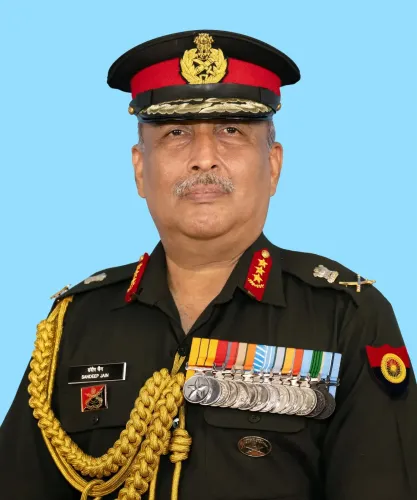
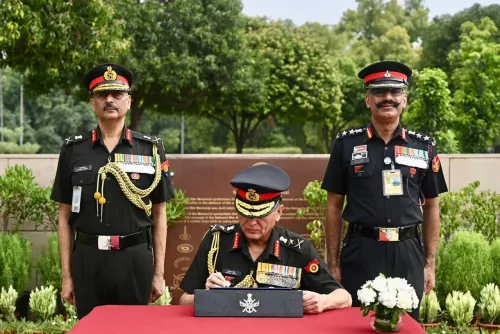
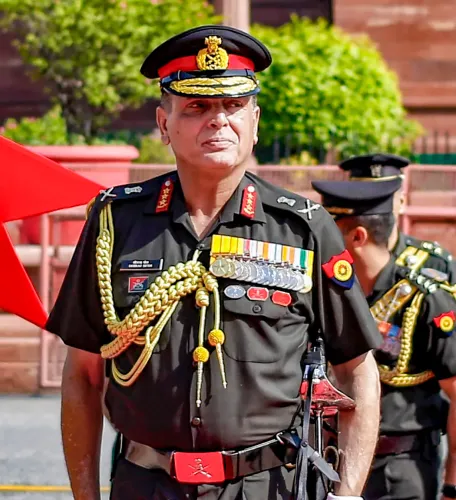
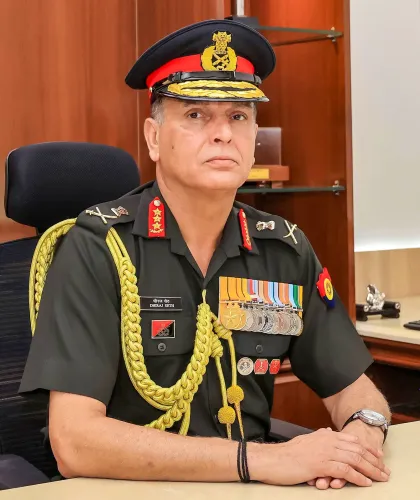
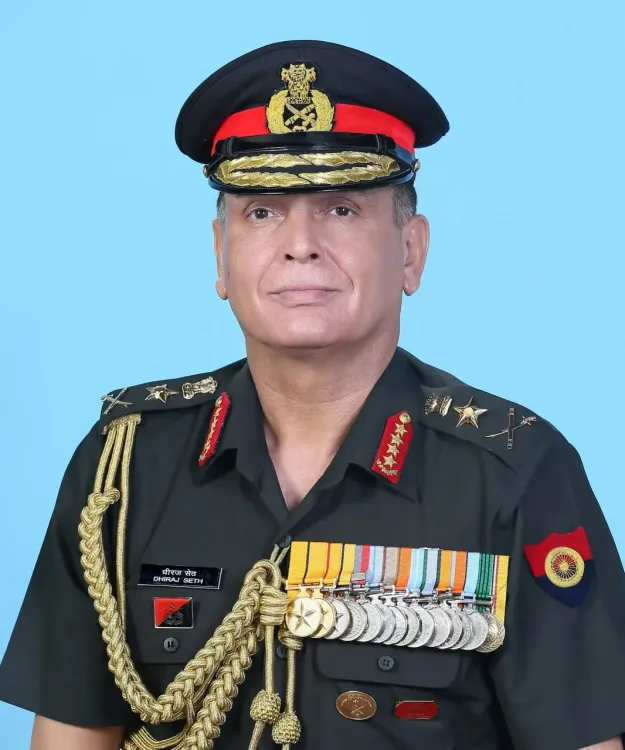
General Dhiraj Seth takes charge as Chief of Army Staff, succeeding Gen Dwivedi
Synopsis
For the first time since 1997, a combat-branch officer leads the Indian Army. General Dhiraj Seth's appointment as COAS is not just a routine succession — it ends nearly three decades of non-Armoured Corps leadership and places a strike-formation commander at the helm precisely when India is pushing hardest on theatre command reforms and dual-front border preparedness.
Key Takeaways
General Dhiraj Seth assumed charge as Chief of the Army Staff on 30 June , succeeding General Upendra Dwivedi .
He is the first officer from the Armoured Corps to lead the Indian Army since General Shankar Roychowdhury in 1997 .
Commissioned in December 1986 , Gen Seth brings nearly four decades of military service across command, strategy, and capability development.
He commanded two full operational Army Commands — South Western Command and Southern Command — a rare distinction.
His tenure is expected to run until August 2028 , covering a critical period of theatre command reform and border security.
He has been awarded the PVSM , UVSM , and AVSM for his contributions to national security.
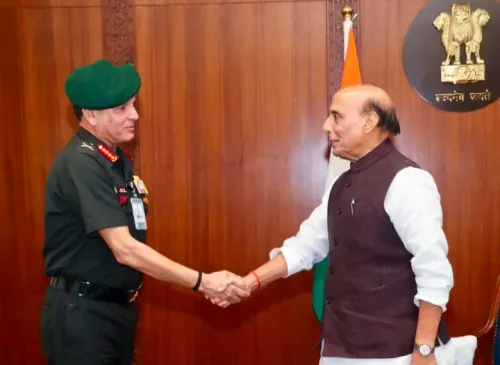
General Dhiraj Seth assumed charge as the Chief of the Army Staff (COAS) on 30 June, succeeding General Upendra Dwivedi who retired on Tuesday. The transition marks a significant moment in the Indian Army's leadership, with Gen Seth becoming the first officer from the Armoured Corps — a combat branch — to lead the force since General Shankar Roychowdhury held the post in 1997.
A Historic Appointment
Gen Seth's elevation breaks nearly three decades of non-combat-branch leadership at the top of the Indian Army. Commissioned into the Armoured Corps in December 1986 after graduating from the National Defence Academy, he brings close to four decades of military service spanning operational command, strategic planning, and capability development. His tenure is expected to run until August 2028.
Operational Record Across Critical Theatres
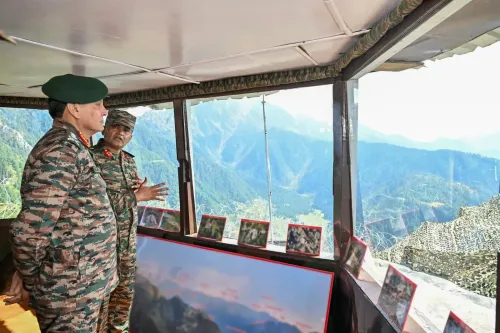
Gen Seth's field career is distinguished by command at every formation level across diverse and demanding environments. He commanded an Armoured Regiment in the desert sector and an Armoured Brigade in the western theatre, before leading a Counter-Insurgency Force in Jammu and Kashmir. As a Lieutenant General, he commanded the Sudarshan Chakra Corps, one of the Army's premier strike formations, before serving as General Officer Commanding, Delhi Area. He is among a rare cohort of officers to have commanded two full operational Army Commands — the South Western Command and the Southern Command — providing strategic oversight across some of the country's most sensitive military theatres for over two-and-a-half years.
Modernisation and Strategic Planning
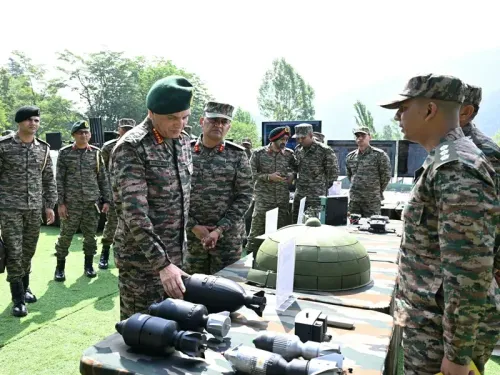
Beyond field command, Gen Seth has been a key architect of the Army's long-term transformation agenda. He held senior positions in the Strategic Planning and Capability Development branches at Army Headquarters, where he helped shape the modernisation roadmap, capability enhancement plans, and force restructuring initiatives. His work is credited with aligning operational requirements to emerging technologies and the evolving demands of future warfare. He is a graduate of the Higher Command Course and the National Defence College, and has attended the Command and Staff Course in Paris.
Challenges Ahead
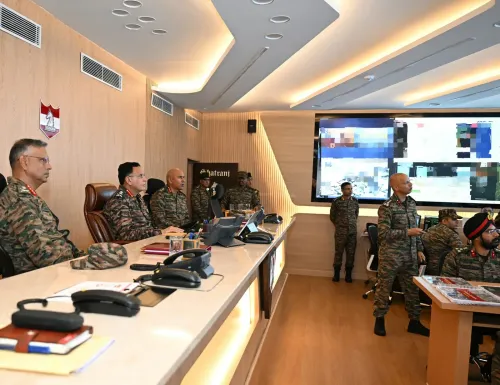
Gen Seth takes charge at a critical juncture. The Army is navigating an ambitious agenda that includes force modernisation, the rollout of integrated theatre command structures, and heightened operational preparedness along the borders with China and Pakistan. His background in both strike-formation command and strategic planning positions him to drive these priorities simultaneously. He has been conferred the Param Vishisht Seva Medal (PVSM), Uttam Vishisht Seva Medal (UVSM), Ati Vishisht Seva Medal (AVSM), and other distinguished service awards for his contributions to national security.
With theatre command reforms at a delicate stage and border situations demanding sustained vigilance, all eyes will be on how Gen Seth shapes the Army's institutional and operational direction over the next two years.
Point of View
At a time when integrated theatre commands demand officers who understand offensive manoeuvre, not just staff coordination. The harder question is whether Gen Seth's modernisation credentials will translate into actual structural reform of theatre commands, which have stalled for years amid inter-service friction. His dual Army Command experience gives him credibility across theatres, but the political will to push through jointness reforms ultimately sits outside Army Headquarters.
NationPress
29 Sept 2026
Frequently Asked Questions
Who is the new Chief of the Army Staff of India?
General Dhiraj Seth is the new Chief of the Army Staff, having assumed charge on 30 June 2025. He succeeds General Upendra Dwivedi, who retired on the same day.
Why is General Dhiraj Seth's appointment historically significant?
Gen Seth is the first officer from the Armoured Corps — a combat branch — to head the Indian Army since General Shankar Roychowdhury in 1997, ending nearly three decades of non-combat-branch leadership at the top of the force.
How long will General Dhiraj Seth serve as Army Chief?
Gen Seth's tenure as Chief of the Army Staff is expected to run until August 2028, giving him over two years to advance the Army's modernisation and theatre command agenda.
What are the key priorities General Dhiraj Seth will focus on?
Gen Seth takes charge at a critical time, with the Army focused on force modernisation, the implementation of integrated theatre command structures, and enhanced operational preparedness along the borders with China and Pakistan.
What is General Dhiraj Seth's military background?
Commissioned into the Armoured Corps in December 1986 after graduating from the National Defence Academy, Gen Seth commanded an Armoured Regiment, an Armoured Brigade, a Counter-Insurgency Force in Jammu and Kashmir, the Sudarshan Chakra Corps, and both the South Western Command and Southern Command over a career spanning nearly four decades.