Dilip Ghosh: Police body language signals regime change in Bengal
Synopsis
BJP leader Dilip Ghosh is reading the body language of West Bengal's police as a political omen — claiming their conduct during the two-phase Assembly elections signals an inevitable end to 15 years of TMC rule. With counting set for May 4, the claim adds to the high-stakes narrative building around Bengal's most watched election in years.
Key Takeaways
Dilip Ghosh (BJP) claimed a visible shift in West Bengal Police and Kolkata Police body language during the 23 April and 29 April Assembly election phases signals a regime change.
Ghosh praised Chief Election Commissioner Gyanesh Kumar for completing the Special Intensive Revision (SIR) exercise despite opposition from the ruling TMC .
The two-phase polls reportedly recorded the lowest-ever poll-related violence and a record average polling percentage in West Bengal's history.
The TMC has governed West Bengal for 15 years and is contesting the BJP's narrative ahead of the results.
Vote counting and results are scheduled for 4 May under unprecedented security coverage.
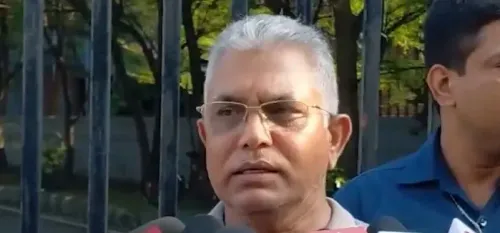
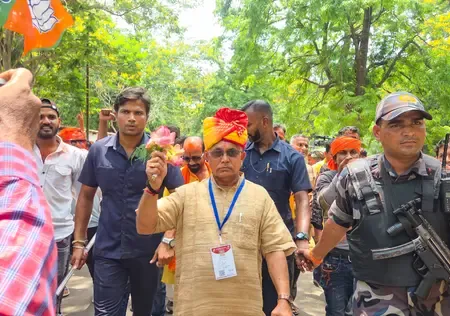
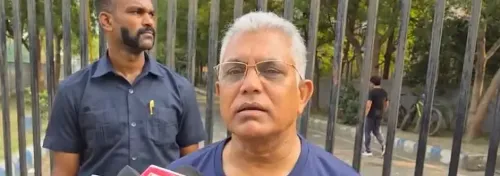
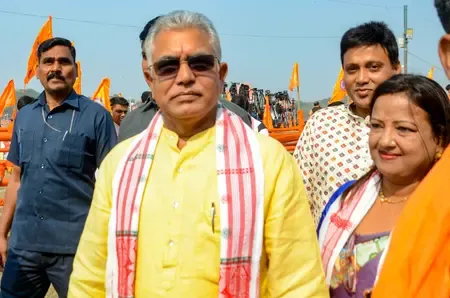
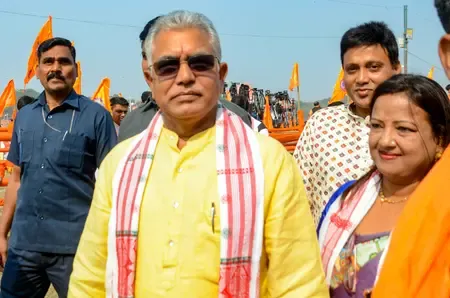
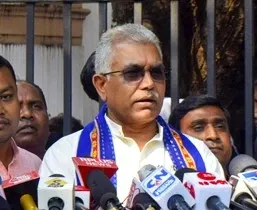
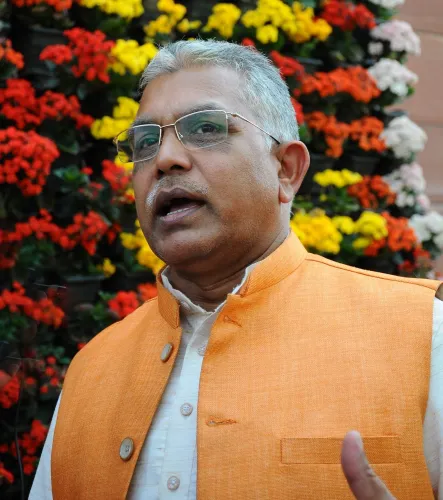
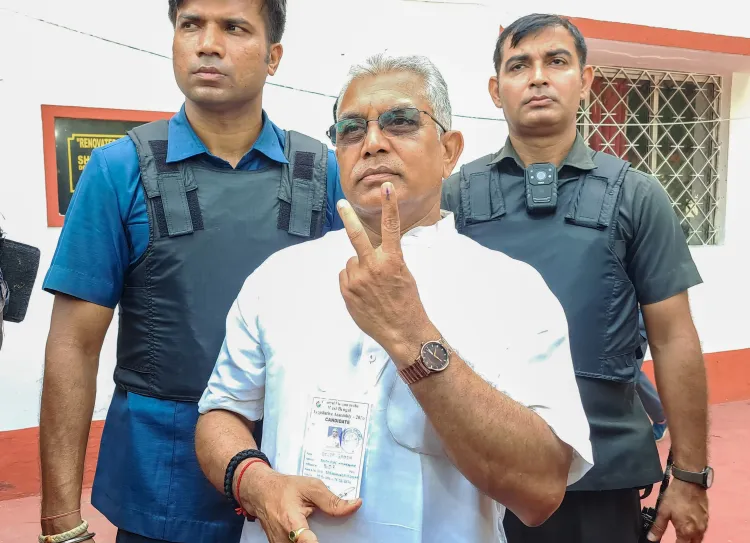
Bharatiya Janata Party (BJP) leader and former national vice-president Dilip Ghosh on Thursday, 30 April claimed that a visible shift in the body language of West Bengal Police and Kolkata Police personnel during the two phases of the state Assembly elections — held on 23 April and 29 April — is a clear indicator of an impending change of regime in the state. Ghosh, a former Lok Sabha member and the BJP candidate from Kharagpur (Sadar) Assembly constituency in West Midnapore, made the remarks while speaking to media persons in the morning.
What Ghosh Said About Police Conduct
"In both the phases of polls, especially in the second phase on Wednesday, the central forces have done an excellent job. But most importantly, a change in the body language of both the West Bengal Police and the Kolkata Police was evident on Wednesday. Generally, the body language of state police personnel changes when there is an inevitable change in regime in that state," said Ghosh.
The BJP leader argued that such behavioural shifts among state police are historically associated with transitions of political power. His remarks are likely to be contested by the ruling All India Trinamool Congress (TMC), which has governed West Bengal for 15 years.
Praise for Chief Election Commissioner
Ghosh was effusive in his praise for Chief Election Commissioner (CEC) Gyanesh Kumar, taking a pointed dig at critics who had mocked the official. "Some people mocked and gave him the name of 'Vanish Kumar'. Those people have themselves vanished now," he said.
According to Ghosh, the TMC had opposed the Special Intensive Revision (SIR) exercise from the outset, with the ruling party allegedly forming an association of booth-level officers at the ground level to resist it. He noted that the CEC was shown black flags during his visit to West Bengal, yet the revision exercise was completed successfully. "So, this time only genuine voters voted spontaneously and peacefully," Ghosh added.
Record Polling and Lowest Violence
The two-phase polling in West Bengal was conducted under what officials described as unprecedented security coverage. According to available data, the elections recorded the lowest-ever incidents of poll-related violence on both polling days. Notably, the average polling percentage across the two phases reportedly surpassed all previous records, both in West Bengal and nationally.
This comes amid a broader national conversation about the conduct of state elections under central security deployment, with opposition parties in several states having raised concerns about impartiality of both state police and central forces in recent electoral cycles.
What Happens Next
Vote counting is scheduled for 4 May, with results to be declared on the same day, again under what authorities have described as unprecedented security arrangements. The outcome will be closely watched as a referendum on 15 years of TMC rule in the state and a key test of BJP's electoral strategy in eastern India.
Point of View
The conduct of state police during elections has historically been a genuine indicator of administrative neutrality, and the reported absence of large-scale violence is a verifiable data point worth noting. What mainstream coverage underweights is the SIR controversy: the TMC's aggressive resistance to voter roll revision, and the ECI's persistence despite protests, may have had a more concrete impact on electoral outcomes than any symbolic body language shift. The real story of this Bengal election will be written on counting day — and whether the record turnout translates into a BJP surge or a TMC consolidation.
NationPress
20 Sept 2026
Frequently Asked Questions
What did Dilip Ghosh say about West Bengal Police during the elections?
Dilip Ghosh claimed that the body language of West Bengal Police and Kolkata Police personnel visibly changed during the two election phases on 23 April and 29 April 2025, which he interpreted as a sign of an inevitable regime change. He argued that such shifts historically occur when a ruling party is about to lose power.
When will West Bengal Assembly election results be declared?
The counting of votes is scheduled for 4 May, and results will be declared on the same day under what authorities have described as unprecedented security arrangements.
What is the Special Intensive Revision (SIR) controversy in West Bengal?
The Special Intensive Revision (SIR) was a voter roll revision exercise conducted by the Election Commission of India. The TMC opposed it strongly, reportedly forming an association of booth-level officers to resist it, and showed black flags to Chief Election Commissioner Gyanesh Kumar during his visit to the state. Despite the opposition, the exercise was completed successfully.
How was the polling in West Bengal's two-phase Assembly elections?
The two phases, held on 23 April and 29 April, reportedly recorded the lowest-ever incidents of poll-related violence and a record average polling percentage, both in West Bengal and nationally, according to available data.
Who is Dilip Ghosh and which seat is he contesting?
Dilip Ghosh is a former national vice-president and former state president of the BJP, as well as a former Lok Sabha member. He is contesting the 2025 West Bengal Assembly elections from the Kharagpur (Sadar) constituency in West Midnapore district.