Giriraj Singh condoles death of 1974 movement veteran's son
Synopsis
Union Textiles Minister Giriraj Singh personally visited the home of Rajaram Pandey, a fellow participant in the 1974 Bihar movement, to condole the untimely death of Pandey's son and offer solidarity to the bereaved family.
Key Takeaways
Giriraj Singh visited the residence of Rajaram Pandey on 12 July 2026 to personally offer condolences.
Pandey is a longtime associate of Singh from the historic 1974 Bihar movement against corruption.
Singh prayed for the departed soul and for strength for the grieving family, closing with Om Shanti .
The 1974 Bihar movement led by Jayaprakash Narayan preceded the 1977 Janata Party election victory that ended the Emergency.
Senior Bihar BJP leaders regularly maintain personal ties with families of JP movement veterans as part of the party's historical identity in the state.
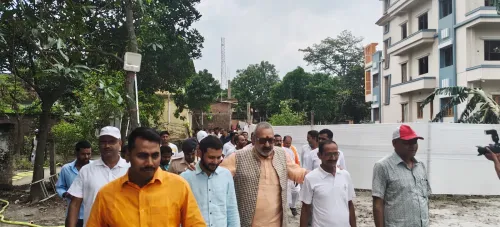
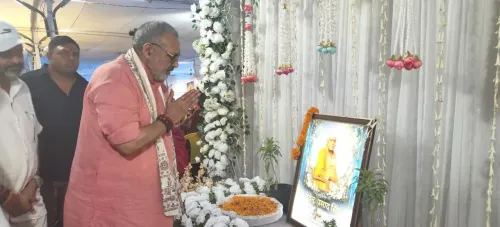
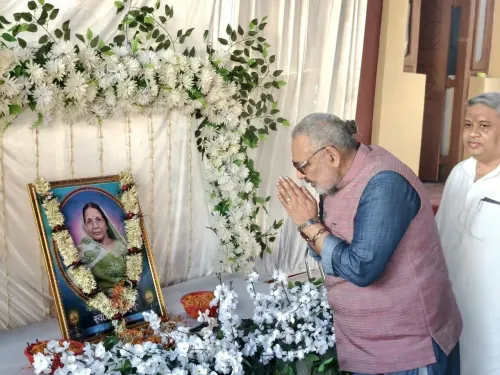
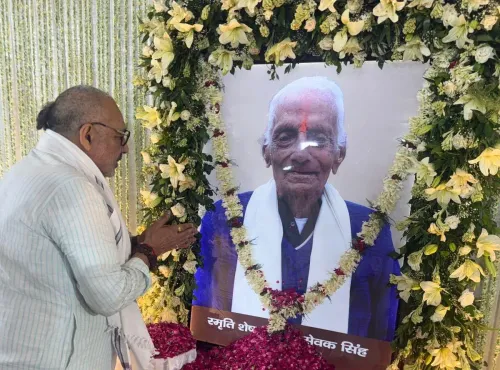
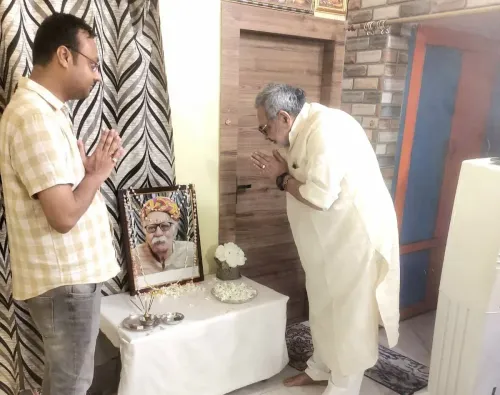
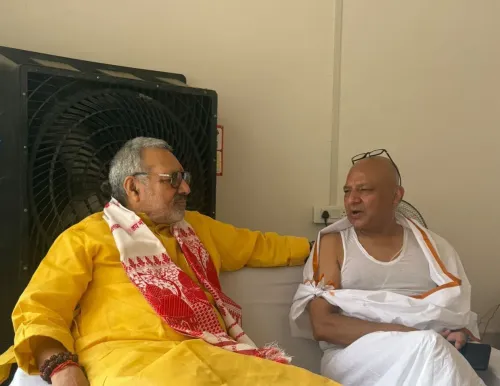
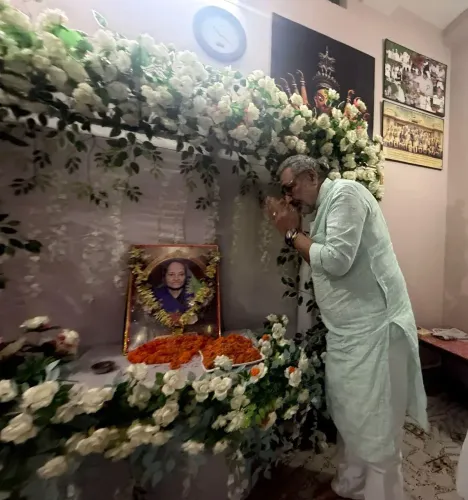
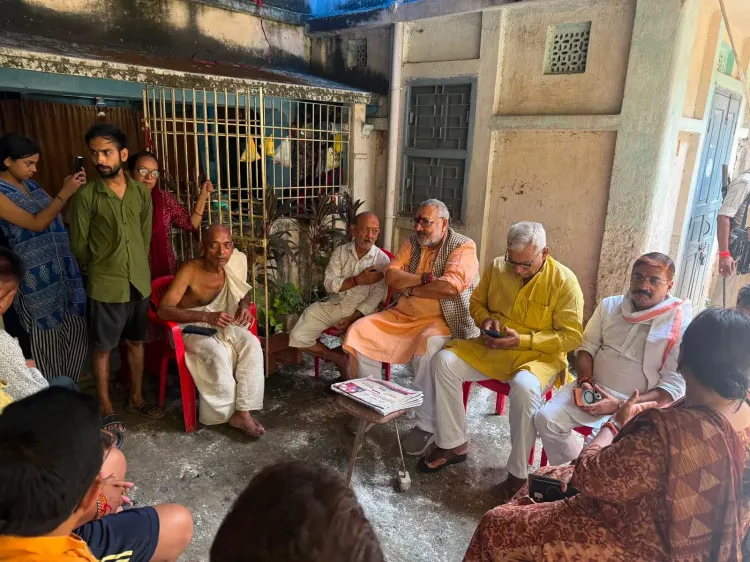
Union Textiles Minister Giriraj Singh on Sunday, 12 July 2026 visited the residence of Rajaram Pandey — a longtime associate from the historic 1974 Bihar movement — to personally offer condolences after the untimely death of Pandey's son. The minister expressed deep grief over the loss and stood in solidarity with the bereaved family.
In his post, Singh wrote: '1974 ke aitihasik andolan ke hamare purane sathi Shri Rajaram Pandey ji ke putra ke asamayik nidhan ka samachar atyant duhkhad hai' — ('The news of the untimely passing of the son of our old comrade from the historic 1974 movement, Shri Rajaram Pandey ji, is deeply sorrowful.')
Singh added that he had reached Pandey's home to meet him and his grief-stricken family, conveying his heartfelt condolences. He prayed that God grant the departed soul a place at His feet and give the bereaved family the strength and support to bear this immense sorrow, closing with Om Shanti.
Context
Rajaram Pandey is identified by Singh as a fellow participant in the 1974 Bihar movement — the student-led agitation against corruption and misgovernance that galvanised Bihar and eventually contributed to the broader national movement against the Emergency. The bond forged during that agitation has remained a defining thread in the political and personal networks of many Bihar BJP leaders, including Singh.
Singh's personal visit to the family home underscores the weight he attaches to this relationship, going beyond a routine social-media condolence to a direct, in-person expression of grief.
Policy Backdrop
The 1974 Bihar movement, led by veteran socialist leader Jayaprakash Narayan — popularly known as JP — is widely regarded as a foundational chapter in the political biography of a generation of leaders who later formed the core of the anti-Congress opposition. The movement preceded the 1977 general election victory of the Janata Party, which ended the Congress-led Emergency regime.
For Bihar BJP figures, invoking and honouring ties to the JP movement era is both a personal commitment and a broader statement of political identity — positioning themselves as inheritors of a democratic resistance tradition distinct from the Congress legacy.
Stakeholders and Impact
The condolence touches a network of Bihar-based political families and grassroots activists whose roots trace back to the 1974 agitation. These networks have historically provided the organisational backbone for opposition politics in the state and retain symbolic significance for the BJP's Bihar unit.
Senior leaders maintaining direct personal contact with the families of movement veterans reinforces loyalty and continuity within these networks — a practice common across party lines in Bihar's deeply relationship-driven political culture.
What's Next
It remains to be seen whether other Bihar BJP leaders or opposition figures associated with the JP movement legacy will similarly reach out to the Pandey family. Any follow-up statements from the state unit or related political circles could signal the continued salience of 1974 movement networks in contemporary Bihar politics.
For Giriraj Singh, the visit reinforces his long-standing practice of maintaining personal bonds with comrades from his formative political years — a dimension of his public persona that runs alongside his role as a senior Union minister.
Point of View
Publicly honouring these ties is also a form of historical positioning: it anchors the party's identity in a democratic resistance tradition that predates and defines itself against Congress. The gesture reflects a broader pattern in which senior leaders invest in relationship capital with grassroots movement networks, which remain organisationally relevant in the state. As Bihar approaches its next electoral cycle, such visible acts of solidarity with movement-era families carry both personal and political weight.
NationPress
12 Jul 2026
Frequently Asked Questions
Who is Rajaram Pandey and why is Giriraj Singh visiting him?
Rajaram Pandey is a veteran associate of Giriraj Singh from the 1974 Bihar movement against corruption. Singh visited his home on 12 July 2026 to personally condole the untimely death of Pandey's son.
What was the 1974 Bihar movement?
The 1974 Bihar movement was a student-led agitation against corruption and misgovernance, spearheaded by Jayaprakash Narayan. It became a cornerstone of the national opposition to the Emergency and contributed to the Janata Party's 1977 election victory.
What did Giriraj Singh say in his condolence post?
Singh called the news of the untimely death of Rajaram Pandey's son 'deeply sorrowful,' said he visited the family home personally, and prayed for the departed soul and for the family's strength to bear the loss, ending with Om Shanti.
Why do Bihar BJP leaders emphasise links to the 1974 JP movement?
Bihar BJP leaders highlight their association with the 1974 JP movement to position themselves as inheritors of a democratic resistance tradition distinct from Congress, reinforcing their political identity in the state.
What is Giriraj Singh's current political role?
Giriraj Singh is the Union Minister of Textiles, a senior BJP leader, and the Lok Sabha MP from Begusarai, Bihar.