Government Adjusts CAFE 2027 Regulations, Eases Compliance for Heavy Vehicles
Synopsis
The Indian government has relaxed CAFE standards for 2027-2032, benefiting the automotive sector. This shift to a more flexible compliance framework aims to align the industry with climate goals while offering incentives for electric and hybrid vehicles.
Key Takeaways
CAFE 2027 norms are now more lenient, offering relief to the auto industry.
A phased tightening approach replaces the previous rigid targets.
Super credits for electric and hybrid vehicles incentivize greener options.
Credit trading among manufacturers is now allowed.
Small-volume manufacturers are exempt from compliance.
New Delhi, April 13 (NationPress) The government has introduced more lenient Corporate Average Fuel Efficiency (CAFE) standards for the period of 2027 to 2032, providing a boost to the local automotive industry, as reported by NDTV Profit.
A revised blueprint, crafted by the Ministry of Power in collaboration with the Bureau of Energy Efficiency (BEE), signifies a shift from stringent target frameworks to a strategy of gradual tightening. This proposal features a gentler compliance curve, which lessens the competitive edge previously held by heavier vehicles.
Referred to as CAFE 2027, this draft marks the third phase of India's roadmap for fleet-level fuel efficiency, designed to synchronize the automobile sector with the nation's overarching climate and energy objectives.
The new regulations are scheduled to be implemented starting from April 1, 2027, and will progressively become stricter through FY32, according to the report.
It was noted that the altered framework represents a significant easing from the draft proposed in September 2025. The emission curve has been recalibrated with a new slope formula, starting at 0.00158 in FY28 and easing to 0.00131 by FY32, which allows for slightly increased fuel consumption compared to earlier proposals.
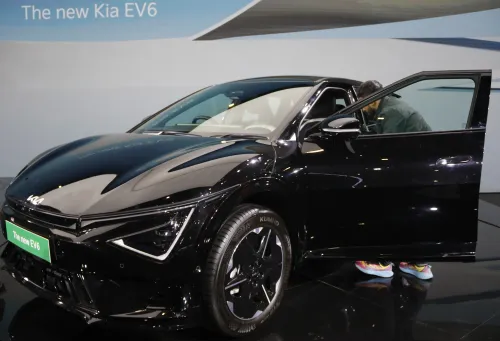
The draft also offers super credits for electric and hybrid vehicles, enabling them to be counted as multiple units during fleet-level emissions calculations. Plug-in hybrids and flex-fuel hybrids are anticipated to benefit from higher multipliers within the proposed structure.
Furthermore, credit trading among manufacturers has been authorized, granting carmakers added flexibility in fulfilling their compliance responsibilities.
However, penalties for failing to comply could reach hundreds of crores of rupees for large manufacturers, making the EV and hybrid credit system a crucial financial tool for the sector, as reported.
Additionally, niche manufacturers producing fewer than 1,000 units each year have been exempted from these compliance mandates, providing support to small-volume producers.
Point of View
It's crucial to recognize that the government's revisions to the CAFE 2027 norms represent a strategic shift towards balancing environmental responsibility with economic viability. This approach aims to support the domestic auto industry while still addressing climate concerns, reflecting a nuanced understanding of the challenges faced by manufacturers.
NationPress
19 Sept 2026
Frequently Asked Questions
What are the new CAFE 2027 norms?
The new CAFE 2027 norms are relaxed fuel efficiency standards for the automotive industry in India, set to be implemented from April 1, 2027.
How do these changes impact heavy vehicles?
The revised norms reduce the compliance edge previously enjoyed by heavier vehicles, promoting a more equitable standard across all vehicle types.
What incentives exist for electric and hybrid vehicles?
The draft includes super credits for electric and hybrid vehicles, allowing them to count as multiple vehicles in emissions calculations.
Are there penalties for non-compliance?
Yes, penalties for non-compliance can reach hundreds of crores of rupees for large manufacturers.
Who is exempt from compliance requirements?
Niche manufacturers producing fewer than 1,000 units annually are exempt from these compliance requirements.