Piyush Goyal Hosts US Trade Rep Greer for Bilateral Trade Talks
Synopsis
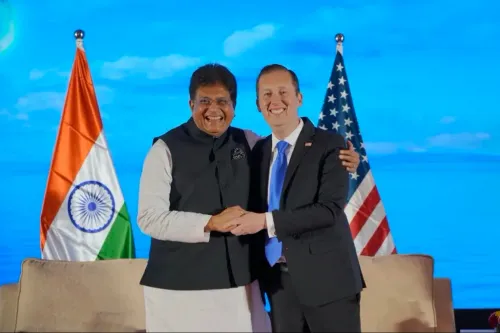
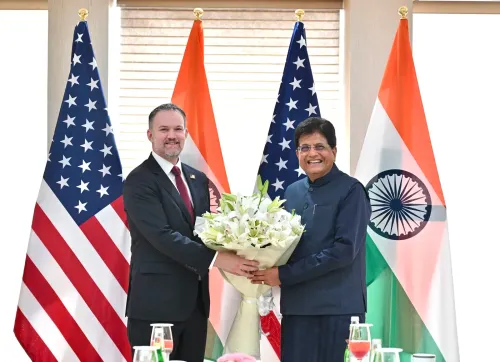
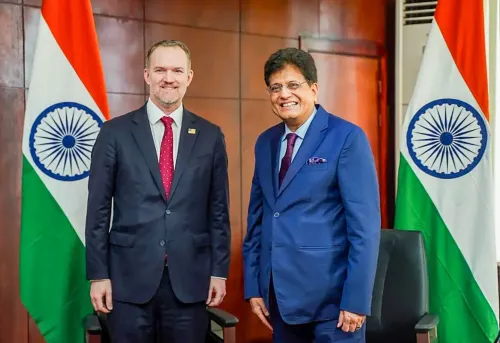
Union Commerce Minister Piyush Goyal hosted US Trade Representative Jamieson Greer and US Ambassador Sergio Gor at the Department of Commerce in New Delhi on 23 June 2026, opening discussions aimed at advancing a comprehensive India-US bilateral trade agreement.
Key Takeaways
Union Commerce Minister Piyush Goyal met US Trade Representative Ambassador Jamieson Greer and US Ambassador Sergio Gor at the Department of Commerce on 23 June 2026 .
The meeting is focused on advancing a bilateral trade agreement between India and the United States .
The US-India Trade Policy Forum has been a structured platform for trade dialogue since 2005 .
Previous limited trade package talks in 2019-2020 covered medical devices and agricultural products but did not produce a comprehensive deal.
Key stakeholders include Indian exporters in pharmaceuticals, textiles, and IT, as well as US businesses seeking greater access to Indian markets.
A joint statement and signals on a follow-up ministerial or summit meeting are the immediate outcomes to watch.
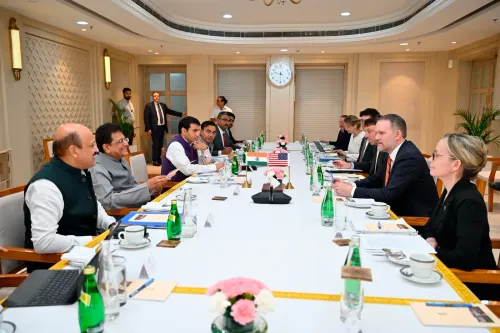
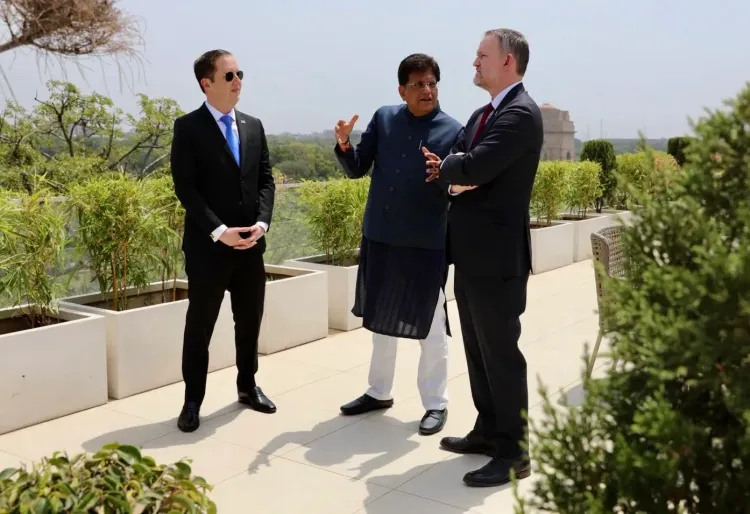
Union Commerce and Industry Minister Piyush Goyal on Tuesday, 23 June 2026 welcomed United States Trade Representative Ambassador Jamieson Greer, US Ambassador to India Sergio Gor, and their delegation to the Department of Commerce, Government of India in New Delhi, signalling a fresh push toward a comprehensive bilateral trade agreement between the two countries.
Context
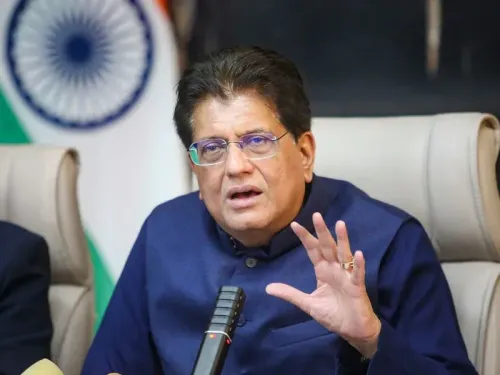
Goyal extended a 'warm welcome' to the American delegation and expressed that he was 'looking forward to productive discussions on the bilateral trade agreement between India and the US,' according to his post on X. The meeting at the Department of Commerce brings together the two countries' top trade officials for what both sides have framed as a substantive negotiating round.
Ambassador Greer leads the Office of the United States Trade Representative, the principal agency responsible for developing and coordinating US international trade policy. Ambassador Gor serves as the US envoy to India, playing a coordinating role in diplomatic and economic engagements between the two nations.
Policy Backdrop
India and the United States established the US-India Trade Policy Forum in 2005 as a structured platform to resolve bilateral trade disputes and expand commerce. Limited trade package discussions took place between 2019 and 2020, covering sectors such as medical devices and agricultural products, but a comprehensive agreement remained elusive.
The two economies have steadily deepened ties within a broader strategic partnership that encompasses technology cooperation and supply-chain diversification. Successive administrations on both sides have pursued incremental progress toward reducing tariffs and non-tariff barriers, even as global trade patterns have shifted and Indo-Pacific economic architecture has gained renewed attention.
Stakeholders and Impact
Indian exporters — particularly in sectors such as pharmaceuticals, textiles, information technology services, and engineering goods — stand to gain significantly from improved market access in the United States if negotiations yield a formal agreement. US businesses seeking deeper penetration into India's large consumer market, including agriculture and high-technology firms, are equally invested in the outcome.
A bilateral trade agreement between the world's largest democracy and the world's largest economy would carry implications well beyond tariff schedules, potentially shaping regulatory alignment, intellectual property frameworks, and digital trade norms across the Indo-Pacific region.
What's Next
Observers will watch closely for any joint statement emerging from the current round of talks, as well as signals on the timeline for a possible follow-up ministerial or summit-level meeting. The pace and substance of negotiations will be a key indicator of whether the two sides are converging on the contours of a deal.
The engagement reinforces a pattern of high-level trade diplomacy between New Delhi and Washington at a time when both governments are prioritising supply-chain resilience and seeking to lock in preferential economic arrangements with trusted partners.
Point of View
A tangible movement toward a bilateral trade agreement with Washington would be a significant foreign economic policy achievement, reinforcing India's positioning as a preferred partner in US supply-chain diversification strategies. The presence of both the Trade Representative and the US Ambassador in the same room at the Department of Commerce suggests a degree of diplomatic coordination that goes beyond routine engagement. How quickly both sides can bridge longstanding differences on agriculture, digital trade, and intellectual property will determine whether this round marks a genuine turning point or another step in a long diplomatic marathon.
NationPress
22 Sept 2026
Frequently Asked Questions
What is the India-US bilateral trade agreement being discussed?
The India-US bilateral trade agreement is a proposed comprehensive pact aimed at reducing tariffs and non-tariff barriers between the two countries, improving market access for goods and services, and aligning regulatory frameworks across key sectors.
Who is Jamieson Greer and why is he visiting India?
Jamieson Greer is the United States Trade Representative, the principal US official responsible for international trade policy. He visited New Delhi on 23 June 2026 for talks with Commerce Minister Piyush Goyal on advancing a bilateral trade agreement between India and the US.
What is the US-India Trade Policy Forum?
The US-India Trade Policy Forum is a bilateral platform established in 2005 to resolve trade disputes and expand commerce between the two countries. It has served as the main structured channel for trade dialogue over the past two decades.
What sectors would benefit from an India-US trade deal?
Indian exporters in pharmaceuticals, textiles, information technology services, and engineering goods stand to benefit from improved US market access, while US agriculture and high-technology firms could gain deeper entry into India's large consumer market.
What should we watch for after the Goyal-Greer meeting?
Key developments to follow include any joint statement from the current round of talks and announcements regarding a follow-up ministerial or summit-level meeting, which would indicate how close both sides are to a formal agreement.