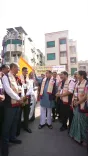
Goyal tries Savara tribal art at CII Summit in Vizag
Synopsis
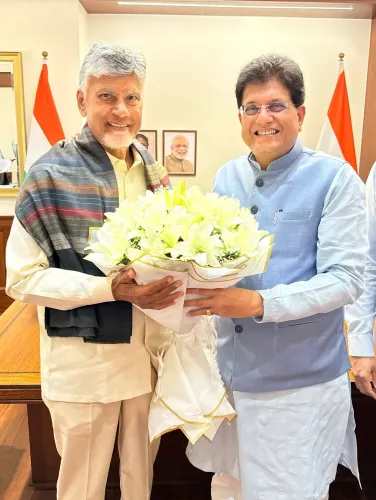
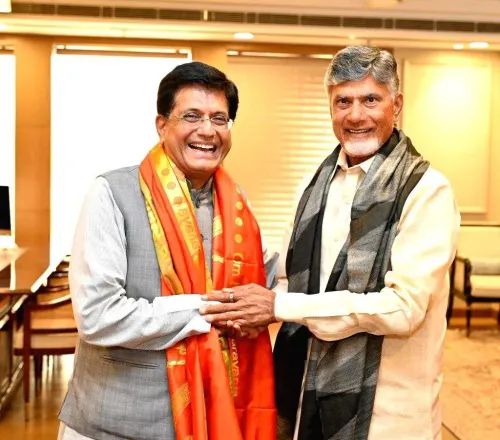
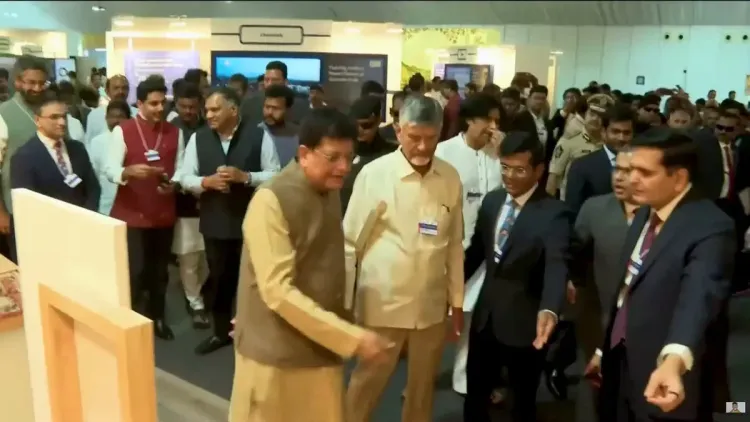
At the CII Partnership Summit in Visakhapatnam, Union Commerce Minister Piyush Goyal and Andhra Pradesh CM Chandrababu Naidu tried their hand at Savara tribal art, calling India's tribal art forms a treasure deserving a place in global markets.
Key Takeaways
Union Commerce Minister Piyush Goyal participated in a Savara tribal art session on the sidelines of the CII Partnership Summit in Visakhapatnam on 12 November 2026 .
Andhra Pradesh CM N.
Chandrababu Naidu joined Goyal in the hands-on activity, lending state-level visibility to the initiative.
The Savara are a tribal community of Andhra Pradesh and Odisha known for distinctive pictographic paintings called idital .
TRIFED , established in 1987 , is India's key institution for marketing tribal products and supporting artisan livelihoods.
Goyal called tribal art forms 'a treasure' that 'deserve a place in every home and every global market.' Policy watchers are looking for follow-up on GI tagging and export incentives for tribal crafts from the Commerce Ministry.
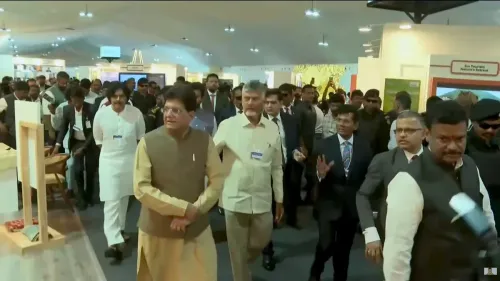
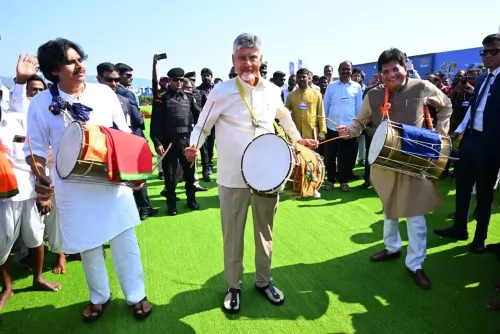
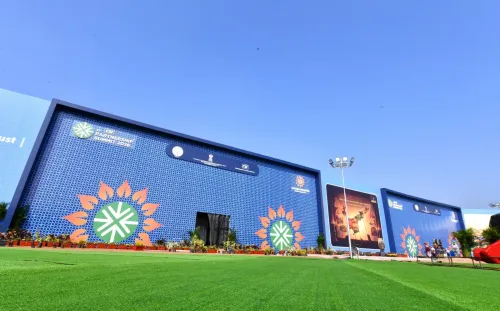
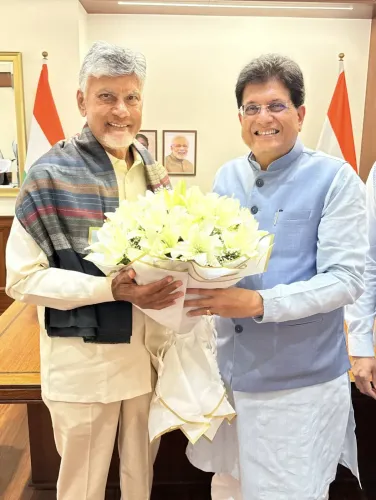
Paintbrush in hand at one of India's premier industry gatherings, Union Commerce and Industry Minister Piyush Goyal stepped away from the boardroom on Thursday, 12 November 2026, to try his hand at Savara tribal art — on the sidelines of the CII Partnership Summit in Visakhapatnam, alongside Andhra Pradesh Chief Minister N. Chandrababu Naidu.
Goyal shared the moment on social media, writing: 'Have you ever tried your hand at tribal art? Today, I did! Tried my hand at Savara tribal art alongside CM @ncbn garu. Our tribal art forms are a treasure. They deserve a place in every home and every global market.'
What is Savara art — and why Visakhapatnam?
The Savara are an ancient tribal community native to the hill tracts of Andhra Pradesh and Odisha. Their distinctive pictographic wall paintings — known locally as idital — depict cosmological scenes, nature, and community life in earthy reds and whites. Visakhapatnam, a major port city and frequent host of national industry events, sits close to this cultural heartland, making the choice of venue quietly symbolic.
The CII Partnership Summit is an annual flagship event hosted by the Confederation of Indian Industry to attract domestic and global investment. That a minister used its margins to spotlight a tribal art form is consistent with a recurring pattern at such gatherings — culture as a soft entry point into harder conversations about artisan livelihoods and export markets.
TRIFED, GI tags, and the long road to global shelves
India's institutional backbone for tribal crafts is TRIFED (Tribal Cooperative Marketing Development Federation of India), established in 1987, which markets products and supports artisan livelihoods across the country. Despite decades of work, tribal art forms remain significantly under-represented in export catalogues compared with more commercially established craft clusters.
Geographical Indication tagging and dedicated export incentives are tools that policy watchers say could meaningfully shift that equation — giving buyers abroad a provenance guarantee and giving artisans a price premium. Whether the minister's public engagement at Visakhapatnam translates into concrete follow-up at the Commerce Ministry is the question that tribal handicraft exporters and artisan cooperatives will be watching.
A minister's canvas, an artisan's livelihood
The optics matter: when a senior cabinet minister and a sitting chief minister pick up a brush together at an investment summit, it sends a signal — however symbolic — that tribal heritage has a seat at the economic table. CM Chandrababu Naidu, who has consistently positioned Andhra Pradesh as an investment destination, gains a cultural dimension to that pitch. And for Savara artists whose work has historically stayed within village walls or curio shops, visibility at a national forum is, at minimum, a beginning.
India's tribal art ecosystem — from Warli and Madhubani to Gond and Savara — has long been celebrated in cultural circles. The harder ask is turning that celebration into sustainable income for the communities who created these traditions. That leap, from pride to market, is exactly what Goyal's post puts on the agenda.
Point of View
Whose government is aggressively courting investment for a rebuilt Andhra Pradesh. The real test, as with similar high-profile moments around Madhubani or Warli art in the past, is whether the cameras translate into policy momentum — specifically on GI certification and global retail access for Savara artisans. Without that follow-through, the moment risks being precisely what it looks like: a compelling photograph.
NationPress
12 Nov 2026
Frequently Asked Questions
What is Savara tribal art?
Savara tribal art refers to the pictographic paintings created by the Savara community of Andhra Pradesh and Odisha, traditionally painted on walls and depicting cosmological scenes, nature, and community life using earthy pigments.
What is the CII Partnership Summit?
The CII Partnership Summit is an annual flagship event organised by the Confederation of Indian Industry to attract domestic and international investment and foster industry collaboration, frequently hosted in major Indian cities.
What did Piyush Goyal do at the CII Summit in Visakhapatnam?
Union Commerce and Industry Minister Piyush Goyal tried his hand at Savara tribal art on the sidelines of the CII Partnership Summit in Visakhapatnam on 12 November 2026, alongside Andhra Pradesh CM N. Chandrababu Naidu.
What is TRIFED and how does it support tribal artisans?
TRIFED, the Tribal Cooperative Marketing Development Federation of India, was established in 1987 to market tribal products and support the livelihoods of artisan communities across the country.
Can Savara tribal art be exported from India?
Savara art has limited global market presence currently. Policy tools like Geographical Indication tagging and dedicated export incentives are being discussed as ways to help tribal art forms, including Savara, reach international buyers.