Great Nicobar Project: India's strategic maritime hub near East-West shipping route
Synopsis
India's Great Nicobar Project is more than an infrastructure push — it is a strategic repositioning. With a 14.2 MTEU transshipment port at Galathea Bay, a greenfield airport, and a 450 MVA power plant, New Delhi is moving to capture East–West shipping revenue it has long ceded to Colombo and Singapore, while establishing a firmer military footprint near one of the world's busiest sea lanes.
Key Takeaways
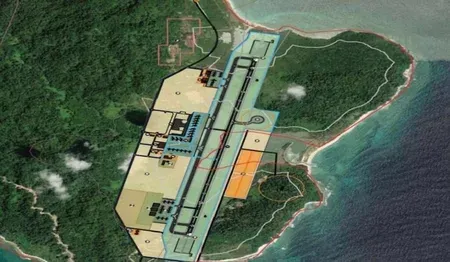
The Great Nicobar Project includes a 14.2 MTEU container transshipment terminal, greenfield airport, 450 MVA power plant, and a planned township.
The Galathea Bay port sits 40 nautical miles from the East–West shipping lane with a natural depth exceeding 20 metres .
India currently routes cargo through Colombo , Singapore , and Port Klang due to a lack of deep-water berths.
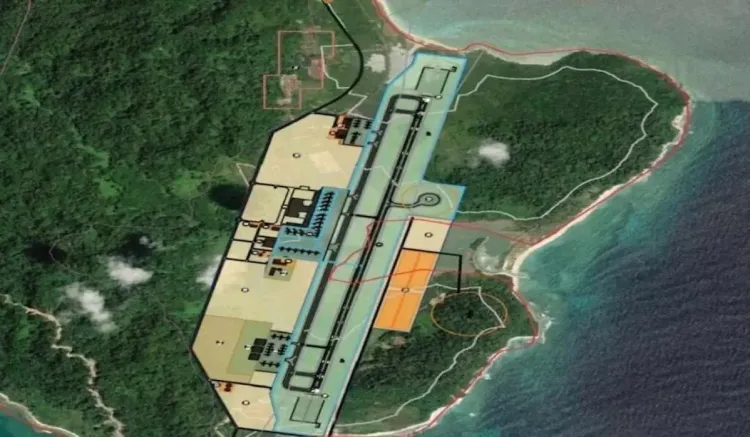
The new airport is projected to handle 1 million passengers at opening, scaling to nearly 10 million annually.
Only 1.82% of island forest cover will be diverted, with compensatory afforestation over 97.3 sq km .
Shompen and Nicobarese tribal communities face no displacement, with a net increase in notified tribal reserve area.
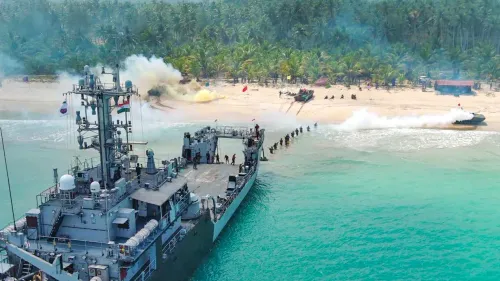
India's Great Nicobar Project is advancing as a major strategic maritime and economic initiative, aimed at transforming Great Nicobar Island into a self-sufficient transshipment hub positioned along the global East–West shipping route. According to an official statement released on Friday, 1 May, the project is designed to reduce India's dependence on foreign transshipment ports and bolster the country's defence and national security posture in the Andaman Sea and Southeast Asia.
Key Infrastructure Components
The project's core infrastructure spans four major elements: a 14.2 million twenty-foot equivalent unit (MTEU) International Container Transshipment Terminal, a Greenfield International Airport, a 450 MVA gas–solar power plant, and a planned township, according to an official factsheet issued on the same day. Together, these components form what the government describes as a holistic development framework for the island under the Island Development Programme.
The centrepiece of the project is the International Container Transshipment Port (ICTP) at Galathea Bay, which benefits from a natural water depth of more than 20 metres and sits approximately 40 nautical miles from the East–West international shipping lane — a critical geographic advantage for attracting both gateway and transshipment cargo.
Why India Needs This Now
India's existing ports lack deep-water berths capable of accommodating the largest container vessels, forcing cargo to be routed through Colombo, Singapore, and Port Klang — costing the country substantial port revenue annually. This commercial dependency also carries strategic implications, as competitors including Myanmar, China, and Sri Lanka are already developing deep-water facilities to capture a larger share of this high-value trade corridor. The Galathea Bay port is intended to directly address this gap.
Point of View
Though framed carefully, will face continued scrutiny given the island's biodiversity. The real measure of success will not be the infrastructure ribbon-cutting but whether Galathea Bay can actually pull transshipment volumes away from entrenched regional hubs within a decade.
NationPress
16 Sept 2026
Frequently Asked Questions
What is the Great Nicobar Project?
The Great Nicobar Project is a large-scale infrastructure initiative under India's Island Development Programme, aimed at transforming Great Nicobar Island into a strategic maritime and economic hub. It includes a 14.2 MTEU container transshipment port at Galathea Bay, a greenfield international airport, a 450 MVA gas–solar power plant, and a planned township.
Why is the Galathea Bay port strategically important?
The Galathea Bay port is located approximately 40 nautical miles from the East–West international shipping lane and has a natural water depth exceeding 20 metres, making it suitable for the world's largest container vessels. It is designed to reduce India's dependence on foreign transshipment ports such as Colombo, Singapore, and Port Klang.
Will tribal communities be displaced by the Great Nicobar Project?
According to the official statement, no displacement is proposed for the Shompen and Nicobarese tribal communities. The project includes a net increase in notified tribal reserve area through re-notification measures, with tribal welfare described as central to the development framework.
What are the environmental safeguards in place?
The project involves diversion of only 1.82% of the island's forest cover, with compensatory afforestation planned over 97.3 square kilometres. The development is described as following a regulated environmental framework.
How large will the new Great Nicobar airport be?
The greenfield international airport is expected to handle at least 1 million passengers when it opens, with capacity projected to grow to nearly 10 million passengers per year thereafter. Port Blair airport, by comparison, currently handles around 1.8 million passengers annually.