Gujarat CM Bhupendra Patel backs green infra push at Rajkot Builders meet
Synopsis
Chief Minister Bhupendra Patel addressed the Rajkot Builders Association AGM on 2 August 2026, praising the city's developmental surge, committing to eco-friendly infrastructure, and invoking PM Modi's vision of growth paired with environmental conservation.
Key Takeaways
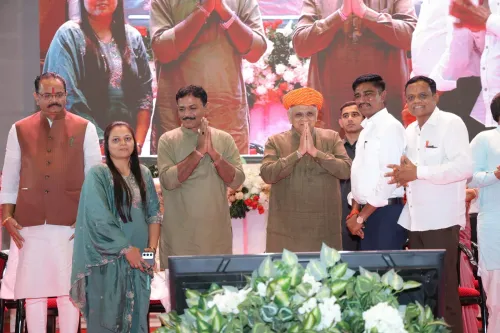
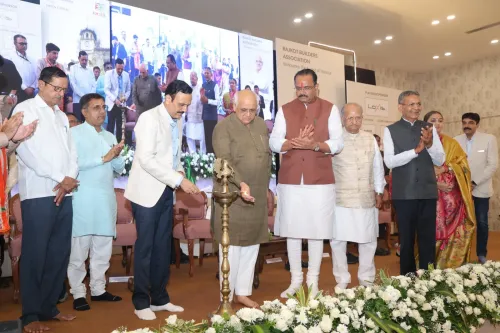
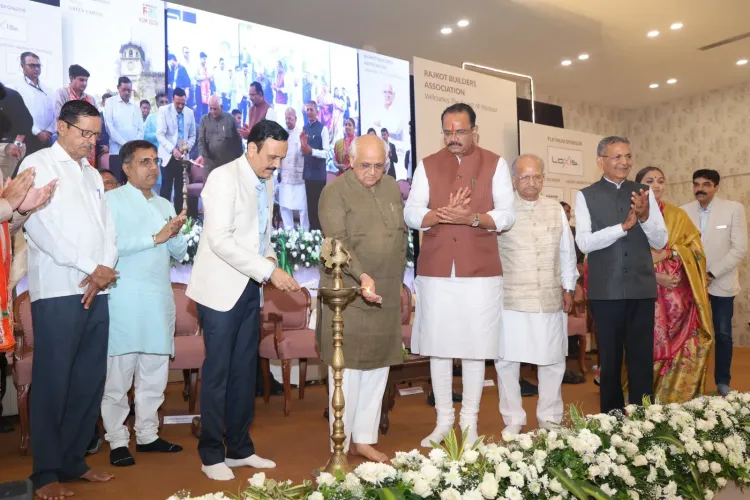
CM Bhupendra Patel attended the Rajkot Builders Association Annual General Meeting on 2 August 2026 in Rajkot.
He stated that Rajkot has achieved a developmental leap comparable to Ahmedabad, Surat, and Vadodara .
The CM expressed commitment to eco-friendly and green infrastructure , citing PM Narendra Modi's philosophy of linking modern development with environmental conservation.
Rajkot has been part of India's Smart Cities Mission since 2015 , targeting sustainable urban upgrades.
CM Patel called for collective effort from builders, government, and citizens to make Rajkot and Gujarat more modern and environmentally compatible.
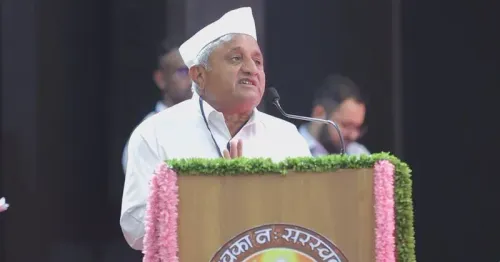
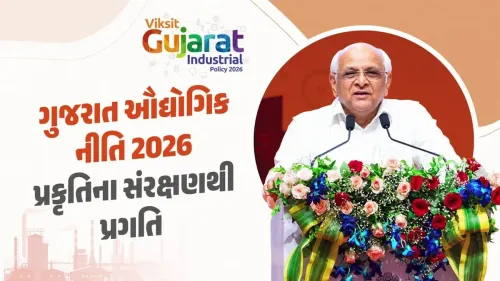
Rajkot is no longer playing catch-up. At the annual general meeting of the Rajkot Builders Association on Sunday, 2 August 2026, Chief Minister Bhupendra Patel declared that the city has taken a developmental leap on par with Ahmedabad, Surat, and Vadodara — and challenged the private sector to help make it greener while it grows.
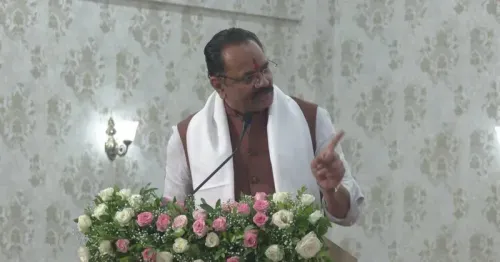
Speaking at the gathering, CM Patel praised the builders' community for its role in shaping Rajkot's urban fabric through quality infrastructure. 'Just as Ahmedabad, Surat and Vadodara have surged ahead on the path of development, Rajkot too has taken a giant leap,' he said, invoking the Gujarati phrase haranphal bhari chhe — a leap like a deer — to capture the city's momentum.
Eco-friendly construction at the centre of Rajkot's next chapter
The CM anchored his address in Prime Minister Narendra Modi's broader philosophy of pairing modern development with environmental stewardship. He expressed a firm commitment to eco-friendly and green infrastructure, framing it not as a constraint on growth but as its natural companion. The message was pointed: Rajkot's builders are expected to lead on sustainable construction, not just scale.
Rajkot has been part of India's Smart Cities Mission since 2015, a programme designed to accelerate precisely this kind of sustainable urban upgrade. The CM's appearance at a builders' association event signals that the state government is leaning on private-sector partnerships — not just public schemes — to deliver on that promise.
Gujarat's four-city growth model and what it means for Rajkot
Gujarat has, for over a decade, pursued a multi-city development strategy, channelling state-backed infrastructure investment across Ahmedabad, Surat, Vadodara, and Rajkot in parallel. By placing Rajkot in the same sentence as the state's three largest cities, CM Patel was making a political and developmental statement: the western industrial hub is ready for the next tier of investment and ambition.
He closed with a call to collective action — urging builders, residents, and government to work together to make Rajkot and all of Gujarat more modern, well-equipped, and environmentally compatible. The private sector, in this framing, is not just a contractor. It is a co-author of the city's future.
Whether that future comes with binding green building norms or fresh project approvals under ongoing urban missions is the next question Rajkot's developers — and residents — will be watching for.
Point of View
The government is signalling that tier-2 urban ambition is now a political priority — not just a planning footnote. The green infrastructure emphasis reflects a broader national pivot toward sustainable urbanism, but the real test will be whether these commitments translate into enforceable building norms or remain aspirational rhetoric. The event also reinforces PM Modi's Gujarat legacy as a template the state continues to actively invoke.
NationPress
3 Aug 2026
Frequently Asked Questions
What did Gujarat CM Bhupendra Patel say at the Rajkot Builders Association meeting?
CM Bhupendra Patel praised the Rajkot Builders Association for its infrastructure contributions, said Rajkot has made a developmental leap comparable to Ahmedabad, Surat, and Vadodara, and called for eco-friendly and green construction aligned with PM Modi's vision.
When did CM Patel attend the Rajkot Builders Association AGM?
CM Bhupendra Patel attended the Rajkot Builders Association Annual General Meeting on Sunday, 2 August 2026, in Rajkot.
What is Gujarat's green infrastructure policy?
Gujarat's government has committed to eco-friendly and green infrastructure development, framing it as part of PM Narendra Modi's broader philosophy of pairing modern urban growth with environmental conservation.
Is Rajkot part of the Smart Cities Mission?
Yes, Rajkot was included in India's Smart Cities Mission in 2015, aimed at accelerating sustainable and modern urban infrastructure development in the city.
How does Rajkot compare to Ahmedabad and Surat in development?
CM Patel stated that Rajkot has taken a 'giant leap' on the path of development, placing it alongside Gujarat's top cities — Ahmedabad, Surat, and Vadodara — in terms of urban growth momentum.