Gujarat CM Bhupendra Patel leads Ravana Dahan at Vijayadashami 2026 in Ahmedabad
Synopsis
Gujarat Chief Minister Bhupendra Patel personally ignited the effigies of Ravana, Meghnad and Kumbhakarna at Ahmedabad's Vijayadashami Mahotsav 2026, combining Gujarati folk tradition with the pan-India Dussehra ritual. The event, organised by the Shanti Seva Charitable Trust and attended by MPs, ministers and AMC officials, reflects how state leadership in Gujarat has made large-scale festive ceremonies a civic centrepiece.
Key Takeaways
Gujarat CM Bhupendra Patel presided over the Ravana Dahan ceremony in Ahmedabad on 20 October 2026 .
Three effigies — Ravana , Meghnad , and Kumbhakarna — were set ablaze at the Vijayadashami Mahotsav 2026 , organised by the Shanti Seva Charitable Trust .
The event opened with a dayro folk performance by the team of artist Sairam Dave .
Attendees included MoS Darshana Vaghela , Mayor Hitesh Barot , and MPs Hasmukh Patel and Dinesh Makwana .
Vijayadashami, also known as Dussehra , marks the end of Navratri and commemorates Lord Rama's victory over Ravana in the Ramayana.
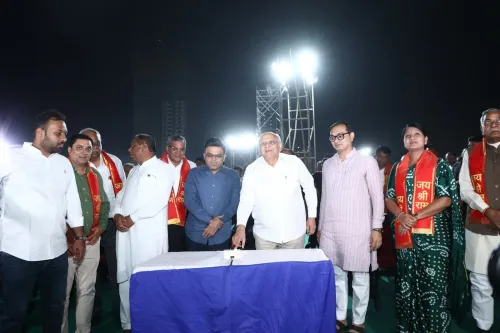
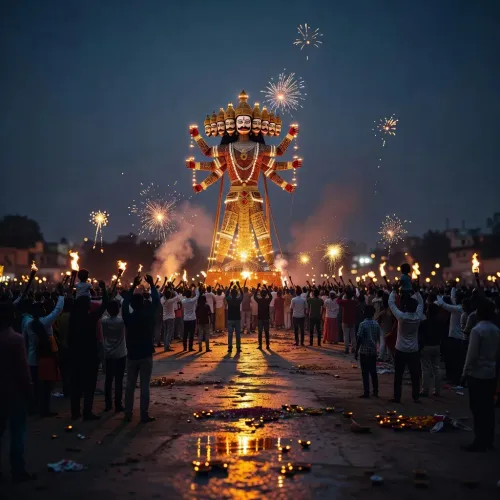
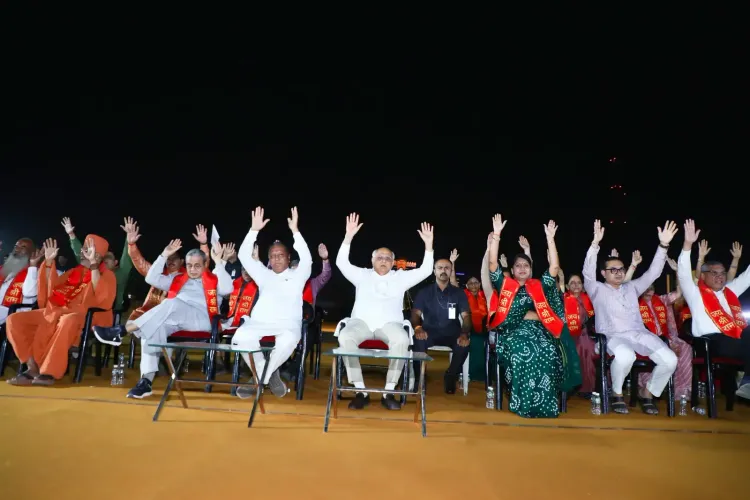
Gujarat Chief Minister Bhupendra Patel on Tuesday, 20 October 2026 presided over the Ravana Dahan ceremony in Ahmedabad, setting ablaze giant effigies of Ravana, Meghnad, and Kumbhakarna to mark Vijayadashami — the festival symbolising the triumph of good over evil. The event, organised by the Shanti Seva Charitable Trust as part of the Vijayadashami Mahotsav 2026, drew a large public gathering alongside senior state dignitaries, religious leaders, and elected representatives.
How the Ceremony Unfolded
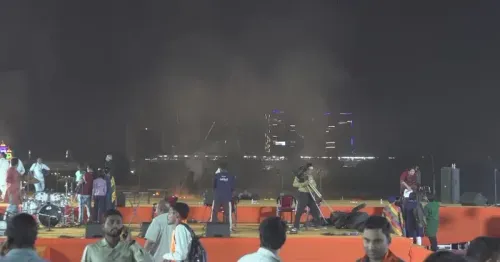
Chief Minister Patel used a remote control to ignite the three towering effigies, triggering the centrepiece moment of the evening's programme. The celebrations opened with a traditional dayro — a Gujarati folk music and storytelling performance — presented by the team of noted folk artist Sairam Dave. The cultural segment gave way to the ritual burning, blending Gujarat's regional traditions with the pan-Indian Dussehra observance.
Who Attended the Event
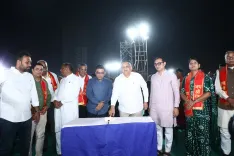
The gathering included Minister of State for Urban Development Darshana Vaghela, Ahmedabad Mayor Hitesh Barot, and Members of Parliament Hasmukh Patel and Dinesh Makwana. Local legislators, saints, spiritual leaders, political representatives, and office-bearers of the Ahmedabad Municipal Corporation (AMC) were also present. Sandeep Barot, head of the Shanti Seva Charitable Trust, attended the celebrations as well.
The Significance of Ravana Dahan
Vijayadashami, widely known as Dussehra, marks the culmination of the nine-day Navratri festival. The burning of Ravana's effigy is rooted in the Ramayana, commemorating Lord Rama's defeat of Ravana, the king of Lanka. Meghnad and Kumbhakarna — Ravana's son and brother respectively — are also represented in the ritual, symbolising the defeat of the forces of unrighteousness. The tradition is observed across India, though regional expressions vary considerably.
Gujarat's Distinctive Celebration
The Ahmedabad event stood apart by pairing the Ravana Dahan ritual with a Gujarati folk performance, reflecting the state's cultural identity within a nationally shared festival. Community gatherings of this scale — combining religious ceremony, folk art, and civic participation — have become a fixture of Gujarat's festive calendar. The event underscores the continued role of state leadership in anchoring public religious observances.
Point of View
Consciously foregrounding regional identity within a national festival. This fusion format is increasingly common in BJP-governed states, where festive events double as soft-power exercises. The question worth asking is whether civic infrastructure — crowd management, safety around large effigies, accessibility — receives the same institutional attention as the political optics of the occasion.
NationPress
20 Oct 2026
Frequently Asked Questions
What is the Ravana Dahan ceremony observed on Vijayadashami?
Ravana Dahan is the ritual burning of effigies of Ravana, Meghnad and Kumbhakarna on Vijayadashami, also called Dussehra. It commemorates Lord Rama's victory over Ravana as narrated in the Hindu epic Ramayana, and symbolises the triumph of righteousness over evil.
Where was the Vijayadashami Mahotsav 2026 held in Gujarat?
The Vijayadashami Mahotsav 2026 was held in Ahmedabad and was organised by the Shanti Seva Charitable Trust. Chief Minister Bhupendra Patel presided over the Ravana Dahan ceremony at the event on 20 October 2026.
Who attended the Ravana Dahan event in Ahmedabad?
The event was attended by MoS for Urban Development Darshana Vaghela, Ahmedabad Mayor Hitesh Barot, MPs Hasmukh Patel and Dinesh Makwana, local legislators, saints, spiritual leaders, AMC office-bearers, and Shanti Seva Charitable Trust head Sandeep Barot.
What is the connection between Vijayadashami and Navratri?
Vijayadashami, or Dussehra, marks the culmination of the nine-day Navratri festival. It is observed across India through religious ceremonies, cultural programmes and community gatherings, with regional traditions — such as Gujarat's dayro folk performances — adding a local flavour to the national celebration.
What cultural element was added to the Ahmedabad Dussehra celebrations?
The Ahmedabad event included a traditional dayro — a Gujarati folk music and storytelling performance — presented by the team of noted folk artist Sairam Dave, before the Ravana Dahan ritual took place.