Gujarat CM Bhupendra Patel reviews Dahod tribal development on day 2 of 72-hour visit
Synopsis
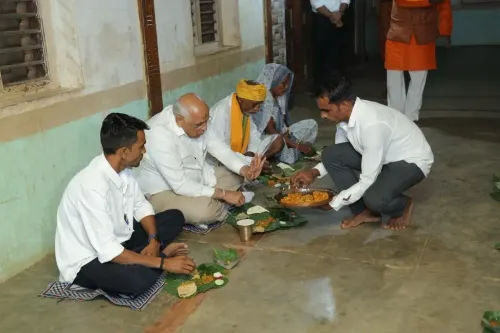
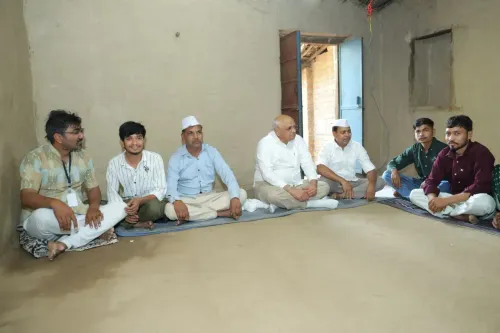
Gujarat CM Bhupendra Patel's 72-hour Dahod visit is more than a routine review — sitting on the ground with villagers, making an unscheduled home visit to a tribal farmer, and personally inspecting an Anganwadi, he is visibly pushing a boots-on-ground governance image in one of the state's most remote and politically significant tribal corridors.
Key Takeaways
Gujarat CM Bhupendra Patel is on a 72-hour visit to the tribal belt of Dahod district , with day 2 on 19 November 2026 .
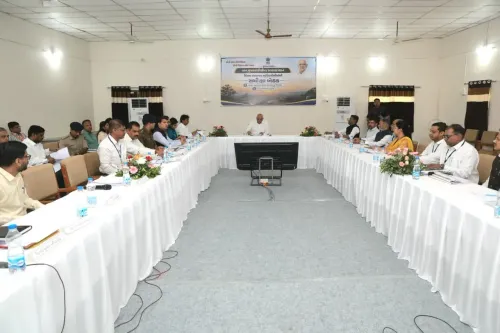
He chaired a development review meeting at the Ratanmahal Project area, Dhanpur taluka , and heard public representations at the Garbada Taluka Panchayat office .
Patel visited the ancient Baba Dev shrine at Bhuvero village and interacted with women Self-Help Group stall operators.
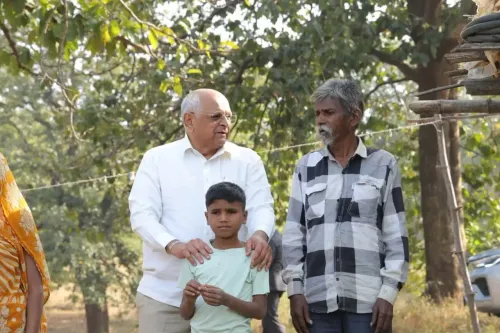
An unscheduled stop at Pipargota village included a visit to tribal farmer Bakulbhai Vakhal's home and inspection of a Nand Ghar-Anganwadi Centre .
Senior officials including District Collector Surabhi Gautam and DDO Smit Lodha accompanied the review.
Gujarat Chief Minister Bhupendra Patel on Thursday, 19 November 2026, conducted a comprehensive review of ongoing development works in Dahod district and directed officials to address citizens' concerns on the second day of his 72-hour visit to the tribal region of Garbada. The visit underscores the state government's focus on accelerating welfare delivery in one of Gujarat's most remote tribal belts.
Review Meeting and Official Engagements
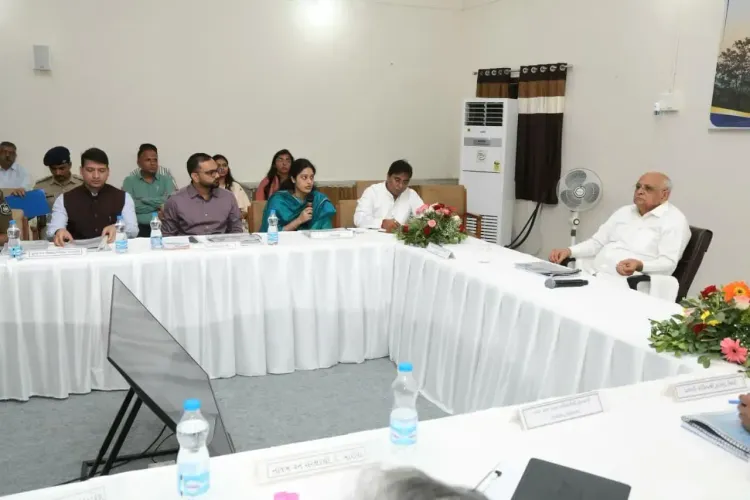
Patel chaired a review meeting with district officials at the Forest Department hall in the Ratanmahal Project area of Dhanpur taluka, examining the progress of ongoing development works and plans for future projects. Later, at the Garbada Taluka Panchayat office, he heard direct representations from residents and instructed officials to take necessary action on the issues raised.
Additional Principal Secretary to the Chief Minister Dr Vikrant Pandey, Dahod District Collector Surabhi Gautam, District Development Officer Smit Lodha, and other senior officials were present during the review meeting.
What the Chief Minister Said
Patel stated: 'Under the guidance of Prime Minister Narendra Modi, government welfare schemes, development projects and basic amenities were reaching even the remote tribal areas of Gujarat.' He added that these initiatives had contributed to improvements in education, healthcare, and women's empowerment in tribal regions, while helping bring residents of remote areas into the mainstream of development.
Village Visits and Community Interactions
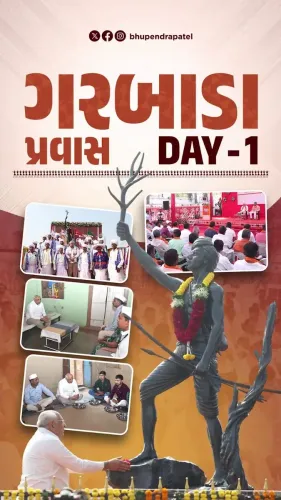
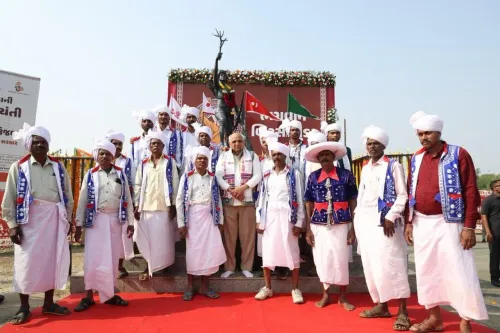
At Bhuvero village in Dhanpur taluka, Patel visited the ancient Baba Dev shrine in the forests of Ratanmahal and offered prayers. The shrine holds deep religious and cultural significance for the tribal community, which has worshipped Baba Dev for generations as the guardian deity of villages and a symbol of prosperity and well-being.
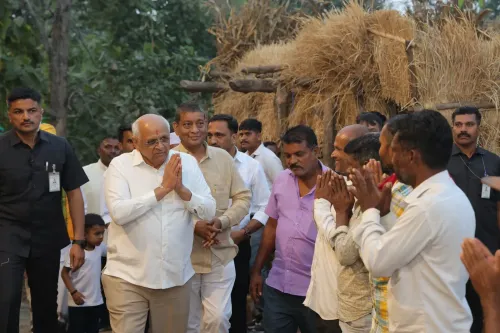
The Chief Minister also interacted with villagers — sitting on the ground to hear their concerns — and visited stalls operated by women from Self-Help Groups (SHGs). The stalls displayed natural farming produce, baskets made from date palm leaves, herbal soaps, and traditional bows and arrows.
Unscheduled Stop and Anganwadi Inspection
During his journey from the Ratanmahal Project area to Garbada, Patel made an unscheduled stop at Pipargota village and visited the home of tribal farmer Bakulbhai Vakhal, enquiring about the family's livelihood, maize cultivation, and children's education. He subsequently visited the Nand Ghar-Anganwadi Centre in the village, reviewing nutritional arrangements, inspecting facilities, and interacting with children and Anganwadi workers. He sought specific information on children's attendance, food quality, and activities supporting educational development.
Significance of the Visit
Dahod is among Gujarat's most underdeveloped districts, with a predominantly tribal population. The three-day visit — focused on reviewing development initiatives and directly engaging residents in the tribal belt — is seen as part of a broader political and administrative push to demonstrate ground-level delivery of welfare schemes in the state's tribal corridors. With Gujarat elections cycles closely watched for tribal constituency performance, such outreach visits carry both administrative and political weight. The final day of engagements is awaited.
Point of View
And visible outreach of this kind typically precedes either an election cycle or a scheme rollout. What is less clear is whether the review meeting translated into measurable commitments: no specific project timelines, budgets, or grievance-resolution targets were disclosed, which makes accountability difficult. The optics of Patel sitting on the ground with villagers are strong; the substance will only be visible in the next district development report.
NationPress
19 Nov 2026
Frequently Asked Questions
Why is Gujarat CM Bhupendra Patel visiting Dahod?
Chief Minister Bhupendra Patel is on a 72-hour visit to Dahod district to review ongoing development works and directly interact with residents of the tribal belt, particularly in the Garbada and Dhanpur taluka areas. The visit aims to assess the ground-level delivery of welfare schemes and address citizens' concerns.
What did CM Patel do on day 2 of his Dahod visit?
On day 2, Patel held a development review meeting with district officials at the Ratanmahal Project area, heard public representations at the Garbada Taluka Panchayat office, visited the Baba Dev shrine at Bhuvero village, and made an unscheduled stop at Pipargota village to visit a tribal farmer's home and inspect a Nand Ghar-Anganwadi Centre.
What is the significance of Baba Dev for the tribal community?
Baba Dev is the guardian deity of villages in the Ratanmahal tribal region of Dahod, worshipped for generations as a symbol of prosperity and well-being. The ancient shrine at Bhuvero village holds deep religious and cultural significance for the local tribal community.
Which officials accompanied CM Patel during the Dahod review?
Additional Principal Secretary to the CM Dr Vikrant Pandey, Dahod District Collector Surabhi Gautam, District Development Officer Smit Lodha, and other senior officials were present during the review meeting.
How long is CM Patel's visit to Dahod's tribal region?
CM Patel's visit to the tribal belt of Dahod district spans three days — a 72-hour engagement focused on reviewing development initiatives and interacting directly with residents of the region.