Manipur CM backs drug-free youth as key to Viksit Bharat 2047 goal
Synopsis
At PM Modi's nationwide anti-drug campaign launch, Manipur CM Yumnam Khemchand Singh tied a drug-free youth to Viksit Bharat @2047 — and went further, linking substance abuse to the state's unresolved ethnic crisis and its ambition to become Southeast Asia's gateway by 2028.
Key Takeaways
Manipur CM Yumnam Khemchand Singh virtually attended the launch of the 'Nasha Mukta Yuva for Viksit Bharat Sankalp Abhiyaan' on 2 August .
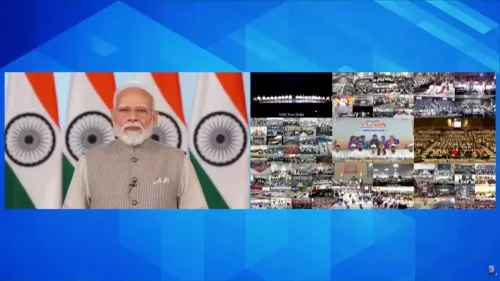
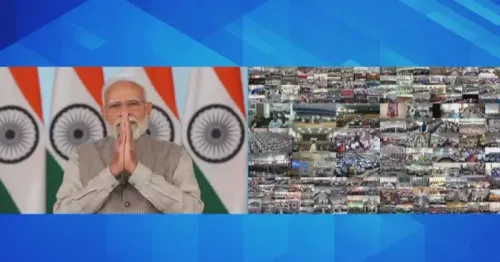
PM Narendra Modi launched the nationwide campaign via virtual interaction from New Delhi , calling on youth to permanently avoid drugs.
The CM warned of organised drug supply networks targeting young people, citing NGO reports, and pledged intensified government action.
Manipur's railway link to Imphal is targeted for completion by December 2028 , with connectivity extending toward Moreh and Southeast Asia.
Khemchand Singh appealed to all communities to work toward peace amid an ethnic crisis spanning three years .
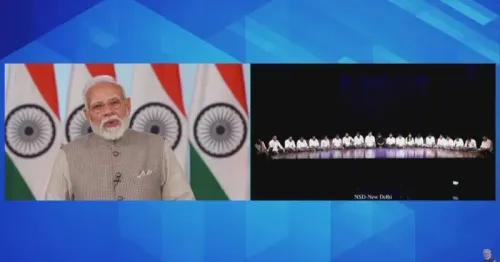
An anti-drug pledge was administered at Manipur University , organised by the NSS Cell under the Union Ministry of Youth Affairs and Sports .
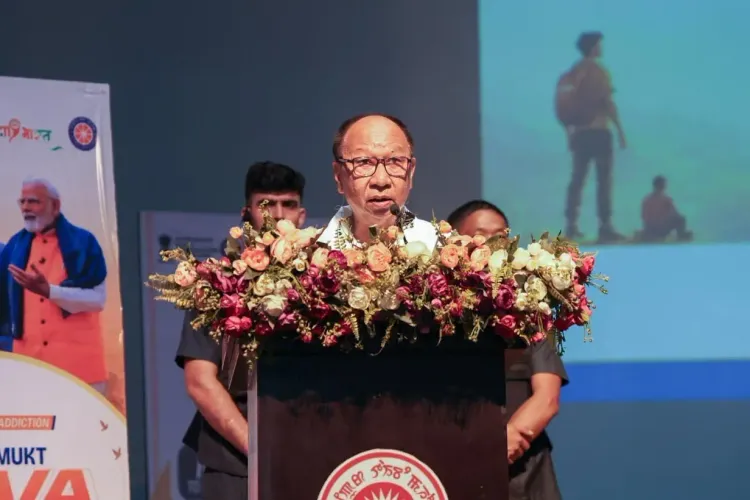
Manipur Chief Minister Yumnam Khemchand Singh on Sunday, 2 August said that the national vision of Viksit Bharat @2047 can only be achieved through a healthy, disciplined, and drug-free younger generation. He made the remarks while virtually attending the nationwide launch of the 'Nasha Mukta Yuva for Viksit Bharat Sankalp Abhiyaan', a mass anti-drug campaign targeting India's youth.
Programme Launch and PM Modi's Address
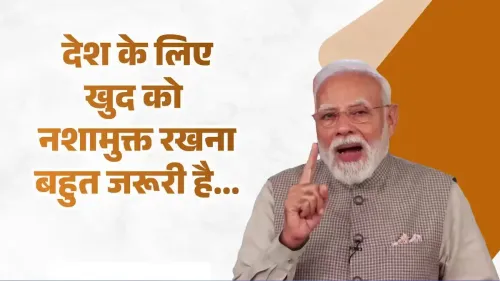
Prime Minister Narendra Modi launched the campaign through a nationwide virtual interaction with youth from New Delhi. Speaking at the event, Modi stressed that as India pursues the goal of a developed nation by 2047, its youth must remain physically and mentally fit, self-confident, and permanently free from destructive habits such as drug use. He urged every citizen — particularly the young — to join the movement.
The Manipur leg of the programme was held at the auditorium of Manipur University, Imphal, organised by the NSS Cell, Manipur University in collaboration with the State NSS Cell under the Union Ministry of Youth Affairs and Sports.
CM Khemchand Singh's Personal Appeal
Addressing the gathering, Chief Minister Khemchand Singh drew on personal experience, recalling that he had consciously chosen to stay away from narcotics — a decision he credited with enabling him to dedicate his life to public service. He urged Manipur's youth to make similar choices and become responsible citizens capable of steering the state toward a better future.
He also raised concern over what he described as organised networks supplying drugs to young people through various channels, citing interactions with multiple NGOs. The Chief Minister assured that the government remains committed to intensifying its crackdown on drug trafficking and shielding the youth from the harms of substance abuse.
Manipur's Strategic Role and the Railway Link
Khemchand Singh highlighted Manipur's growing strategic importance under India's Act East Policy, describing the state as poised to become the gateway to Southeast Asia. He informed the audience that the government is working towards completing and operationalising the railway network to Imphal by December 2028, a project expected to strengthen connectivity, trade, and economic ties extending toward Moreh and neighbouring countries.
He emphasised, however, that these opportunities can be fully realised only if the younger generation remains free from the drug menace — framing a drug-free society as a prerequisite for economic progress.
Ethnic Crisis and the Call for Peace
The Chief Minister also addressed the ongoing ethnic crisis that has gripped Manipur for the past three years, appealing to all communities to move forward with mutual understanding and work collectively toward restoring lasting peace. He reiterated that the government will ensure accountability for those responsible for acts of violence, while continuing efforts to bridge the trust deficit among communities and facilitate free and secure movement across the state.
He stressed that peace remains the foundation of all development, and that without social stability, neither economic nor individual progress is sustainable.
University and Pledge Ceremony
Vice-Chancellor of Manipur University, Prof. R.K. Hemakumar Singh, also addressed the gathering, urging students to honour the anti-drug pledge by becoming awareness ambassadors in their localities, schools, and colleges. A formal pledge for a drug-free India was administered during the programme, reaffirming participants' commitment to reject intoxicants and spread awareness against substance abuse.
As the campaign rolls out nationally, the focus now shifts to whether such awareness drives translate into measurable reductions in drug dependency — particularly in states like Manipur, where the problem has historically been acute.
Point of View
But its credibility will be tested most sharply in Manipur — a state that has long been a transit and consumption hub for narcotics from the Golden Triangle. CM Khemchand Singh's personal testimony adds authenticity, yet the acknowledgement of organised drug networks operating through 'various means' raises a harder question: why have three years of state governance not dismantled them? Tying the drug crisis to the ethnic conflict is analytically honest — instability and trafficking are mutually reinforcing — but it also risks making peace a precondition for anti-drug action rather than a parallel pursuit. Awareness pledges matter less than enforcement outcomes, and those remain unquantified.
NationPress
2 Aug 2026
Frequently Asked Questions
What is the 'Nasha Mukta Yuva for Viksit Bharat Sankalp Abhiyaan'?
It is a nationwide anti-drug campaign launched by Prime Minister Narendra Modi on 2 August, aimed at mobilising India's youth to stay free from substance abuse as part of the broader Viksit Bharat @2047 vision. The programme was organised by the NSS Cell network under the Union Ministry of Youth Affairs and Sports.
What did Manipur CM Yumnam Khemchand Singh say at the event?
CM Khemchand Singh urged Manipur's youth to actively participate in nation-building by staying away from drugs. He drew on his own experience of avoiding narcotics and warned of organised networks supplying drugs to young people, pledging that the government would intensify its fight against drug trafficking.
What is the significance of the Imphal railway link mentioned by the CM?
The government is working to complete the railway network to Imphal by December 2028, which is expected to boost connectivity and trade toward Moreh and neighbouring Southeast Asian countries. The CM argued that these economic opportunities can only be realised if the youth remain drug-free.
How did the CM address Manipur's ongoing ethnic crisis?
Khemchand Singh appealed to all communities to move forward with mutual understanding and work toward lasting peace, noting that the ethnic crisis has affected the state for three years. He said the government will ensure accountability for violence while working to bridge trust deficits and restore free movement across the state.
Who else spoke at the Manipur University event?
Vice-Chancellor of Manipur University, Prof. R.K. Hemakumar Singh, addressed the gathering and urged students to honour the anti-drug pledge by becoming awareness ambassadors in their communities. A formal pledge for a drug-free India was also administered during the programme.