BBMB power dues: Himachal Pradesh wins Supreme Court battle, CM Sukhu claims ₹20,000 crore gain
Synopsis
A 15-year-old electricity dues dispute between Himachal Pradesh and the Bhakra Beas Management Board has reached a decisive stage at the Supreme Court — and CM Sukhu says it could be worth up to ₹20,000 crore for the state over two decades. The breakthrough reportedly came after Himachal Pradesh used the Kishau Dam agreement as a strategic bargaining chip to compel Haryana to file an affidavit on BBMB dues.
Key Takeaways
CM Sukhvinder Singh Sukhu on 7 November declared the Supreme Court's stand on BBMB electricity dues a historic victory for Himachal Pradesh.
The dispute had remained unresolved for nearly 15 years due to previous governments' failure to pursue it within the legal timeframe.
Himachal Pradesh used the Kishau Dam project agreement as leverage, conditioning its participation on Haryana filing a Supreme Court affidavit on BBMB dues.
If electricity is sold at ₹6 per unit , the state could earn ₹500 crore annually, potentially rising to ₹1,000 crore .
Total estimated revenue benefit over 20 years : ₹15,000 crore to ₹20,000 crore , according to the Chief Minister.
Sukhu described this as the fourth major achievement of his government's four-year tenure.
Himachal Pradesh Chief Minister Sukhvinder Singh Sukhu on Saturday, 7 November declared the Supreme Court's intervention in the state's long-standing electricity dues dispute with the Bhakra Beas Management Board (BBMB) a historic victory, saying the ruling could unlock between ₹15,000 crore and ₹20,000 crore in revenue for the state over the next 20 years. Sukhu credited his government's legal strategy and political resolve for breaking a deadlock that had remained unresolved for nearly 15 years.
What the BBMB Dispute Is About
The BBMB governs the management and power distribution from the Bhakra-Nangal and Beas dam systems, with Himachal Pradesh, Haryana, Punjab, Rajasthan, and Delhi as stakeholders. Himachal Pradesh's claim to an outstanding electricity share had been pending before the Supreme Court for over a decade, with previous state governments reportedly failing to pursue the matter within the stipulated legal timeframe. The Supreme Court decree, according to Sukhu, had remained effectively dormant due to this inaction.
How the Government Broke the Deadlock
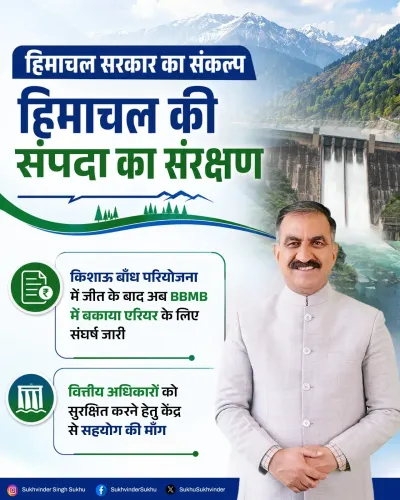
Sukhu said his administration used the Kishau Dam project agreement as a strategic lever. On 16 December, he wrote a letter stating that Himachal Pradesh would not proceed with the Kishau Dam agreement until the Haryana government filed an affidavit in the Supreme Court acknowledging payment of BBMB dues. Haryana accepted the condition, which Sukhu said pushed the Supreme Court proceedings to a decisive stage. He added that despite initial reluctance from Punjab, the state did not compromise on its rightful share.
Financial Implications for the State
According to Sukhu, if Himachal Pradesh's electricity share is sold at ₹6 per unit, the state could initially earn approximately ₹500 crore annually. The government intends to maximise the price realised, potentially pushing annual revenue to ₹1,000 crore. Over a 20-year horizon, the cumulative benefit to the state treasury is estimated at between ₹15,000 crore and ₹20,000 crore, according to the Chief Minister.
Political Dimension: Congress vs BJP
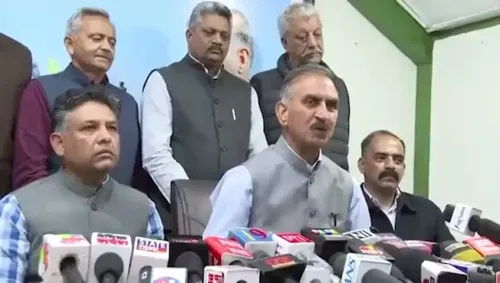
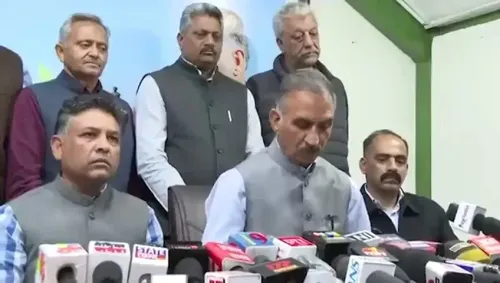
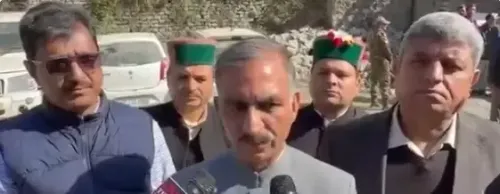
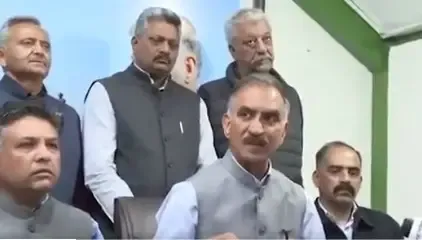
Speaking to reporters in Shimla after returning from a Delhi visit, Sukhu drew a sharp contrast with what he termed 'double-engine government' states. 'Our resolve cannot be bought. Had there been a double-engine government in the state, we might have been forced to accept a weak agreement, as happened in Uttarakhand. The people of Himachal Pradesh placed their trust in the Congress's single-engine government, which fought for the state's rights without backing down,' he said. He challenged the Bharatiya Janata Party (BJP) to abandon what he described as negative politics and support the government on issues of state interest.
Broader Context and What Comes Next
Sukhu described the BBMB outcome as the fourth major achievement of his government's four-year tenure, alongside its stated goal of making Himachal Pradesh the country's most prosperous and self-reliant state by 2032. This comes amid ongoing fiscal pressures on the hill state, which has been navigating debt obligations and post-disaster reconstruction costs. The resolution of a 15-year-old revenue dispute of this scale could provide meaningful budgetary headroom. The precise timeline for revenue accrual will depend on the final Supreme Court order and subsequent inter-state negotiations on pricing and disbursement.
Point of View
If it holds, is a rare instance of a smaller hill state using project diplomacy — the Kishau Dam card — to force a larger neighbour's hand in a federal dispute. What mainstream coverage underplays is the 15-year gap: successive Himachal governments, regardless of party, let a Supreme Court decree gather dust, which raises questions about institutional follow-through beyond any single administration. Sukhu's ₹20,000 crore projection is a ceiling figure across two decades, not an immediate windfall — the actual revenue depends on pricing negotiations, grid offtake, and final court directions that are yet to come. The political framing as a 'Congress single-engine vs BJP double-engine' win is designed for the 2027 assembly cycle, but the more durable question is whether Himachal Pradesh can build the transmission and trading infrastructure to monetise this share efficiently.
NationPress
7 Nov 2026
Frequently Asked Questions
What is the BBMB electricity dues dispute involving Himachal Pradesh?
The Bhakra Beas Management Board (BBMB) dispute concerns Himachal Pradesh's outstanding share of electricity generated from the Bhakra-Nangal and Beas dam systems. The state's claim had been pending before the Supreme Court for nearly 15 years, with previous governments reportedly failing to pursue it within the stipulated legal timeframe.
How did Himachal Pradesh break the 15-year deadlock at the Supreme Court?
CM Sukhu's government conditioned Himachal Pradesh's participation in the Kishau Dam project agreement on Haryana filing a Supreme Court affidavit acknowledging BBMB dues. Haryana accepted the condition, which pushed the Supreme Court proceedings to a decisive stage, according to the Chief Minister.
How much revenue could Himachal Pradesh earn from the BBMB resolution?
According to CM Sukhu, if the electricity share is sold at ₹6 per unit, the state could earn around ₹500 crore initially, potentially rising to ₹1,000 crore annually. Over 20 years, the cumulative benefit to the state treasury is estimated at ₹15,000 crore to ₹20,000 crore.
What role did Punjab and Haryana play in the BBMB dispute?
Haryana accepted Himachal Pradesh's condition of filing a Supreme Court affidavit on BBMB dues before the Kishau Dam agreement could proceed. Punjab initially showed reluctance, but Sukhu said Himachal Pradesh did not compromise on its rightful share despite that resistance.
What is CM Sukhu's broader goal for Himachal Pradesh?
Sukhu has stated his government is working towards making Himachal Pradesh India's most prosperous and self-reliant state by 2032. He described the BBMB outcome as the fourth major achievement of his government's four-year tenure.