HP CM Celebrates BBMB Arrears Win With Baijnath Supporters
Synopsis
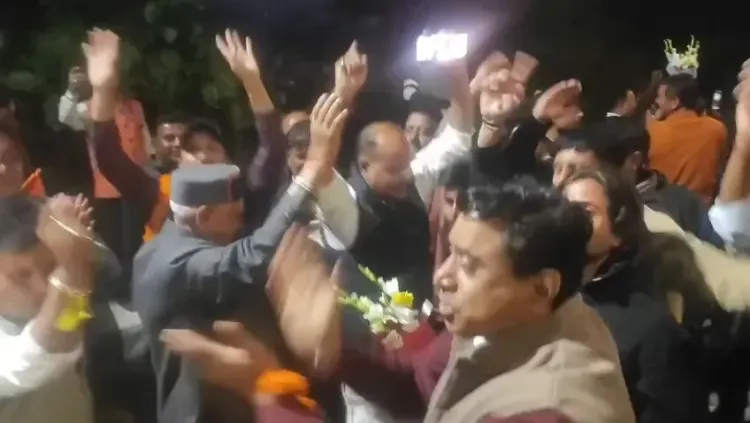
The Chief Minister's Office of Himachal Pradesh celebrated a win in the long-running BBMB arrears dispute on 19 November 2026, as supporters from Baijnath constituency gathered at Tapovan, Dharamshala to mark what the state is calling a victory for Himachal's rightful share from the Bhakra Beas Management Board.
Key Takeaways
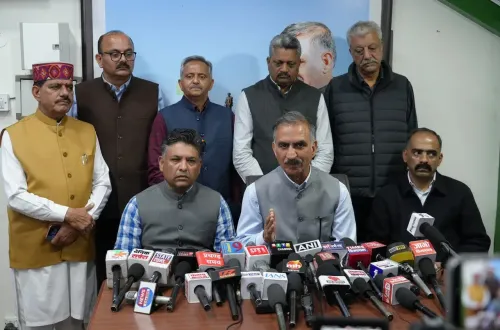
The Chief Minister's Office of Himachal Pradesh declared a victory in the BBMB arrears dispute on 19 November 2026 .
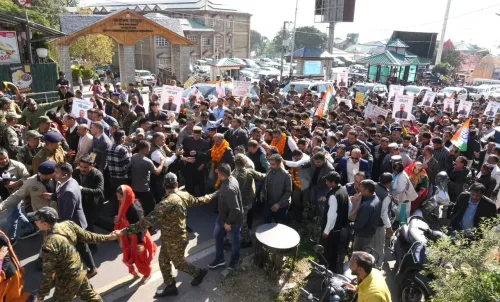
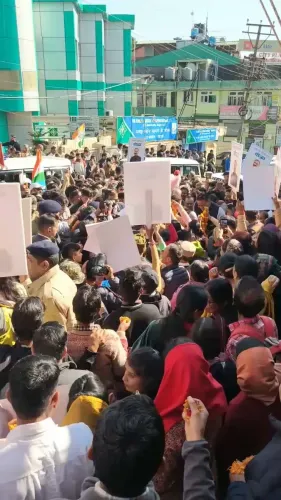
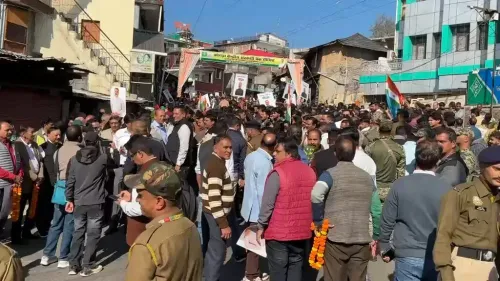
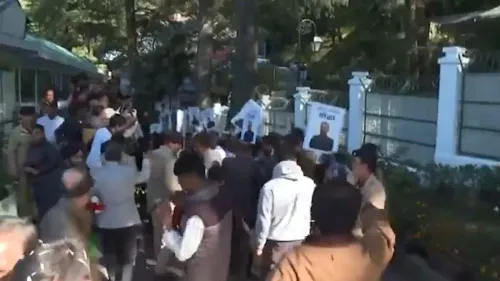
Supporters from Baijnath Assembly constituency gathered at Tapovan, Dharamshala to celebrate the win.
The Bhakra Beas Management Board (BBMB) , set up in 1976 , governs power and irrigation sharing from Bhakra-Nangal and Beas projects among Punjab, Haryana, Rajasthan and Himachal Pradesh.
Himachal has historically held only a 7.19% power share despite significant infrastructure lying within its territory.
The exact court ruling, arrears amount and disbursement timeline are yet to be confirmed through official government orders.
Dharamshala serves as the winter capital of Himachal Pradesh and is the administrative hub of Kangra district.
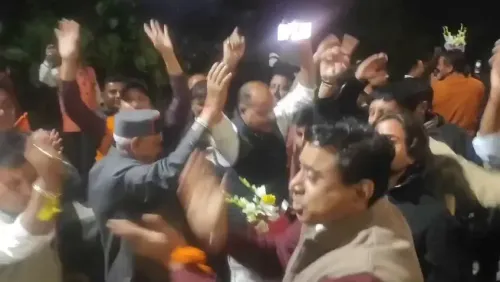
A hard-fought claim over decades of pending dues finally moved in Himachal Pradesh's favour — and on the evening of Thursday, 19 November 2026, the Chief Minister's Office of Himachal Pradesh shared that joy publicly, as supporters from the Baijnath Assembly constituency gathered at Tapovan, Dharamshala to celebrate the state's win in the long-running BBMB arrears dispute.
The post, written in Hindi, captures the warmth of the occasion: 'BBMB एरियर मामले में हिमाचल के हक की जीत की खुशी अपनों के बीच बाँटने का अपना ही आनंद है' — 'There is a special joy in sharing the happiness of Himachal's rightful victory in the BBMB arrears matter with one's own people.' The Chief Minister noted that the enthusiastic welcome extended by the brothers and sisters from Baijnath would remain in memory forever.
What the BBMB Dispute Is Actually About
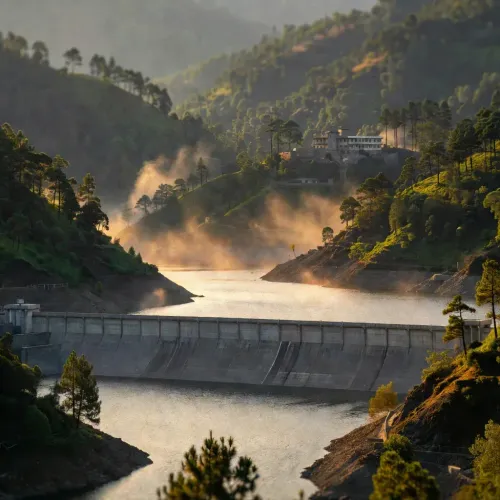
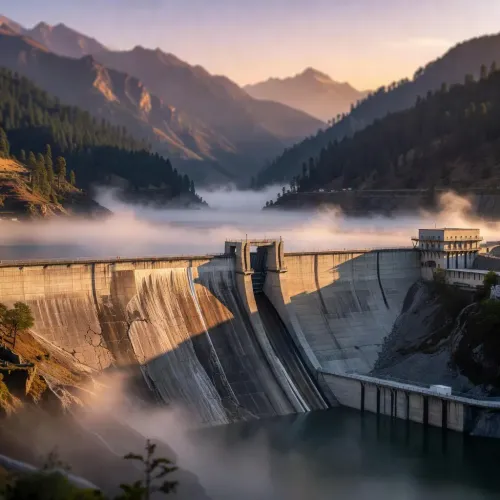
The Bhakra Beas Management Board (BBMB), constituted in 1976 under the Punjab Reorganisation Act, governs the shared operation of the Bhakra-Nangal and Beas river projects — producing power and irrigation water for Punjab, Haryana, Rajasthan, and Himachal Pradesh. A large part of this infrastructure sits within Himachal's own territory, yet the state has historically received only a 7.19% share of the power generated.
Himachal has periodically approached courts and the central government seeking revision of that share and the disbursement of pending arrears from BBMB operations. The state's argument is straightforward: the land, the rivers, the ecological cost — all borne by Himachal, while the bulk of the benefit flows downstream. The arrears dispute represents years of claimed underpayment that the state has pursued through legal and administrative channels.
Baijnath and Tapovan: Why These Locations Matter
Baijnath is an Assembly constituency in Kangra district, one of the most populous districts in Himachal Pradesh. Dharamshala, where the Tapovan gathering took place, serves as the state's winter capital and is the administrative and political hub of Kangra. The choice of venue — and the turnout from a specific constituency — signals that the BBMB victory is being read on the ground not just as a legal or financial win, but as a political and emotional one for ordinary Himachalis whose livelihoods are intertwined with the state's power revenues.
A Federalism Battle With Unfinished Business
Inter-state river and hydropower disputes are a recurring fault line in Indian federalism, particularly across the northern plains. For Himachal, the BBMB question is emblematic of a wider tension: the state generates a disproportionate share of the region's hydropower but retains relatively modest revenues compared to the downstream beneficiaries. Any movement on arrears disbursement is therefore watched closely by state power utilities and residents alike.
The specific details of the ruling or settlement referenced in the post — the exact amount, the tribunal or court involved, the timeline for disbursement — remain to be formally confirmed through official government orders. What is clear is that the state government is treating the development as a significant milestone and is actively communicating it to the public at the constituency level.
Himachal's decades-long pursuit of its rightful BBMB dues may finally be inching toward resolution — the real test now is whether the disbursement follows the declaration.
Point of View
The Chief Minister's Office is packaging a complex inter-state federal dispute as a grassroots victory. The unresolved question of actual disbursement, however, means the arc of this story is far from complete — and opposition parties will watch the follow-through closely. For the broader pattern of Indian federalism, any tangible shift in BBMB revenue flows to Himachal could set a precedent for other hill states with similar upstream-downstream grievances.
NationPress
19 Nov 2026
Frequently Asked Questions
What is the BBMB arrears dispute with Himachal Pradesh?
The BBMB arrears dispute refers to Himachal Pradesh's longstanding claim for pending dues and a revised share of power revenues from the Bhakra Beas Management Board, which manages major hydropower and irrigation projects partly located within Himachal's territory. The state has historically received only a 7.19% power share and has pursued arrears through legal and administrative channels.
What is the Bhakra Beas Management Board (BBMB)?
The Bhakra Beas Management Board is a statutory body constituted in 1976 under the Punjab Reorganisation Act to manage the Bhakra-Nangal and Beas river projects, distributing power and water among Punjab, Haryana, Rajasthan, and Himachal Pradesh.
Where did the BBMB victory celebration take place in Himachal Pradesh?
The celebration took place at Tapovan in Dharamshala, the winter capital of Himachal Pradesh, on the evening of 19 November 2026, with supporters from the Baijnath Assembly constituency in Kangra district in attendance.
What is Himachal Pradesh's share of power from BBMB projects?
Himachal Pradesh has historically received a 7.19% share of power generated from BBMB projects, a figure the state has long argued is inadequate given that large parts of the infrastructure lie within its territory.
What happens next in the BBMB arrears case for Himachal Pradesh?
The key next steps involve official government orders confirming the exact arrears amount, the timeline for disbursement, and any central government mediation or tribunal proceedings on revising Himachal's overall power share from BBMB operations.